What You Should Know Before Getting a Beauceron Dog
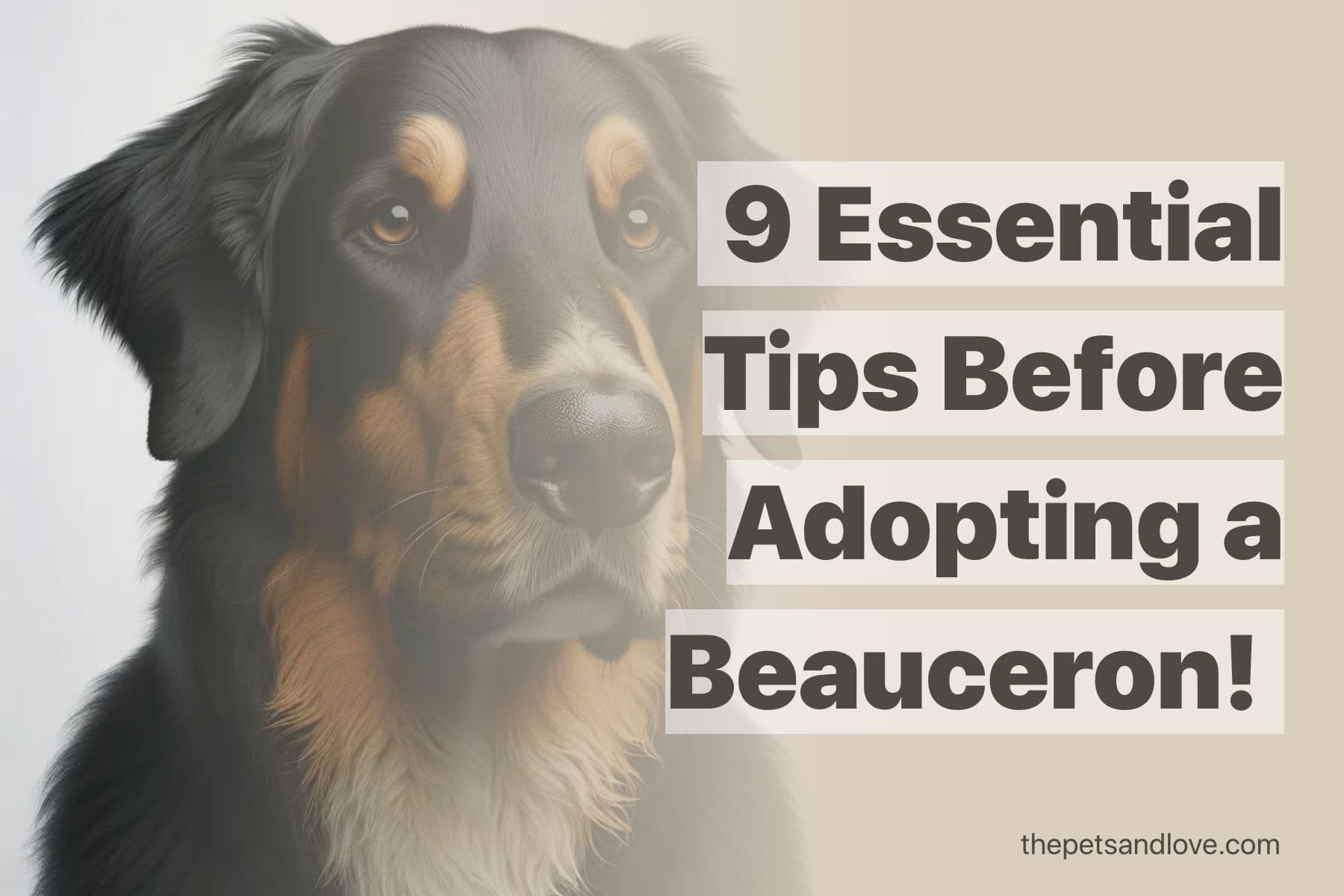
Thinking about bringing home a Beauceron? You already sense they're something special — that striking build, that sharp intelligence, that unmistakable "I mean business" presence.
Here's the honest truth: they're one of the most rewarding dogs you can own — and one of the easiest to get wrong.
This guide walks you through the 9 things every future Beauceron owner needs to know before saying yes. Let's make sure you're the right match.
| Category | Rating |
|---|---|
| Energy level | |
| Trainability | |
| Loyalty | |
| Good with young kids | |
| Grooming effort |
First, let's clear up the biggest misconception people have about this breed.
1. This Is a True Working Dog — Not a Couch Potato
Beaucerons were bred to herd and guard. Those instincts didn't fade with time — they're still very much switched on.
These dogs are always "on." Scanning the room. Watching the yard. Ready to protect their people at a moment's notice.
It's part of their charm. But here's the catch:
Without a purpose, they'll invent one. And their idea of a job usually looks a lot like mischief.
2. Smart as a Whip… and Just as Sharp
This breed is brilliant. They learn fast, and they read you fast — including your inconsistencies.
That's a double-edged sword.
If you're not consistent with training and boundaries, they'll test the limits. A bored Beauceron will happily master an advanced trick, then "forget" how to sit.
“A Beauceron doesn't just learn commands — it learns you.”
That intelligence comes bundled with something even more powerful.
3. Loyalty Runs Deep
Beaucerons bond hard. They'll follow you room to room, chore to chore, and consider you their entire world.
That devotion has a flip side: they're naturally wary of strangers.
Not aggressive — cautious. They want to size up a situation before they trust it.
So what does this mean for you? Early, positive exposure to new people and places teaches them to read situations calmly instead of reacting on instinct. Which brings us to the single most important thing on this list.
4. Socialization Isn't Optional
I can't stress this enough: early socialization makes or breaks a Beauceron.
While they're young, introduce them to as many safe, controlled experiences as possible.
- Strangers in hats, umbrellas, and different clothing
- Kids on bikes and scooters
- Other calm, friendly dogs
- Loud noises — traffic, vacuums, thunder
- Skipping socialization because your puppy "seems fine"
- Forcing scary encounters all at once
Done well, this prevents fear-based reactions and creates a confident, adaptable adult dog.
5. They Need Serious Exercise — Every Single Day
A quick walk around the block won't cut it. Not even close.
Think long hikes, runs, agility, and advanced obedience work.
Got a farm or a big active household? Perfect. No acreage? You'll need to get creative.
Scent work
Hide treats around the house or yard and let them sniff it out. Tires the brain fast.
Fetch with rules
Add sits, waits, and directional cues to turn a game into training.
Structured playdates
Regular time with well-matched dogs burns energy and reinforces social skills.
Agility or flyball
Channels their drive into a real job with a payoff they love.
“A bored Beauceron is a destructive Beauceron.”
6. Grooming Is Manageable — but Not Zero-Effort
Their double coat is weather-resistant and sheds seasonally.
Most of the year, weekly brushing does the trick. During shedding season, though? Brush more often — unless you want your living room upholstered in fur.
Now for the part responsible owners plan ahead for.
7. Health-Wise, There Are a Few Things to Watch For
Like many large breeds, Beaucerons can be prone to a handful of issues.
Hip dysplasia
Common in big, athletic breeds. Steady exercise and healthy weight help protect the joints.
Bloat
A serious emergency in deep-chested dogs. Learn the warning signs and avoid heavy exercise right after meals.
Heart & eye issues
Some lines can develop these. Reputable breeders screen for them.
Allergies
Skin and food sensitivities show up in some dogs. A quality diet helps.
What this means in practice: choose a breeder who health-tests their dogs, keep up with regular vet visits, and feed a high-quality diet paired with consistent exercise.
8. Not Always the Best Fit for Families With Small Kids
Let's be clear: it's not about aggression. It's about physics.
Beaucerons are big, powerful, and enthusiastic. A playful young one can knock over a toddler without meaning any harm.
Toddlers
With careSupervise every interaction; their size alone is a factor.
Older kids
GreatKids who understand boundaries make excellent companions.
Active adults
IdealThe perfect match for someone who loves structure and activity.
Strangers
WaryNaturally cautious — socialization smooths this out.
If you've got little ones, the rule is simple: supervise, and teach everyone how to interact respectfully with the dog.
9. They're Incredibly Versatile
Here's where the Beauceron truly shines.
Obedience, agility, protection work, tracking — they can do it all. They thrive with a job and love working alongside their humans.
If you're after a partner for advanced training or dog sports, few breeds deliver like this one.
Wondering how the first year with a Beauceron actually unfolds?
What the First Year Looks Like
Weeks 8–12
Settling in
Focus on house training, a calm routine, and gentle first introductions to the world.
3–6 months
Socialization sprint
Prime window for safe exposure to people, dogs, and noises. Teething means chew-proofing your home.
6–12 months
Adolescent boundary-testing
Energy peaks and they push limits. Stay consistent — this is where structure pays off.
12+ months
Maturing partner
With training and outlets in place, their brilliance and loyalty really come together.
They’re protective and cautious with strangers, not aggressive. Good socialization produces a confident, level-headed dog.
A yard alone bores them. They need structured activity and mental work, not just space to wander.
Smart dogs are quick to learn — and quick to exploit inconsistency. Their intelligence demands more from you, not less.
Frequently Asked Questions
Generally, no. Their energy, intelligence, and need for consistent training make them better suited to experienced owners or very committed first-timers willing to put in the work.
Not long, especially as puppies. They bond closely and can get anxious or destructive when under-stimulated. A few hours is fine once mature — but daily exercise and company matter.
They’re alert and will bark to warn you of something new, but they’re not typically nuisance barkers. Training and socialization keep the alarm-barking in check.
They can be gentle and devoted, especially with older kids who understand boundaries. With toddlers, their size and enthusiasm mean interactions should always be supervised.
With early socialization, yes. Their herding instinct can make them nudge or chase smaller animals, so introductions should be calm and controlled.
Meeting their exercise and mental-stimulation needs every single day. This breed doesn’t do halfway — skip the effort and behavior problems follow.
Most mature mentally around 2–3 years old. Adolescence can feel intense, but consistent training and outlets smooth the ride.