Discover 9 Interesting Facts About the Irish Wolfhound
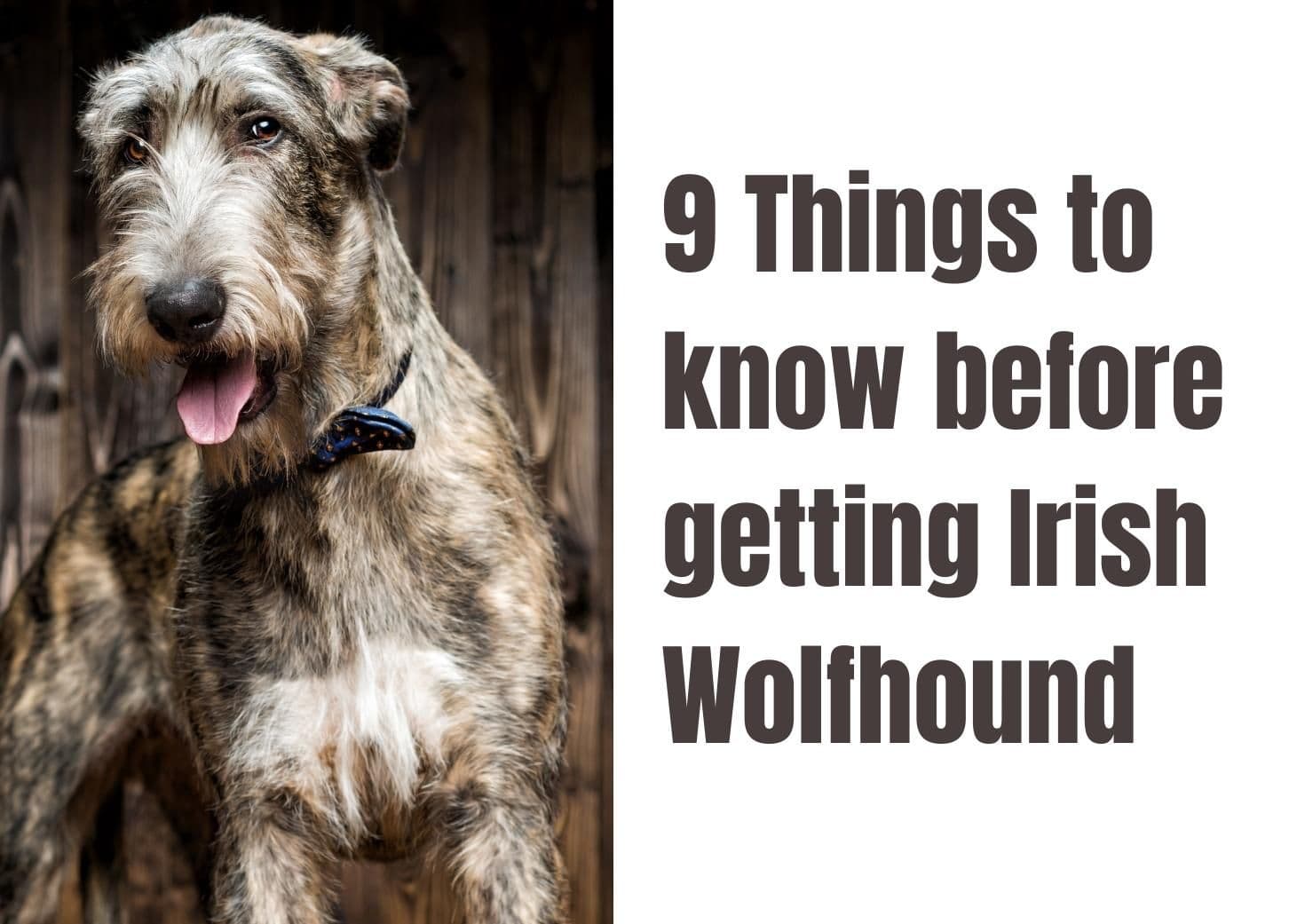
Thinking about getting an Irish Wolfhound? Let's talk about what it's really like to share your home with one of these gentle giants.
From their record-breaking size to their surprisingly soft nature, Irish Wolfhounds are a one-of-a-kind breed.
They're not for everyone. But if they're the right fit for you? Unforgettable.
Here's what you need to know before you fall in love.
First Things First: They're Huge
Irish Wolfhounds aren't just big. They're the tallest dog breed in the world.
On all fours, they stand around 32 to 35 inches at the shoulder. Rear up on their hind legs, and they can tower over most grown adults.
32–35"
Height at the shoulder
100+ lbs
Typical adult weight
#1
Tallest dog breed on Earth
Here's the surprise: they're not the heaviest breed out there. Mastiffs take that crown.
But don't be fooled. These dogs still tip past 100 pounds with ease, and they need room to stretch out and move comfortably.
Big body, but wait until you meet the personality...
But Their Size Doesn't Match Their Personality
People see a dog this size and expect a tough, intimidating powerhouse.
The truth? Irish Wolfhounds are total sweethearts.
“Think 'gentle giant,' and you're exactly on the right track.”
They're affectionate, calm, and remarkably easygoing with kids and other pets — yes, even cats, if they're raised together.
That said, they are sighthounds. That means a strong prey drive is baked in.
So what does this mean for you? Always supervise them around smaller animals, and keep them leashed outdoors where a sudden dash could turn dangerous.
Young kids
GreatGentle and patient, but supervise — a happy bump from 100+ lbs can knock a toddler over.
Other dogs
GoodUsually friendly and social, especially with early exposure.
Cats
It dependsFine if raised together; the prey drive makes new cats risky.
Small pets
CautionRabbits and rodents can trigger the sighthound chase instinct.
Sweet nature aside, one thing is non-negotiable...
Social and Friendly — But Still Need Guidance
Irish Wolfhounds aren't naturally suspicious or snappy. Around new people and dogs, they're usually easygoing — especially when socialized young.
But here's the thing: their sheer strength makes training essential, not optional.
It's one thing for a 25-pound dog to jump up on a guest. It's another thing entirely when it's 140 pounds.
You'd expect a marathon runner. You'd be wrong.
They Don't Need as Much Exercise as You'd Think
Given their athletic sighthound heritage, you might picture a dog that needs miles of running every day.
Not so. Irish Wolfhounds are actually pretty chill.
A solid hour of walking or light play each day is usually plenty. A fenced yard is a nice bonus — but it's no substitute for those daily walks.
Not a Watchdog — and That's a Good Thing
They look imposing. No argument there.
But Irish Wolfhounds make lousy guard dogs. They're far more likely to greet a stranger than chase one off.
Pros
Great if you want...
- A calm, quiet companion
- A dog that rarely barks at every passing leaf
- A friendly face at the door
Cons
Not great if you want...
- A security or protection dog
- A vigilant alarm system
- A deterrent for intruders
In short: if you want peace and quiet, you're in luck. If you want a bodyguard, look elsewhere.
Now for the hard part every owner should know upfront.
Health: Big Dogs, Short Lives
This is the heartbreaking side of the breed.
Irish Wolfhounds don't live long. On average, they reach about 6 to 8 years — a sad but common reality among giant breeds.
6–8 yrs
Average lifespan
They're also prone to some serious conditions. Knowing them in advance helps you catch trouble early.
Hip & elbow dysplasia
Joint issues common in large, fast-growing breeds. Watch for stiffness or reluctance to move.
Heart conditions
Giant breeds are prone to cardiac problems, so regular heart checks matter.
Bloat
A life-threatening twisting of the stomach. Learn the signs — it's a true emergency.
Certain cancers
Sadly more common in the breed. Routine vet visits help with early detection.
Grooming: Not Demanding, but Don't Slack
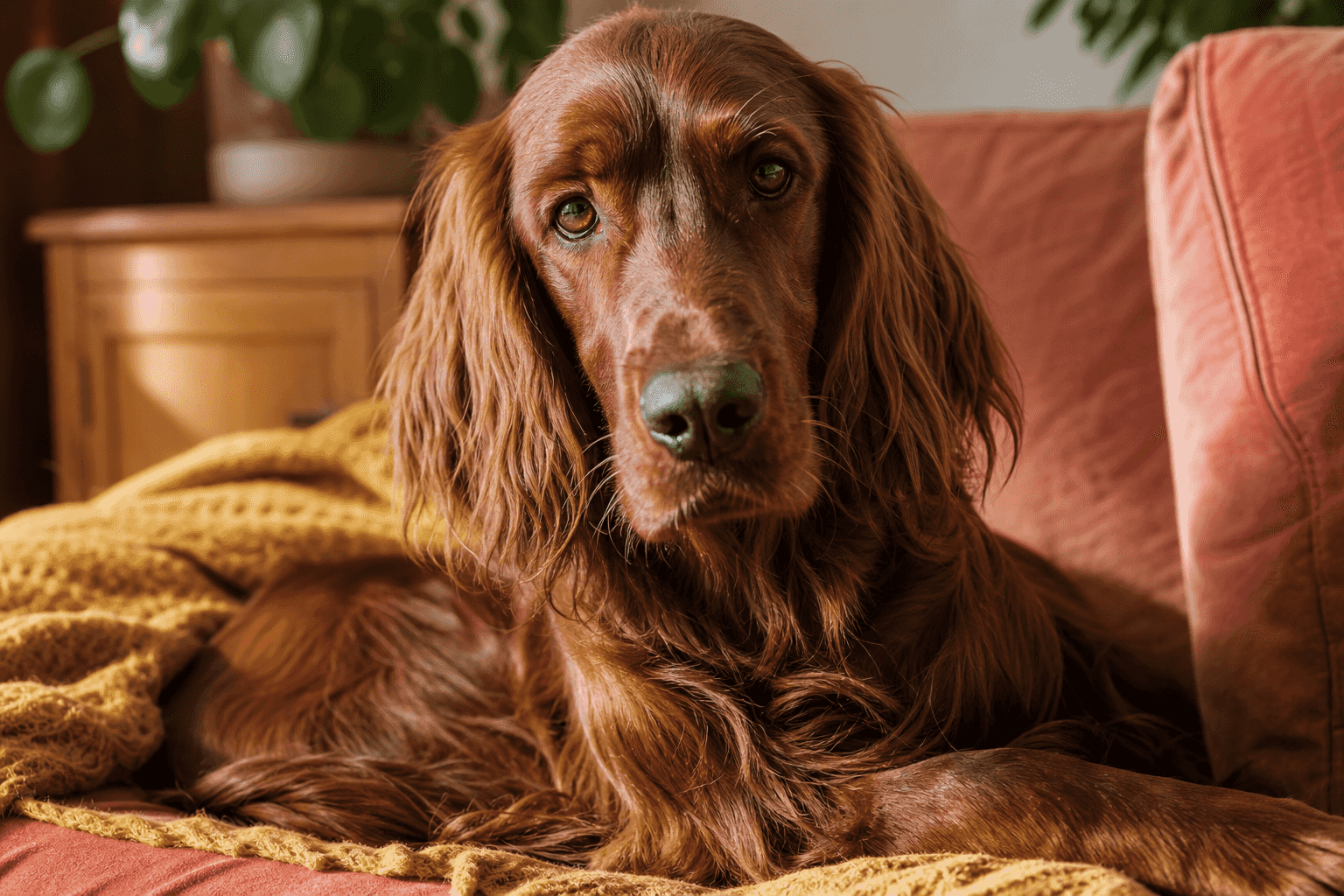
Irish Wolfhounds have a wiry, medium-length coat that sheds moderately.
It's not overwhelming. But remember — everything scales up with a dog this big.
A thorough brushing a few times a week keeps things under control. Better yet, make it a bonding moment.
“Ours actually love the attention once they get used to it.”
Not Ideal for First-Time Dog Owners
Gentle and sweet as they are, Irish Wolfhounds aren't a beginner's breed.
Their size and needs make them better suited to experienced dog people.
- Confident and consistent with training
- Prepared for big-dog vet bills
- Able to manage a 100+ lb dog in public
- Have the space they need to thrive
- Expecting a low-cost, low-effort first dog
- Looking for a guard dog
They're not high-maintenance in the usual sense. But you do need to know what you're doing.
Frequently Asked Questions
Yes — they're famously gentle and patient with kids. Just supervise playtime, since a friendly bump from a 100+ lb dog can easily knock over a small child.
Not really. They're calm and quiet by nature, which is part of what makes them poor watchdogs but wonderful household companions.
On average about 6 to 8 years. Their short lifespan is one of the hardest parts of loving the breed, and it's common among giant dogs.
Generally no. Their size, strength, training needs, and vet costs make them better suited to experienced dog owners.
They can, especially if raised together from a young age. But their sighthound prey drive means new or unfamiliar small animals can be a risk.
Less than you'd expect. About an hour of walking or light play per day is usually enough. They're sprinters, not endurance runners, so they don't make good jogging partners.
No. They're gentle giants — affectionate and easygoing. Proper socialization and training are still essential simply because of their size.