7 types of people who should own a Broholmer
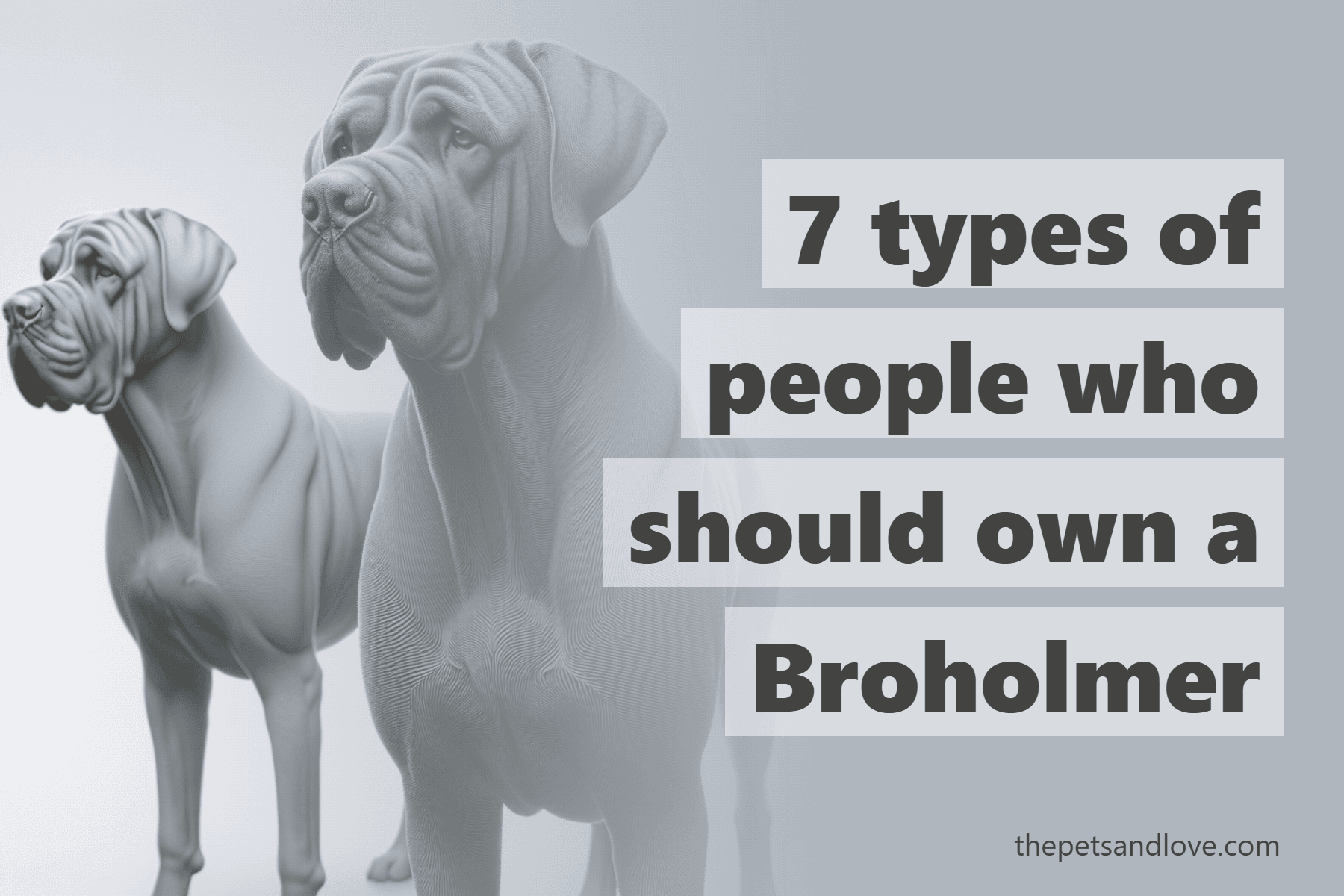
You want a dog that's calm indoors, gentle with your family, and steady enough to make a stranger think twice at the door. The Broholmer can be exactly that — if you're the right person for one.
These Danish gentle giants were bred to guard estates. But behind the size and the watchful stare is a soft, deeply loyal companion.
Here's the honest truth: they're not for everyone. So let's figure out whether you're one of the seven types of people who genuinely thrive with this breed.
1. You Have a Family — And You'll Supervise
Broholmers are patient, calm, and genuinely fond of kids. That's the good news.
But here's the catch: a 150-pound dog doesn't need bad intentions to knock a toddler over. Their size alone means playtime with little ones always needs supervision.
The bond can be beautiful — but it's built on mutual respect. Teach kids the rules early: no ear-pulling, no tail-yanking, no climbing.
Older kids
GreatCalm, tolerant, and loyal companions once boundaries are set.
Toddlers
With careSheer size means constant supervision during play.
Strangers
WaryNaturally watchful — early socialization is essential.
Other pets
With introsDo best when socialized young and introduced slowly.
Speaking of strangers — this is where the breed really earns its reputation.
2. You Want a Natural Guardian
If you're after a dog with real protective instincts, the Broholmer delivers.
They're territorial and alert — but not in a hyper, snappy way. It's a steady, watchful presence. They'll bark to announce a visitor, and honestly, their sheer size does most of the talking.
“Their presence alone is often enough to make a stranger think twice.”
Now, here's the part too many owners skip: socialization.
A Broholmer needs to learn the difference between a guest and a genuine threat. Without early, positive exposure to new people and places, that natural caution can curdle into suspicion of everyone.
3. You Want Moderate Exercise — Not a Marathon Partner
Good news for busy people: these dogs aren't bouncing off the walls.
A solid daily walk plus some yard time usually keeps them content. They love a good sniff around the block far more than an hour of relentless fetch.
But there's an important catch — and it's about their joints.
What this means in practice: keep young Broholmers to gentle walks and free play on soft ground. The patience you show now pays off in healthy hips later.
Now, here's the trait that surprises a lot of first-time owners.
4. You're Home a Lot (This One Matters)
Broholmers thrive on connection. This is a follow-you-from-room-to-room, happiest-when-you're-near kind of dog.
So if you're gone ten hours a day? This probably isn't your breed.
Loneliness in a Broholmer tends to show up as chewing, digging, or barking — the classic signs of separation stress.
- Someone home for most of the day
- Access to doggy daycare or a dog walker
- Puzzle toys and mental stimulation while you’re out
- Leaving them alone 8+ hours daily
- Expecting a giant guardian to “just deal with it”
If you do work outside the home, plan ahead: daycare, a midday walker, and plenty of enrichment can bridge the gap.
5. You Have Space to Spare
These dogs were built to patrol estates, so it's no shock they're happiest with room to roam.
A larger home with a fenced yard suits them best. Apartment life can work — but only if you're fiercely committed to daily outdoor time.
Just remember: a big yard is a bonus, not a babysitter. Even with acres to patrol, a Broholmer still craves your company above all.
Pros
Ideal home
- House with a fenced yard
- Room to stretch out and patrol
- People around most of the day
- Committed to daily walks regardless of space
Cons
Tougher fit
- Small apartment with limited outdoor access
- Long stretches alone
- No secure yard for a giant, watchful dog
Here's where honesty matters most — this breed isn't for beginners.
6. You've Owned Dogs Before
Broholmers are smart. They can also be a little stubborn.
They respond best to calm, confident leadership and consistent routines — not shouting, and definitely not wishy-washy rules that change day to day.
How to lead a Broholmer
- Be consistentSame rules, every day, from every family member.
- Stay calm and confidentThey read your energy — steady beats loud.
- Reward what you wantPositive reinforcement builds trust and cooperation.
- Get help earlyIf you’re new to large breeds, hire a trainer in the first weeks.
If this is your first dog — and especially your first giant breed — go in with support. A good trainer early on can make the difference between a smooth partnership and a frustrating one.
7. You Want Low-Maintenance Grooming
Here's a pleasant surprise for a dog this size: the coat is genuinely easy.
Short, dense fur means a weekly brush covers most of it. During spring and fall shedding season, bump that up to a few times a week.
No fancy trims, no professional styling. But don't skip the basics.
Weekly brushing
Keeps the short coat clean and knocks loose hair out before it hits your floors.
Nail trims
Overgrown nails hurt a heavy dog’s posture — trim regularly.
Ear cleaning
Check and gently clean ears to head off infections.
Dental care
Brush those teeth — dental health matters for the whole body.
Let's clear up a few myths people believe about this breed.
Broholmer Myths, Busted
Broholmers are watchful, not vicious. Their guarding is steady and calm — and proper socialization keeps it that way.
They’re moderate-energy. A daily walk and yard time is plenty — and hard exercise before 18 months can actually harm their joints.
The opposite. Broholmers are deeply attached and prone to separation stress if left for long hours.
Quick poll
Which Broholmer trait fits your life best?
Frequently Asked Questions
Not usually. They’re intelligent but can be stubborn, and their size demands confident, consistent leadership. If it’s your first dog — especially your first large breed — work with a trainer from the start.
Not long. They form strong bonds and can develop separation stress with hours of isolation. If you work full days, plan for daycare, a walker, and plenty of enrichment.
They bark with purpose — to alert you to visitors or something unusual — rather than yapping constantly. Their presence often does the work before barking is even needed.
Yes, they’re calm and patient with kids. But at up to 150 lbs, playtime with small children always needs supervision, and kids must learn to respect the dog’s space.
They can be, especially when socialized young and introduced slowly. Early, positive exposure to other animals sets the tone for life.
No. Their short, dense coat only needs a weekly brush — more during spring and fall shedding. Just keep up with nails, ears, and teeth.
Wait until they’re fully grown, usually around 18 months, before high-impact activities like running or jumping. Until then, stick to gentle walks to protect their developing joints.