7 things to know before getting a Samoyed
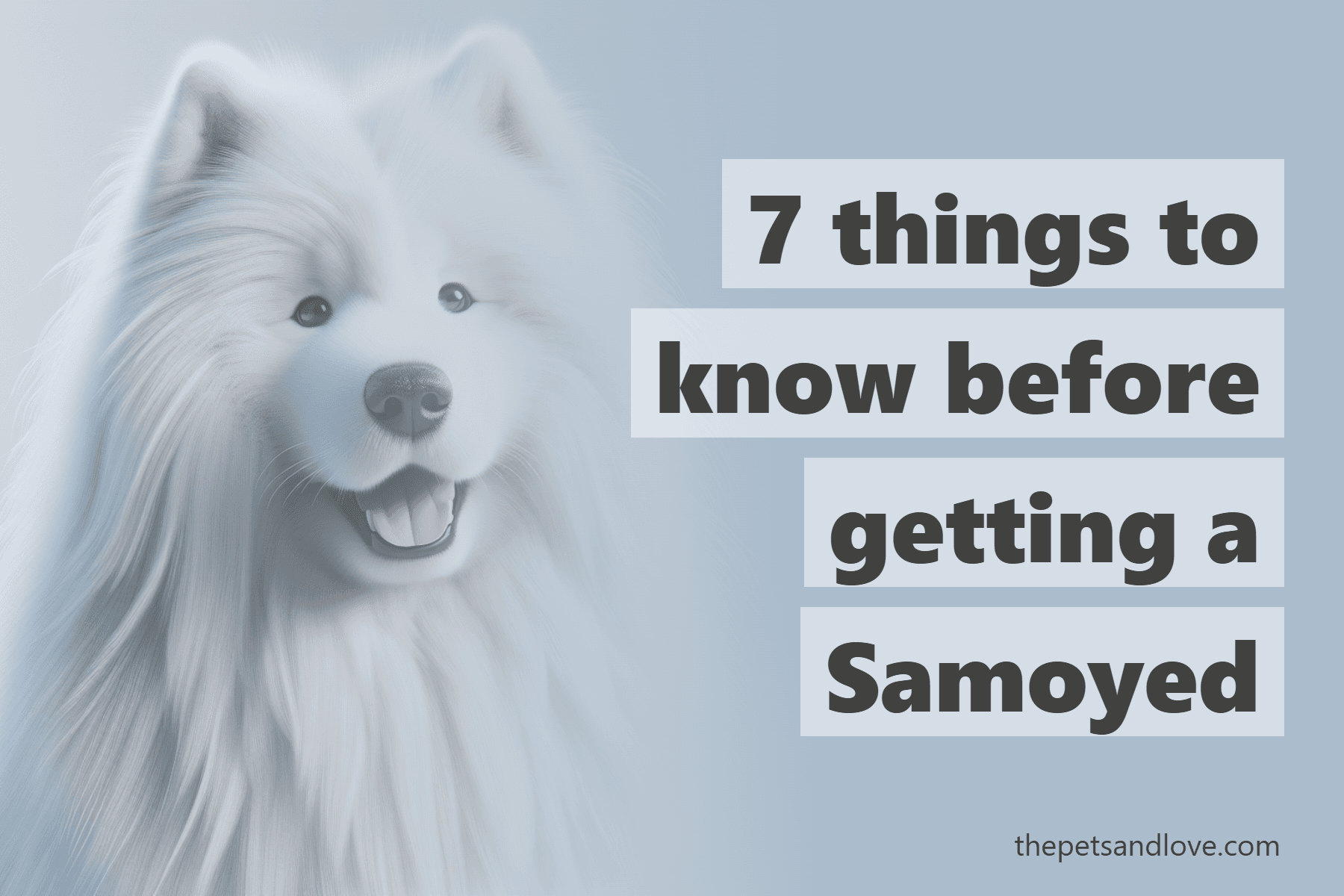
That fluffy white cloud with the built-in smile? It might be the most photogenic dog on the planet. But before you fall for the "Sammy smile," let's talk about what actually lives behind it.
Samoyeds are stunning, sweet, and endlessly loyal — and they're also demanding, vocal, and covered in a coat that sheds like it's snowing indoors.
Here's the deal: a Samoyed can be the best dog you've ever had, or a source of constant frustration. It all comes down to whether your lifestyle matches theirs.
Below are 7 things every first-time owner should know before bringing one home — plus the honest answers to the questions people usually don't ask until it's too late.
“A bored Samoyed isn't a lazy dog — it's a very busy dog, and you won't like what it decides to do.”
1. They're Smart — Really Smart
Samoyeds were bred to herd reindeer and pull sleds across brutal Siberian terrain. That job demanded brains, not just brawn.
At home, that intelligence shows up as curiosity, quick learning, and impressive problem-solving. Teach them tricks, games, even little "chores," and they'll soak it up fast.
But here's the catch:
A bored Sammy becomes a destructive Sammy. Think chewed furniture, howling concerts, and freshly excavated craters in your backyard.
What this means in practice: daily mental engagement isn't a nice-to-have — it's the price of admission. Puzzle toys, short training sessions, and real interaction are all part of the deal.
All those brains come with a bit of attitude. Let's talk training.
2. Training Takes Patience (and Treats)
Here's something people get wrong: Samoyeds aren't disobedient. They're independent.
Sometimes they simply decide your request isn't the most exciting thing on offer. That's the sled-dog independence talking.
So what works? Positive reinforcement, every time.
Start early. Socialization and training in the first few months shape the well-mannered adult you'll live with for the next decade.
- Use positive reinforcement with treats and praise
- Keep training sessions short and upbeat
- Socialize early with people, dogs, and new places
- Rely on punishment or force to fix stubbornness
- Skip training because "he seems smart enough"
Now for the part most people underestimate — the coat.
3. Grooming Is a Serious Commitment
That gorgeous white coat is the whole reason many people want a Samoyed. It's also the reason many people regret it.
We're talking 20–30 minutes of brushing every day, plus deeper grooming sessions a few times a week.
And one brush won't cut it. You'll need a proper toolkit.
Undercoat rake
Reaches down into the dense underlayer to pull loose fluff before it mats.
Slicker brush
Smooths the outer coat and catches surface shedding day to day.
Metal comb
Finds and works out tangles behind ears, on legs, and around the collar.
A strong vacuum
Not optional. Consider it a required piece of Samoyed equipment.
Now, here's the reality no photo prepares you for:
Samoyeds shed year-round and "blow" their entire coat seasonally. When that happens, it genuinely looks like a snowstorm hit your living room.
White tumbleweeds. On the floor, the couch, your black work pants. Everywhere.
The upside of all that maintenance? An unbelievably affectionate dog.
4. They're Super Social and Affectionate
Samoyeds were bred to live inside tight-knit nomadic families — often sleeping alongside their people for warmth. That need for connection is baked in.
Translation: they want to be with you. All the time.
They're wonderful with kids, love being in the middle of the action, and thrive on companionship.
But here's the flip side you can't ignore:
They do not handle long stretches of alone time well. Leave a Samoyed isolated for hours on end and you'll likely come home to anxiety, noise, and chaos.
Young kids
GreatGentle, playful, and patient with proper supervision.
Other dogs
GreatNaturally social pack animals that usually enjoy company.
Strangers
FriendlyExpect a wag and a smile — not a guard dog.
Being left alone
PoorProne to boredom and separation stress if left too long.
What this means in practice: if your household is empty 10 hours a day, plan for daycare, a dog walker, or a second pet — or reconsider the breed entirely.
And no, that fluffy face doesn't mean they're built for the couch.
5. They're Not Just Pretty — They're Working Dogs
People fall for the looks and forget the resume: this is a hard-working, high-energy breed.
A quick stroll around the block will not satisfy a Samoyed.
They need real exercise — long walks, hikes, play sessions, and space to actually run.
The daily exercise minimum
- Two solid outings a dayMorning and evening, each with real movement — not just a bathroom break.
- Add mental work on topTraining games and puzzles count toward tiring them out.
- Give them room to run when possibleA secure yard, dog park, or open trail helps burn the extra energy.
Active person or outdoorsy family? They'll fit right in and become the best trail buddy you've ever had.
More of a couch-and-Netflix household? Think hard — this energy has to go somewhere.
Quick poll
How active is your typical week?
Fair warning: they also have a lot to say.
6. They Have Opinions — and They'll Tell You
Samoyeds are talkers. They don't just bark — they grumble, yodel, "woo," and sass their way through the day.
Honestly, it's one of the most charming things about the breed. It also gets loud.
If you live in an apartment or have sound-sensitive neighbors, this is worth thinking about before you commit.
They’re gentle in temperament but far from quiet. Expect an ongoing running commentary on your daily life.
Training helps manage excessive barking, but "talking" is part of who they are. You can shape it, not erase it.
Now let's talk about their health — and your wallet.
7. Generally Healthy — But Vet Bills Add Up
As an ancient, purebred dog, the Samoyed is generally robust — especially when bred responsibly.
Still, they're not immune to trouble. A few things to keep on your radar:
- Hip dysplasia — a joint issue seen in many larger breeds.
- Skin problems — more likely if grooming gets neglected.
- Eye disorders — worth monitoring throughout their life.
The good news? Routine vet care, a quality diet, and regular exercise go a long way toward keeping a Samoyed healthy for years.
Can you guess?
What's the real long-term cost of a fluffy coat like this?
So let's put it all together.
So, Is a Samoyed Right for You?
Here's the honest gut check. A Samoyed will bring you endless joy if the profile below sounds like your life.
Pros
You'll love a Samoyed if you…
- Enjoy being active outdoors
- Don’t mind daily grooming (and fur everywhere)
- Want a dog that’s part of the family, not just a pet
- Can commit real time daily to training and play
- Appreciate a dog with a "voice" and big personality
Cons
Reconsider if you…
- Want a truly low-maintenance dog
- Need a quiet, rarely-barking companion
- Are gone from home most of the day
- Prefer a short walk and a long nap
- Can’t stand fur on your clothes and furniture
Getting ready? Focus on these first
- Invest in grooming tools early (and a stronger vacuum)
- Learn how to train stubborn-but-sweet dogs with positive methods
- Puppy-proof your home — they’re curious and will explore everything
- Build daily exercise and bonding time into your routine
- Find a responsible breeder or rescue who guides you through it
Frequently Asked Questions
They can be, but only if you’re prepared for the workload. Their friendly nature is beginner-friendly, but the daily grooming, high exercise needs, and independent streak make them more demanding than the average first dog. Go in with realistic expectations.
Not long. A few hours is usually the practical limit for an adult. Samoyeds crave companionship and can develop boredom and separation stress if left isolated all day. Daycare, a walker, or a companion pet helps if you work long hours.
Yes — they’re a genuinely vocal breed. Beyond barking, they grumble, "woo," and yodel throughout the day. Training can manage excessive noise, but expect an ongoing running commentary as part of the package.
Very. They’re gentle, playful, and patient, and they love being part of a busy family. As always, supervise interactions between dogs and young kids and teach both sides to be respectful.
Generally yes with other dogs, since they’re naturally social pack animals. With cats and small pets, early socialization matters — their herding instincts can kick in, so gradual, supervised introductions are best.
For most owners, it’s a tie between the relentless shedding and the daily grooming. The seasonal coat "blow" catches new owners off guard. The vocal nature and high exercise needs come in a close second.
Expect high energy and boundary-testing through adolescence, roughly up to 18 months to 2 years. Many settle into a calmer rhythm around age two — though a Samoyed never becomes a true couch potato.
With care. Their double coat insulates against heat as well as cold, so never shave it. Provide shade, fresh water, and exercise during cooler parts of the day, and watch closely for signs of overheating.
“Match your lifestyle to the breed, not the other way around — and a Samoyed will be the best decision you ever make.”