What You Should Know Before Adopting a Dogo Argentino Puppy
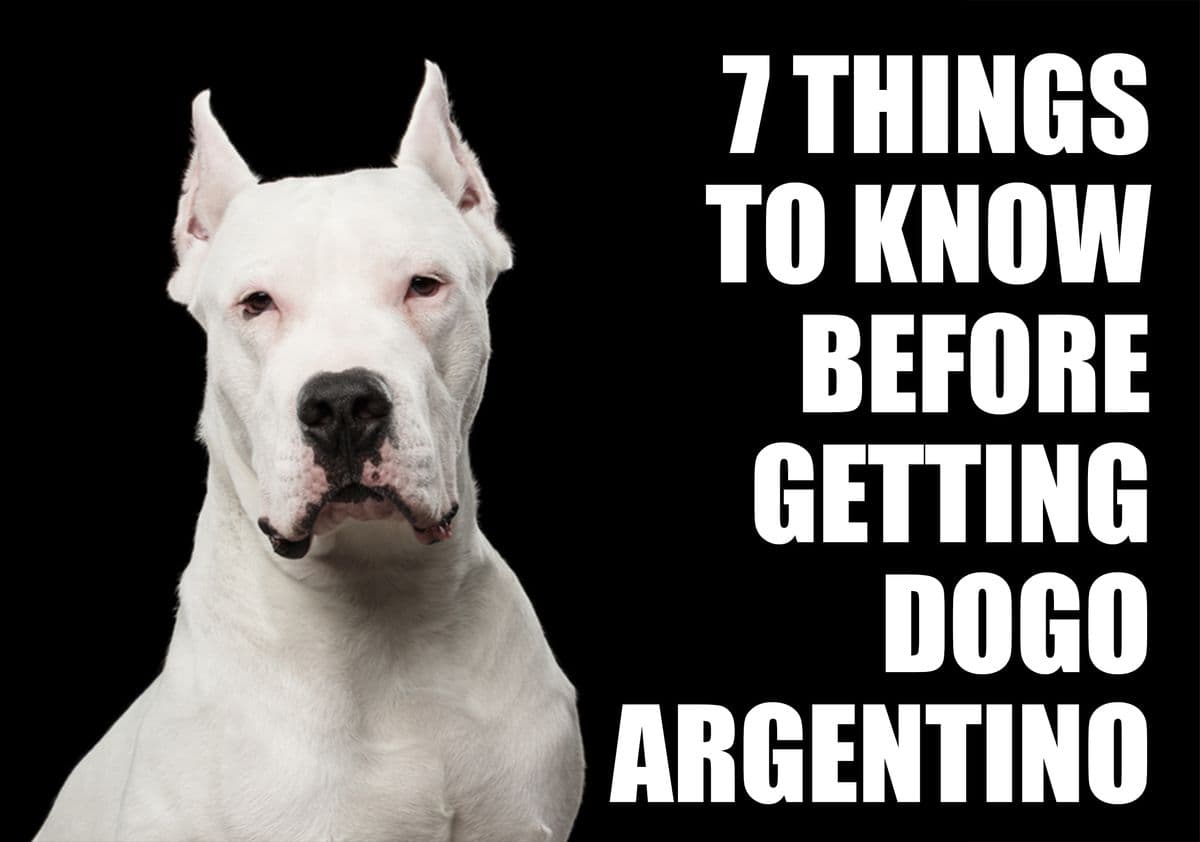
Thinking about bringing a Dogo Argentino into your life? You’re in for a ride — a fun, energetic, and fiercely loyal one.
These dogs are a powerhouse of strength, smarts, and affection. But here’s the honest truth: they’re not for everyone.
We’ve spent plenty of time around high-energy working breeds (hello, Rhodesian Ridgebacks!), and the Dogo Argentino is cut from a similar cloth — just with its own flair.
So before you fall for that muscular white beauty, let’s walk through exactly what you need to know.
Dogo Argentinos Are Social Butterflies — If You Raise Them Right
Don’t let the tough, athletic look fool you. Dogo Argentinos are friendly dogs that genuinely love being around their people.
They were bred to work closely alongside humans — originally as big-game hunting dogs — so companionship is baked into their DNA. They want to be part of your daily life, not left alone in the yard.
But here’s the catch: their protective instincts run deep.
That’s exactly why early socialization is non-negotiable with this breed. Introduce them to different people, places, dogs, and situations from puppyhood onward.
It doesn’t need to be complicated — just consistent. Walks where they meet friendly strangers, puppy playdates, trips to new environments. Trust us, it makes all the difference.
A social dog is great — but a bored one is a whole different story.
They’re Smart — and You’ll Need to Keep Up
The Dogo Argentino isn’t just muscle. These dogs are sharp, quick to learn, and they thrive on a challenge.
They’ve worked as hunting dogs, police K9s, and even service animals. That kind of versatility only comes from real intelligence and a genuine willingness to work.
Now, here’s where it gets interesting: smart dogs get bored fast.
And a bored Dogo can become a handful — think chewing, digging, or simply tuning you out.
The fix is to keep their minds as busy as their bodies.
Puzzle toys
Food-dispensing and problem-solving toys turn mealtime into a mental workout.
Daily training
Short, upbeat sessions keep them focused and reinforce your bond.
Give them a job
Even simple tasks like fetching an item give them a sense of purpose.
Switch it up
Rotate activities and new tricks so they never get stale or under-stimulated.
These Dogs Need Exercise — Lots of It
A quick stroll around the block won’t cut it here. Not even close.
Dogo Argentinos were built for endurance and agility — we’re talking puma-hunting levels of stamina. They live to move.
1.5–2 hrs
of active exercise every single day
Hiking, running, fetch, tug-of-war — anything that truly burns energy works.
So what does this mean for you? If you’re not an active person, this breed probably isn’t the right match.
But if you love the outdoors, or you’ve got a big yard and time to play, they’ll happily become your ultimate adventure buddy.
Low-Maintenance Grooming? Yes, Please
Finally, some good news for the busy owner: grooming is a breeze.
Their short, smooth coat doesn’t shed much and stays clean easily.
A quick brush once a week plus the occasional bath is usually all it takes — especially after they’ve been rolling around outside, which they absolutely will.
- Brush weekly to remove loose hair
- Bathe only when genuinely dirty
- Check ears and trim nails regularly
- Over-bathe and dry out their skin
Now for the question everyone asks about big, powerful breeds.
They’re Surprisingly Great With Kids
It sounds counterintuitive, right? A big hunting dog around young children?
But when trained and socialized properly, Dogos are gentle, loving, and remarkably patient with kids.
They’re protective, yes — but not aggressive once they understand the children are part of their pack.
“The bond that forms between a well-raised Dogo and the family kids is deep, loyal, and heart-melting to watch.”
As always, supervise interactions and teach kids to respect the dog’s space. Mutual respect is what makes the relationship work.
Young kids
Great with supervisionGentle and patient once socialized; always supervise play.
Older kids
ExcellentActive kids make ideal playmates for this high-energy breed.
Other dogs
With careEarly socialization is key; introductions should be gradual.
First-time owners
DependsBest for committed, active owners ready to invest in training.
Health-Wise, They’re Solid — With One Quirk
Dogo Argentinos are generally very healthy dogs.
They haven’t been overbred the way some popular breeds have, and their build is well-balanced — athletic without being exaggerated.
There is, however, one thing to watch for.
Can you guess?
What's the one health quirk to ask a breeder about?
Beyond that, the basics carry them a long way.
Routine vet visits, a quality diet, and a healthy, active lifestyle help keep them thriving well into their senior years.
Finding a Good Breeder Is Key
Because Dogos are relatively new — only recognized by the AKC in 2020 — sourcing yours responsibly matters more than ever.
Avoid puppy mills and backyard breeders. Not just for ethical reasons, but because poor breeding leads to health and behavior problems that are completely preventable.
What to look for in a responsible breeder
- Health clearancesAsk to see hearing tests and other health screenings for the pups and parents.
- Meet the parentsSeeing the parents gives you a preview of temperament and adult size.
- TransparencyA good breeder answers questions openly and asks plenty of their own about you.
Is the Dogo Argentino Right for You?
They’re amazing dogs — but they are absolutely not couch potatoes.
Let’s be honest about who this breed truly suits.
Pros
A great fit if you…
- Love spending time outdoors
- Have room to run and play
- Want a smart, trainable, loyal dog
- Are ready to commit real time to training and exercise
Cons
Maybe look elsewhere if you…
- Prefer a calm, indoor lifestyle
- Have little time for daily exercise
- Aren’t up for consistent, ongoing training
- Want a low-commitment, hands-off pet
| Category | Rating |
|---|---|
| Loyalty & Affection | |
| Trainability | |
| Exercise Needs | |
| Grooming | |
| Good With Kids |
Quick poll
Be honest — how much daily exercise can you realistically commit to?
Getting Ready for Your Dogo
Decided this is your breed? Prep like you would for a high-energy toddler.
- Clear your schedule — they need your time and attention
- Stock up on tough, durable toys
- Research local parks and trails
- Connect with a trainer or dog group nearby
- Line up help — friends, family, or dog walkers
Weeks 8–12
Settling in
Focus on house training, a calm routine, and gentle first socialization.
3–6 months
Socialization & teething
Expose them to everything — people, dogs, sounds — and provide chew outlets.
6–12 months
Adolescent energy
Expect boundary-testing and lots of energy. Stay consistent with training.
1 year+
Maturing companion
A well-raised Dogo settles into a loyal, athletic, and impressive adult.
Frequently Asked Questions
They can be, but only for committed first-timers who are active and willing to invest heavily in training and socialization. Their strength and energy mean structure matters from day one.
Plan on 1.5 to 2 hours of active exercise daily — running, hiking, fetch, or tug. A quick walk alone won’t satisfy this endurance-built breed.
Yes, when properly trained and socialized. They’re gentle and patient with kids they see as part of the pack. Always supervise interactions and teach kids to respect the dog’s space.
No. Their short, smooth coat sheds minimally and needs only a weekly brush and the occasional bath — one of the easiest breeds to groom.
Generally very healthy and well-balanced athletically. The main quirk to watch for is deafness, which affects about 10% of puppies — so ask breeders about hearing tests.
Absolutely. A deaf Dogo can be an amazing companion. It just requires a bit more patience and training with hand signals instead of voice cues.
Keeping up with their exercise and mental stimulation needs. A bored, under-exercised Dogo can become destructive, so daily commitment is essential.