What You Should Know Before Adopting a Basset Hound Puppy
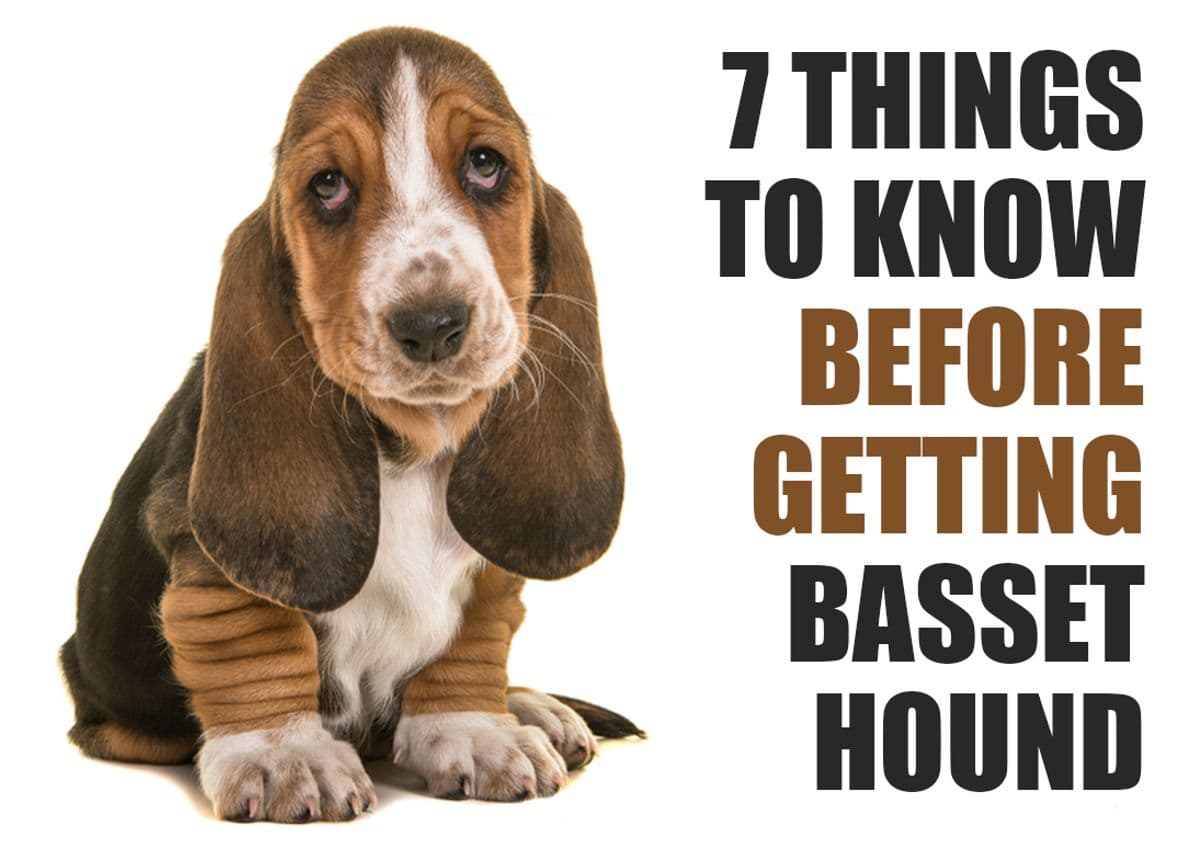
You've seen the ears. You've seen the droopy eyes. You've seen that unmistakable "the world has wronged me" expression — and you're smitten.
Here's the good news: that sad face is a total lie.
Basset Hounds are sweet, funny, clever little clowns wrapped in a low-slung, floppy-eared package. But living with one is not quite what most people expect.
Below is everything we've learned from loving scent hounds like the Basset — the food obsession, the selective hearing, the grooming quirks, and exactly who this breed is (and isn't) right for.
What Makes Basset Hounds So Unique?
Most people assume all hunting dogs work the same way. They don't.
Bassets were bred to track scents — not to chase prey by sight the way a Greyhound or Whippet does. That single fact explains almost everything about their behavior.
They're slow movers. But the moment their nose locks onto something interesting, they become laser-focused and gloriously deaf to the outside world.
“That famous stubborn streak isn't defiance — it's a job description. They were built to follow their noses above all else, including you.”
So what does this mean for you? When you call your Basset from across the yard and they act like they've never met you, they're not being rude. They're just… working.
Now let's get into what actually surprises new owners.
7 Things to Know Before Getting a Basset Hound
1. They're Absolutely Obsessed With Food
If something smells even remotely edible, your Basset will find it.
Your dinner on the coffee table. Yesterday's pizza crust in the trash. A crumb that fell behind the couch in 2019. Nothing is safe.
But here's the upside: that food drive makes them very trainable — as long as you've always got a treat handy.
2. Training Takes Patience (and Snacks)
Bassets are smart. That's the tricky part.
They usually understand exactly what you're asking. They just quietly decide whether it's worth their time — and often conclude it isn't.
How to train a Basset without losing your mind
- Keep sessions short and funFive to ten minutes beats a long, boring drill every time.
- Pay wellHigh-value treats turn "why should I?" into "yes, chef."
- Don't expect instant obedienceRepetition and consistency win. Frustration does not.
- Never take it personallyWhen they ignore you, it's the breed talking — not a grudge.
3. Surprisingly Sturdy — But Watch a Few Things
Good news first: Bassets are generally a hardy breed. That said, their unusual build comes with a short list of things to stay ahead of.
Dental care
Start brushing their teeth early and often — small dogs are prone to tartar and gum trouble.
Weight
Easy to overfeed, hard to talk into exercise. Extra pounds strain those long backs.
Eyes
Those droopy lids can invite issues like cherry eye. Regular vet checks catch problems early.
Backs
Long body + short legs = spinal strain. Discourage jumping off furniture.
4. Not Total Couch Potatoes
Yes, they love a good nap. No, they're not lazy.
Basset puppies especially can be surprisingly playful and goofy. They don't need marathon hikes — but they do need to move.
2 walks/day
Plus some indoor play is usually plenty for a healthy Basset
What this means in practice: two decent daily walks and a bit of indoor playtime keeps both their body and their nose satisfied.
5. Quiet — Most of the Time
Unlike a lot of small and hound-type breeds, Bassets aren't constant barkers.
They're also not natural guard dogs — which, funnily enough, makes them great for apartment living.
6. Fantastic With Kids and Other Pets
This is one of our favorite things about the breed.
Bassets are gentle, tolerant, and wonderfully laid-back — the kind of dog that shrugs off chaos and keeps snoozing.
Young kids
GreatPatient and gentle, though supervise little ones as always.
Other dogs
GreatSociable pack animal by nature — usually easygoing.
Cats & pets
GoodGenerally tolerant, especially with early introductions.
First-time owners
GoodForgiving temperament, but be ready for stubbornness.
7. Grooming Is Easy — But Don't Skip It
That short coat is genuinely low-maintenance. The ears and skin folds are where the real work hides.
More on the full routine in a moment — because those famous ears need more attention than people expect.
Let's talk about the day-to-day grooming plan.
Your Simple Basset Grooming Routine
Skip the wrinkles and ears and you're asking for trouble. Those floppy ears trap moisture and warmth — a perfect setup for infections.
- Brush their coat a couple times a week
- Clean and check ears weekly
- Wipe skin folds to keep them dry
- Bathe every few weeks
- Brush teeth at least twice a week
- Ignore the ears until something smells off
Who Should Get a Basset Hound?
Bassets are perfect for people who want a loving, funny, relatively low-energy companion — and who won't lose their patience over a little stubbornness.
Pros
A Basset might be your match if…
- You enjoy relaxed walks over intense exercise
- You want a gentle dog for kids and other pets
- You appreciate a goofy, cuddly personality
- You can keep food and trash securely out of reach
Cons
Maybe reconsider if…
- You need instant, snappy obedience
- You want a jogging or hiking partner
- You can't tolerate some drool and shedding
- You have zero patience for selective hearing
“Part clown, part cuddlebug — a Basset is a dog who takes life slow and makes it funnier.”
Getting Ready for Your Basset
The good news? You don't need much to start. A little prep goes a long way.
A comfy bed
They take napping very seriously — reward the habit.
Good-quality treats
Your #1 training tool and negotiation currency.
Grooming basics
Brush, ear cleaner, and dog shampoo.
Dental kit
A toothbrush and vet-approved toothpaste.
Scent & puzzle toys
Nose games keep that busy brain happy.
Patience
Free, and absolutely essential.
Frequently Asked Questions
Yes, largely because they're gentle and forgiving. The main challenge is their stubbornness during training, so first-timers should be ready to be patient and use plenty of treats.
Not usually. They're one of the quieter hound-type breeds and aren't natural alarm barkers, which makes them well suited to apartments. They can bay or howl when excited, though.
Very. Their gentle, tolerant, laid-back nature makes them excellent family dogs. As always, supervise interactions with very young kids and teach children to be respectful.
Generally yes. They're sociable and easygoing, especially when introduced early. Their pack-dog background tends to make them get along well with other animals.
Two decent walks a day plus some indoor playtime usually covers it. They're not built for long runs or hikes, but they do need daily movement to stay a healthy weight.
For most owners, it's the combination of a relentless food drive and selective obedience. You'll need to Basset-proof your kitchen and accept that recall is a lifelong work in progress.
Those long, floppy ears trap warmth and moisture, which can lead to infections. A quick weekly check and clean prevents most problems before they start.
It's best they don't. Their long backs and short legs make jumping hard on the spine. Use a ramp or steps, or lift them gently to protect their joints.