Understanding the Chow Chow: 7 Key Facts
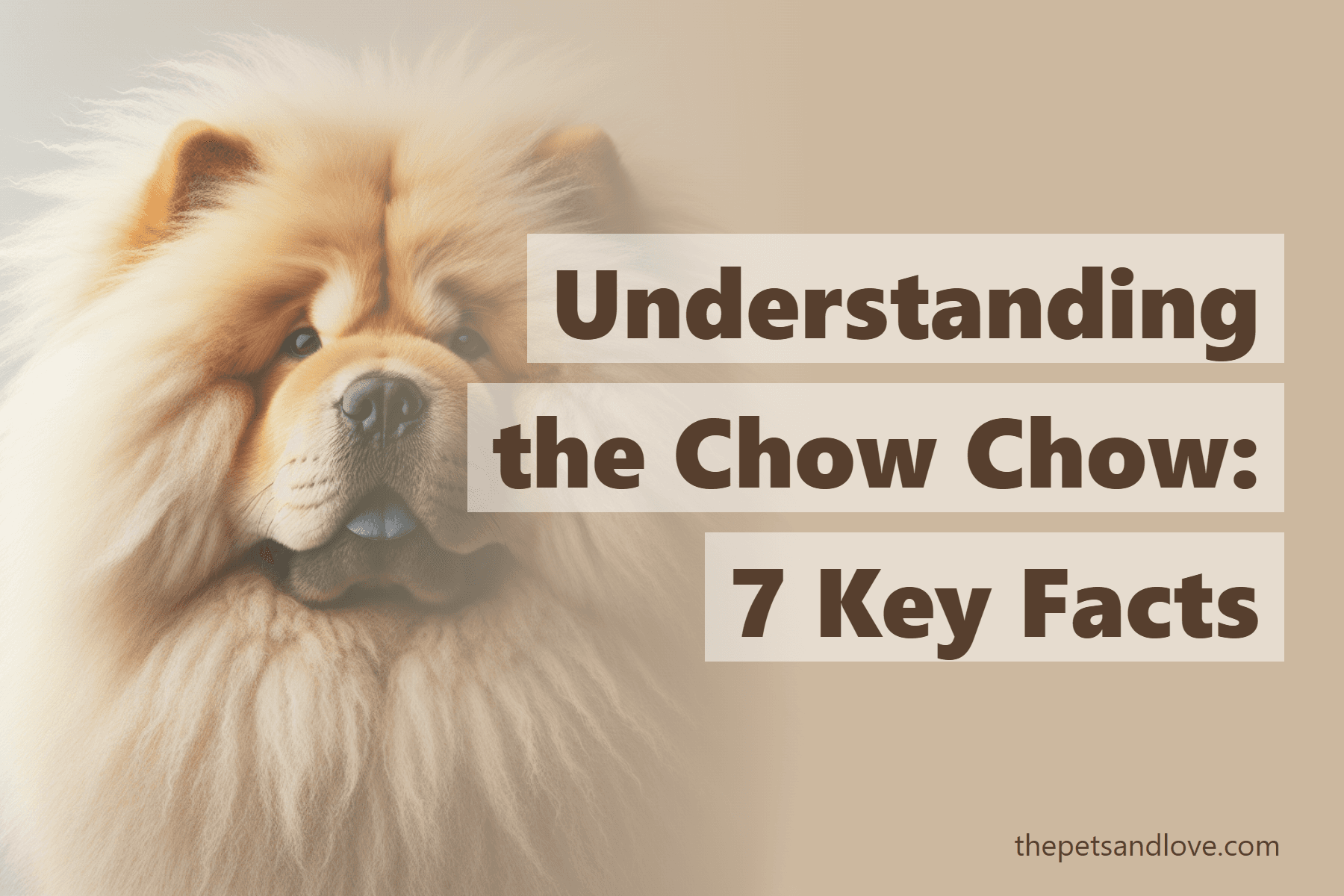
Thinking about bringing home one of those fluffy, lion-maned dogs that stop people in their tracks? You already know the Chow Chow is stunning. What you might not know is how much dog is hiding under all that floof.
Here's the honest version: Chow Chows are gorgeous, deeply loyal, and full of personality — but they are not a beginner breed.
Get it right, and you'll have a dignified, devoted companion for years. Get it wrong, and you'll have a strong-willed dog that tests your patience daily.
Below are the 7 things every future Chow parent needs to know before falling for that face.
| Category | Rating |
|---|---|
| Trainability | |
| Grooming | |
| Loyalty | |
| Watchdog | |
| Exercise Needs | |
| Beginner-Friendly |
1. They're Powerful Dogs With Strong Personalities
Here's the thing most people miss under all that fluff:
A Chow Chow is a solid wall of muscle. They're not huge, but they're dense and surprisingly strong for their size.
If one decides to pull on the leash, you'll feel it in your shoulder. That's exactly why training isn't optional with this breed.
“Chows aren't eager-to-please people-pleasers. They're independent thinkers who decide whether your request is worth their time.”
Unlike many working breeds, they don't live to obey you. They're independent — sometimes downright stubborn — if you don't train early and stay consistent.
So what works? Be firm but fair. No harsh discipline (it backfires fast with this breed), but no letting them run the house either.
2. Socialization Is Absolutely Everything
Chow Chows are naturally suspicious of strangers — both people and other animals.
That instinct makes them excellent watchdogs. But it also means socialization can make or break the dog you end up living with.
Now, here's where a lot of owners go wrong:
- Introduce your Chow to new people early and often
- Arrange calm, positive meetings with other friendly dogs
- Expose them to new sights, sounds, and places while young
- Assume they’ll “grow out of” being aloof on their own
- Force scary interactions or flood them with strangers at once
Skip this step and you risk a dog that's aloof at best — and reactive at worst.
Now let's talk about the part that surprises new owners the most.
3. Grooming Is a Serious Commitment
That magnificent double coat is the whole reason people fall in love with the breed.
It's also one of the highest-maintenance coats you'll find on any dog.
Expect heavy shedding, especially when the seasons change and they "blow" their coat in big, dramatic waves.
The Chow grooming rules
- Brush daily if you canAt an absolute minimum, aim for 3–4 times a week — mats build up fast.
- Book professional grooming a few times a yearEspecially during the big seasonal blowouts, a pro is a lifesaver.
- Never shave a Chow ChowShaving a double-coated dog can damage the coat and wreck their ability to regulate temperature.
4. They're Loyal — But Not Clingy
If you're picturing a velcro dog that follows you room to room, adjust your expectations.
Chows are more reserved than that. They love their families deeply and enjoy being near you — often lounging quietly at your feet.
But they won't beg for constant attention or drama.
It's a quiet, dignified kind of companionship. For the right person, that's exactly the appeal.
5. Their Exercise Needs Are Moderate
Good news if you're not a marathon runner: Chows aren't hyper.
About an hour of activity a day, split into two walks, is usually plenty.
But don't confuse "moderate" with "optional." They still need that daily movement — plus mental stimulation indoors to stave off boredom.
Two daily walks
Split the hour into a morning and evening outing to keep them steady and content.
Puzzle toys
A bored Chow is a cranky Chow. Food puzzles keep that independent brain busy.
Short training games
Quick sessions engage their mind and reinforce that you’re the one calling the shots.
Gentle play
They’re not fetch fanatics, but calm interactive play strengthens your bond.
6. The Blue-Black Tongue (and Other Quirks)
You've probably noticed it in photos — that famous inky, blue-black tongue.
It's completely normal and nothing to worry about. It's just part of what makes the breed so distinctive.
Can you guess?
Which breeds consistently have this blue-black tongue?
In a Chow Chow, a blue-black tongue is a normal breed feature, not a health warning. Puppies are often born with pink tongues that darken as they mature.
They’re aloof and protective, not inherently aggressive. Early socialization and consistent, fair training shape a calm, well-mannered adult.
7. Health-Wise, They Need Attentive Care
Chows can live a good 8–12 years, sometimes longer with attentive care.
But they are prone to a handful of issues worth knowing about before you commit.
What does this mean in practice?
Regular vet checkups and consistent grooming aren't just nice-to-haves — they're how you catch these problems early, before they become expensive or painful.
So is a Chow Chow actually right for you?
The Honest Bottom Line
Chow Chows are striking, intelligent, and fiercely loyal. When matched with the right owner, they're extraordinary companions.
But they're not the dog for everyone.
Pros
A great fit if you…
- Have experience with strong-willed dogs
- Can commit to daily brushing and regular grooming
- Want a calm, dignified, protective companion
- Are patient, consistent, and firm but fair
- Live somewhere with manageable temperatures
Cons
Maybe not if you…
- Are a first-time dog owner
- Want an easygoing, endlessly trainable pup
- Can’t keep up with heavy shedding and coat care
- Live in a very hot climate
- Want a cuddly, always-underfoot velcro dog
Quick poll
After reading this, is a Chow Chow still on your list?
Frequently Asked Questions
Generally, no. Their independent, stubborn nature and grooming demands make them challenging. First-timers who are exceptionally committed to training and research can succeed, but it’s an uphill climb compared to easier breeds.
They’re not excessive barkers. Chows are relatively quiet dogs, but they’ll alert you when someone approaches — their natural wariness of strangers makes them reliable watchdogs.
They can be, especially when raised with kids and well socialized. But their reserved nature means they don’t always tolerate rough handling. Supervise interactions and teach children to respect the dog’s space.
It varies. Their suspicion of other animals means early, careful socialization is essential. Many do best as the only pet or with animals they’ve grown up alongside.
A lot — and especially during seasonal “coat blows,” when they shed in dramatic waves. Daily brushing keeps it manageable; skipping it leads to mats and a house full of fur.
Not well. Their thick double coat traps heat and makes them prone to overheating. In hot climates, keep them cool, walk them during cooler hours, and always provide fresh water and shade.
For most owners, it’s the combination of stubbornness and grooming. You need patience for consistent training and the discipline to keep up with that demanding coat — neither is a one-time task.