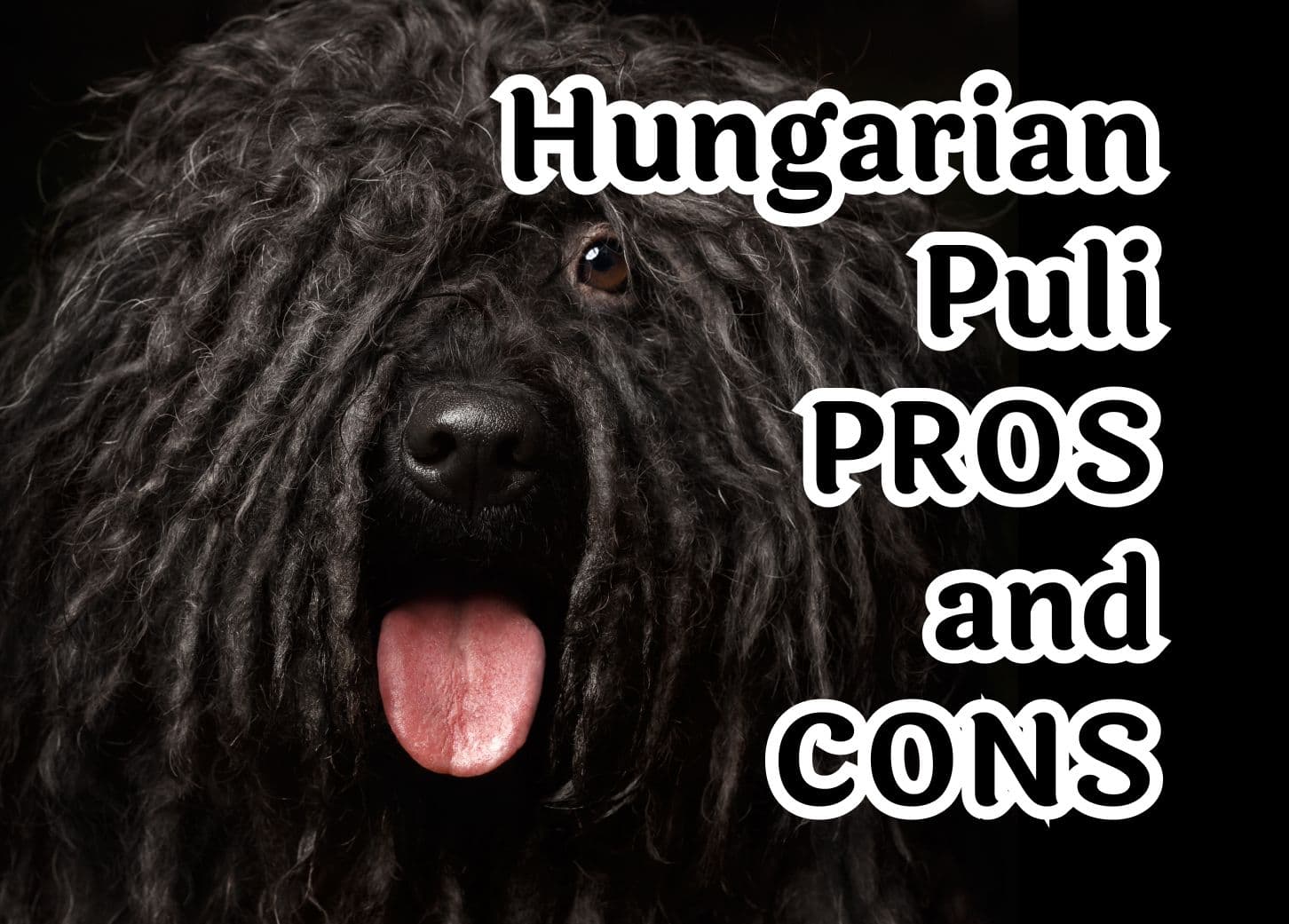
Seven special traits of the Hungarian Puli dog breed
Looking for a dog that’s bursting with personality, brains, and charm — all wrapped in a mop-like coat that turns heads on every walk? Meet the Hungarian Puli.
These dogs are so much more than their famous dreadlocks. They’re loyal, energetic, affectionate, and clever — sometimes a little too clever for their own good.
But before you fall head over heels for those cords, here’s what living with a Puli is actually like — the good, the funny, and the stuff nobody warns you about.
| Category | Rating |
|---|---|
| Intelligence | |
| Energy Level | |
| Affection | |
| Grooming Effort | |
| Beginner-Friendly |
First, the reasons people fall in love with this breed.
What It’s Really Like Living With a Puli
Let’s start with the traits that make Puli owners so obsessed. Spoiler: it’s not just the hairdo.
They’re whip-smart — and they know it
Pulis are herding dogs, bred to think independently and make split-second decisions in the field.
That’s fantastic if you want a pup who learns fast and loves a challenge. But here’s the catch: they get bored fast if you don’t keep their brain busy.
Leave them alone all day with no plan, and they’ll invent their own entertainment. And trust me — it won’t be the kind you enjoy.
They’re little athletes in disguise
Don’t let the mop fool you. Under all that fluff is a lean, spring-loaded body that needs to move.
Think two solid walks a day plus real playtime. If you love hiking, jogging, or just being active outdoors, a Puli is an incredible partner.
They’re incredibly affectionate — especially with their family
Pulis are natural protectors who love their people fiercely. They’re gentle with children and bond tightly with the whole household.
Just supervise early interactions and teach kids and dog to respect each other’s space.
Their sensitivity and loyalty can even make them wonderful therapy dogs — but only after proper training and socialization.
“Living with a Puli is like living with a brilliant, shaggy comedian who always wants to be part of the action.”
Now for the parts the puppy photos leave out.
The Not-So-Fun Stuff You Should Know
Every breed has trade-offs. With a Puli, they mostly come down to coat, caution, and character.
That coat takes real effort
Those cords don’t form or stay clean on their own.
- You’ll separate the cords regularly to stop them from matting into one giant tangle.
- Baths are occasional — but drying a corded coat takes forever.
- Eyes and ears need routine checks for irritation or infection.
The upside? Pulis are low-shedding and often tolerated well by people with dog allergies.
They’re suspicious of strangers — it’s in their DNA
Those guarding instincts mean your Puli won’t automatically warm up to everyone.
They’re not aggressive — just naturally wary. Early, consistent socialization teaches them that not every visitor is a threat.
They’ll run the show if you let them
This is not a dog you can let raise itself.
Pulis are independent thinkers who can turn bossy or stubborn without firm, consistent guidance.
How to stay the leader
- Start earlySet expectations from day one — good habits are easier to build than to fix.
- Use positive reinforcementReward what you want. Harsh corrections backfire on a sensitive, clever dog.
- Stay consistentMixed signals invite them to negotiate. Everyone in the home should follow the same rules.
- Be patientThey’re not being difficult — they’re just used to calling the shots.
So, is this the right dog for your life?
Is a Puli Right for You?
Here’s the honest gut-check before you commit to years of cords and cleverness.
Pros
A Puli is a great fit if you…
- Are active and love the outdoors
- Enjoy training and mental games with your dog
- Have a securely fenced yard
- Are ready for the grooming commitment
- Can confidently handle a strong-willed breed
Cons
Maybe skip the Puli if you…
- Want a low-maintenance, go-with-the-flow dog
- Live in a cramped space with no yard
- Are gone all day with no enrichment plan
- Dislike regular grooming work
- Prefer a dog that instantly loves strangers
Active families
GreatThey thrive on hikes, play, and being part of the action.
Kids (supervised)
GoodGentle and protective, but teach mutual respect early.
First-time owners
With careDoable, but be ready for a stubborn, brainy dog.
Apartment-only life
ToughNeeds space and serious daily exercise.
Let’s clear up a few common misconceptions.
Puli Myths vs. Facts
They’re a deliberate, healthy coat — but they do need regular separating to stay clean and mat-free.
They’re low-shedding and often tolerated by allergy sufferers, but no dog is 100% allergy-proof.
Under the fluff is a lean, energetic herding athlete that needs real daily exercise.
It’s a guarding instinct, not aggression. Good socialization turns caution into calm confidence.
Quick poll
What’s the biggest thing holding you back from a Puli?
Frequently Asked Questions
They can be, but only if you’re ready for a smart, strong-willed dog. First-timers who love training, exercise, and structure do fine. If you want an easy, hands-off pet, choose something mellower.
Not all day, every day. They’re intelligent and bond closely, so long stretches of boredom lead to anxiety or destruction. Leave enrichment, keep absences reasonable, and consider a dog walker or companion if you work long hours.
They can be vocal thanks to their alert, guarding nature. Early training and socialization help you manage nuisance barking while keeping their useful watchdog instincts.
Yes, with supervision. They’re gentle and protective toward their family. Teach kids to respect the dog’s space and always oversee early interactions.
Often, especially when raised together and well socialized. Their herding drive may make them want to “manage” other pets, so early exposure helps a lot.
For most owners it’s a tie between the coat care and the stubborn streak. Both are manageable, but neither is casual — this breed needs an engaged, consistent owner.
Regular cord separation to prevent matting, occasional baths (with long drying times), and routine eye and ear checks. It’s a lifelong routine, not a one-time setup.
Somewhat. They mellow past the wild puppy and adolescent stages, but they stay active, playful, and mentally hungry well into adulthood. Plan for years of exercise and enrichment.
One last thing: if you bring home a Puli, get comfortable answering the question, “What kind of dog is that?!” — because you’ll hear it about a hundred times a week. Trust me.