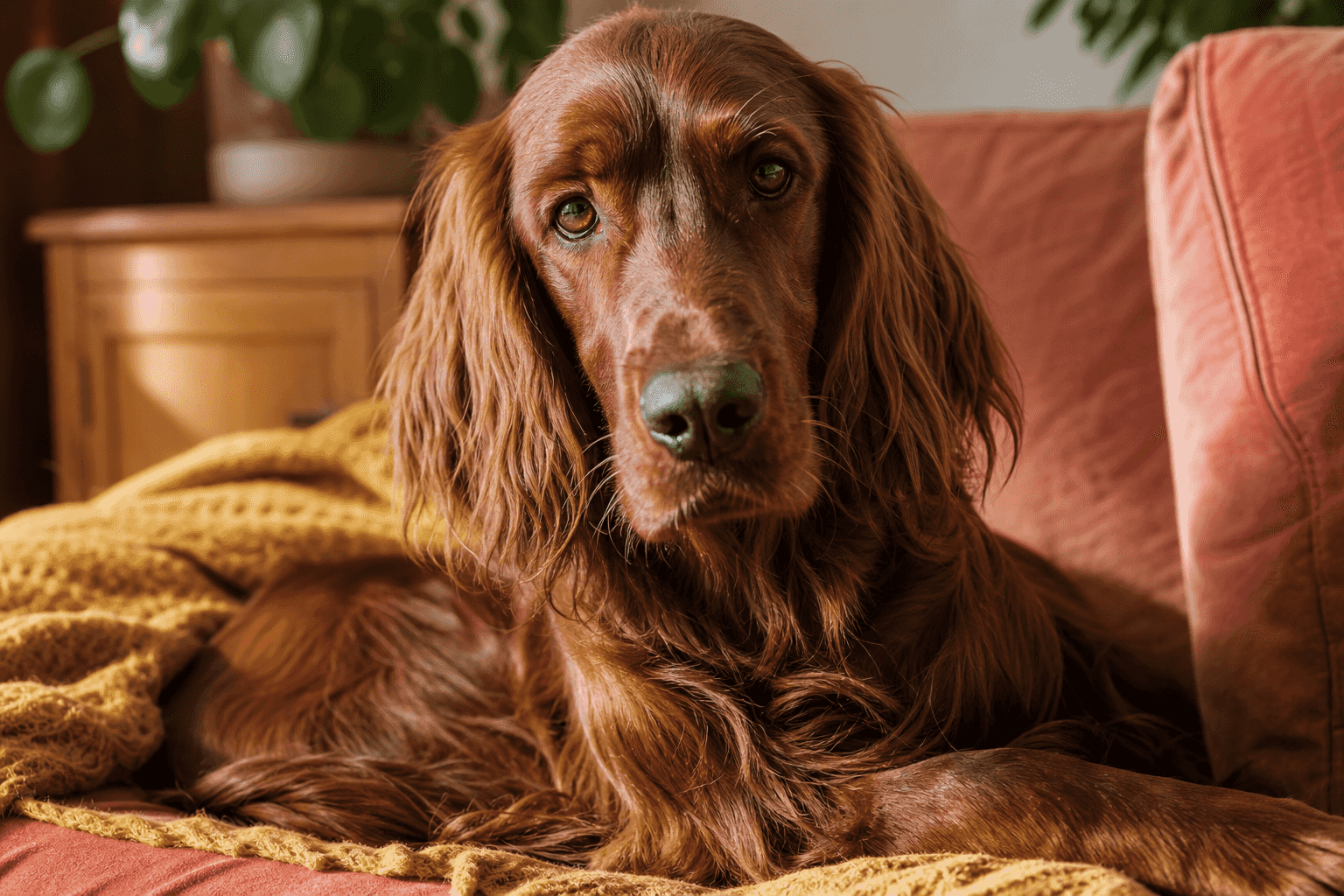
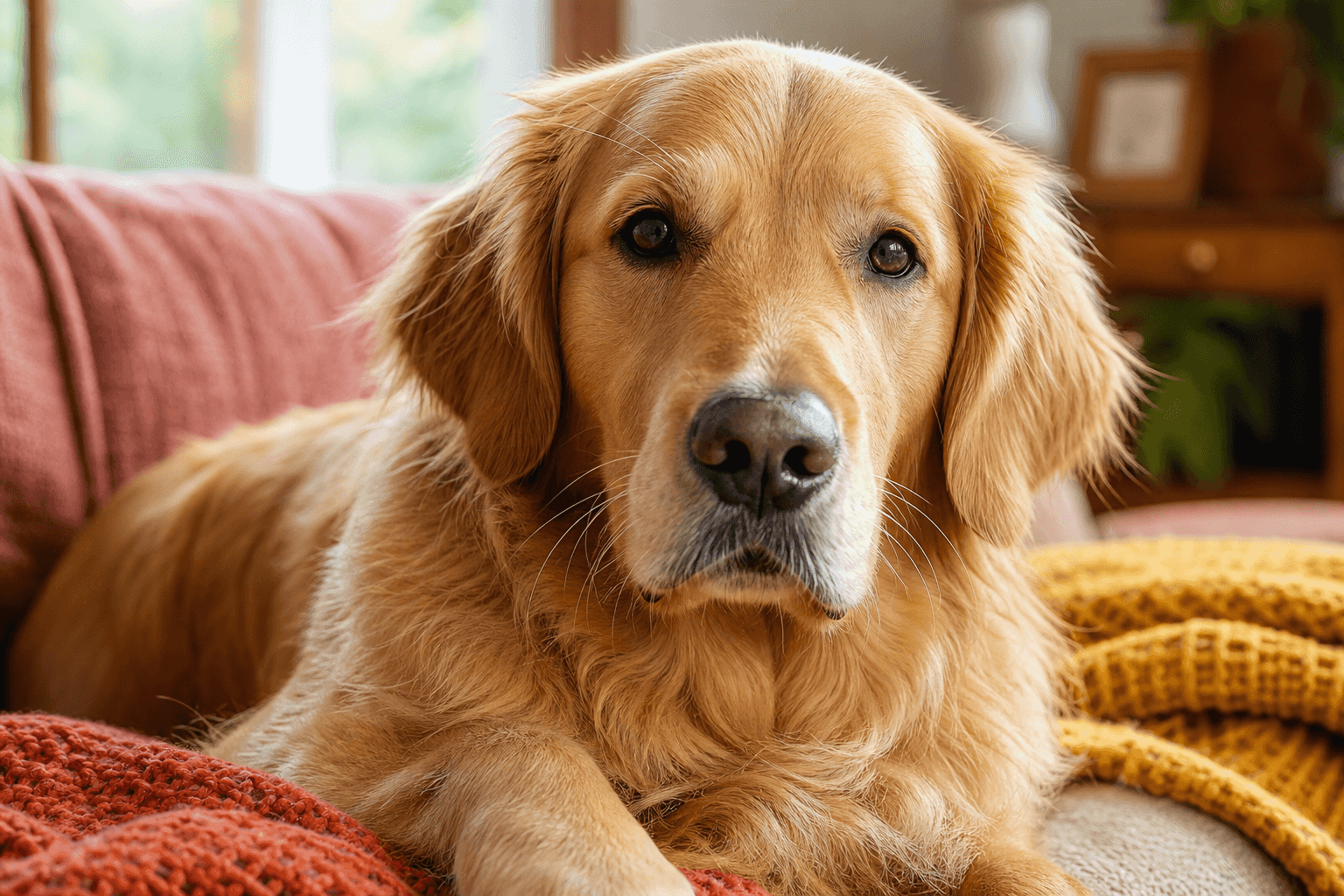
7 Best Dog Breeds for Deer Hunting
You want a hunting dog that actually earns its keep in the field — not one that loses the trail the second rain hits or bolts after the first squirrel it sees.
Here's the good news: the right breed makes deer hunting dramatically easier.
I've spent years running dogs through the woods, and while training matters more than pedigree, some breeds are simply wired for this work.
Below are the breeds I've had real success with — plus honest, field-tested notes on what each one needs to shine.
“The best deer hunting dog isn't about the papers. It's about the bond you build and the work you put in.”
1. American Foxhound
These dogs live to track. Full stop.
I had one named Max who once followed a deer trail through pouring rain — long after I was sure the scent had washed away.
They've got almost absurd stamina and a burning drive to follow a trail for miles.
| Category | Rating |
|---|---|
| Scent tracking | |
| Endurance | |
| Trainability | |
| Recall |
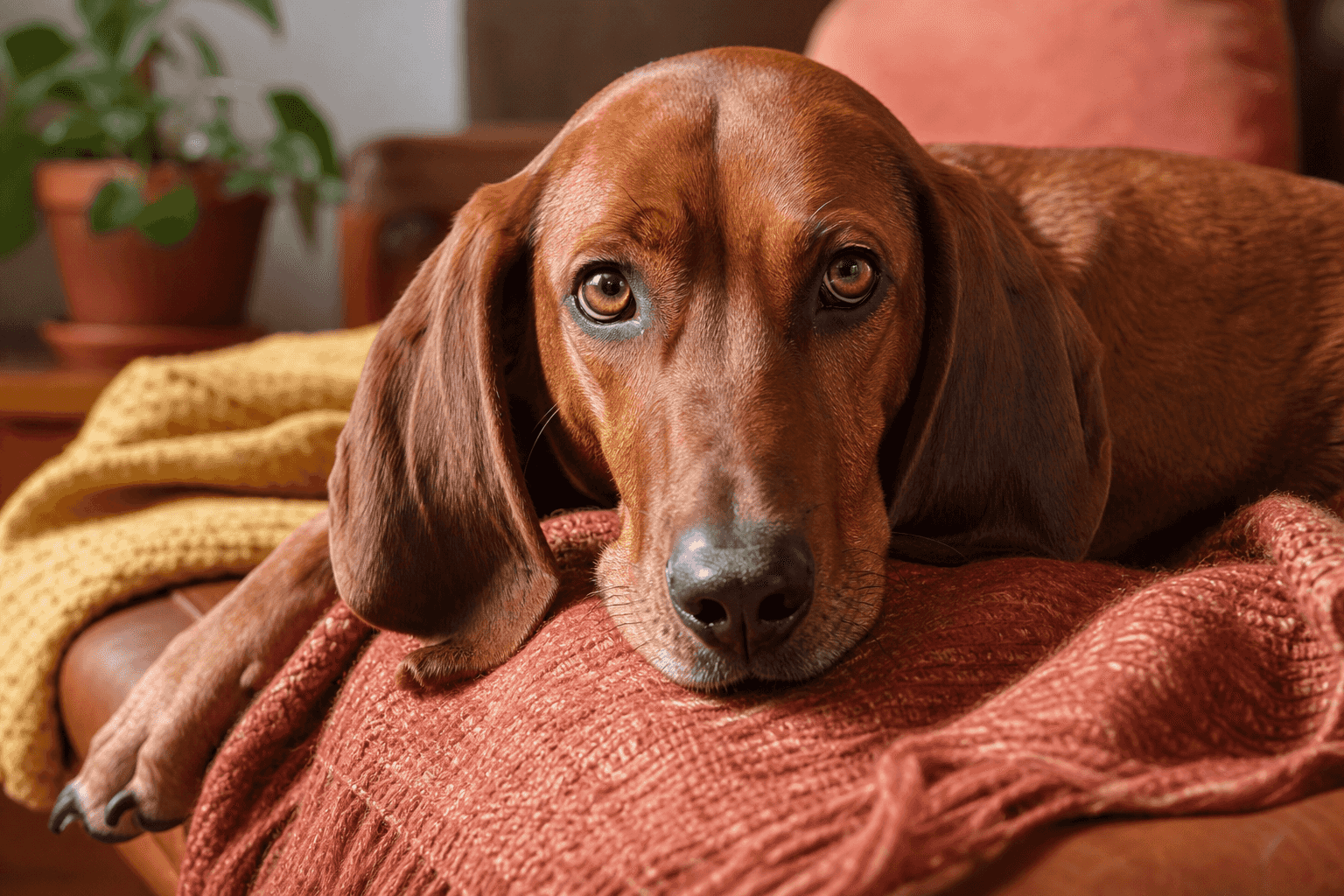
2. Black and Tan Coonhound
Duke, my first hunting dog, was a Black and Tan.
He could track just about anything — and had this deep, rolling bay you could hear clear across the woods.
Great for deer, raccoon, you name it.
Sharp nose
Picks up trails fast and holds them across varied ground.
All-day endurance
These dogs keep working long after you want a break.
Family-friendly
Genuinely good with kids and other pets around the home.
That voice
Their bay carries for miles — a feature in the field, a problem in the suburbs.
Next up: the best nose in the business.
3. Bloodhound
If there's a better nose out there, I haven't smelled it.
Bloodhounds can work old, cold trails in terrain where other breeds simply give up.
Pros
What makes them special
- Unmatched tracking on cold, faded trails
- Calm, gentle temperament at home
- Relentless persistence — they don’t quit
Cons
What to watch for
- Need heavy mental stimulation
- Stubborn to the point of frustration
- A bored Bloodhound redecorates your furniture
4. English Pointer
Not the first breed most people picture for deer — but I've made a few work beautifully.
Their pointing instincts help you read deer movement, and they pick up training fast.
Here's the thing about Pointers: they're quick, agile, and eager to please.
But they're also sensitive.
5. German Shorthaired Pointer (GSP)
These dogs do it all.
Deer, birds, waterfowl — my GSP has been my go-to for years.
High energy, sharp mind, and always ready to work.
| Category | Rating |
|---|---|
| Versatility | |
| Trainability | |
| Family fit | |
| Energy needs |
Now for a breed that surprised me.
6. Rhodesian Ridgeback
I was skeptical at first. I'm not anymore.
Ridgebacks are strong, fast, and literally bred to track big game.
They handle long treks through rough terrain like it's nothing.
Natural tracker
Bred for big-game work — the instinct runs deep.
Even-tempered
Protective without being reactive or hot-headed.
Built tough
Handles heat, distance, and difficult ground.
Independent mind
Smart, but they think for themselves.
7. Treeing Walker Coonhound
These dogs are like scent-guided rockets.
They lock onto a trail fast and follow it with real intensity — especially in wooded country.
Pros
What they bring
- Fast, focused, high-drive tracking
- Naturally tree game
- Friendly, good-natured personalities
Cons
The trade-off
- Loud when excited
- Can get overstimulated
- Need solid early socialization
8. Weimaraner
Sleek, fast, and seriously smart.
I've had good luck with Weimaraners in the field — especially the ones started young and kept active.
Quick learner
Picks up commands and reads situations fast.
Strong nose
Athletic build paired with a capable scenting drive.
People-oriented
Wants to be part of everything you do.
So which one is actually right for you?
Which One Should You Pick?
Here's the honest truth after years in the woods: the breed matters less than the work you put in.
Training, time together, and regular field practice beat papers and pedigree every single time.
The rules that hold true for all eight
- A tired dog is a happy dogEven off-season, these breeds need real exercise and mental challenges to stay sharp.
- Train recall before prey drive takes overEspecially with the hounds — get it locked in early.
- Match the dog to your life, not just the huntNoise, energy, and alone-time tolerance all affect daily living.
Quick poll
Which breed are you leaning toward?
The German Shorthaired Pointer is the strongest all-rounder for first-timers. It’s versatile enough for deer, birds, and waterfowl, learns fast, and bonds tightly with its handler — as long as you meet its high exercise needs.
Yes. Hounds are bred to bay and bark on the trail so you can follow them. That deep voice is a feature in the field, but it can be a real issue if you have close neighbors.
The Bloodhound, hands down. It can follow old, cold trails across terrain where other breeds give up entirely. The trade-off is stubbornness and a big need for mental stimulation.
Many are. Black and Tan Coonhounds, GSPs, and Treeing Walker Coonhounds are all known for being good with kids and other pets. The key is meeting their exercise and stimulation needs so they’re calm at home.
A lot. High-energy breeds like the GSP and Weimaraner need daily runs or serious play even when you’re not hunting. Skipping it leads to anxiety, chewing, and general chaos.
You can build a strong recall, but you have to start early — before prey drive fully develops — and reinforce it constantly. With scent hounds especially, expect this to be an ongoing project rather than a one-and-done.