Consider These 29 Questions Before Getting a Xoloitzcuintle
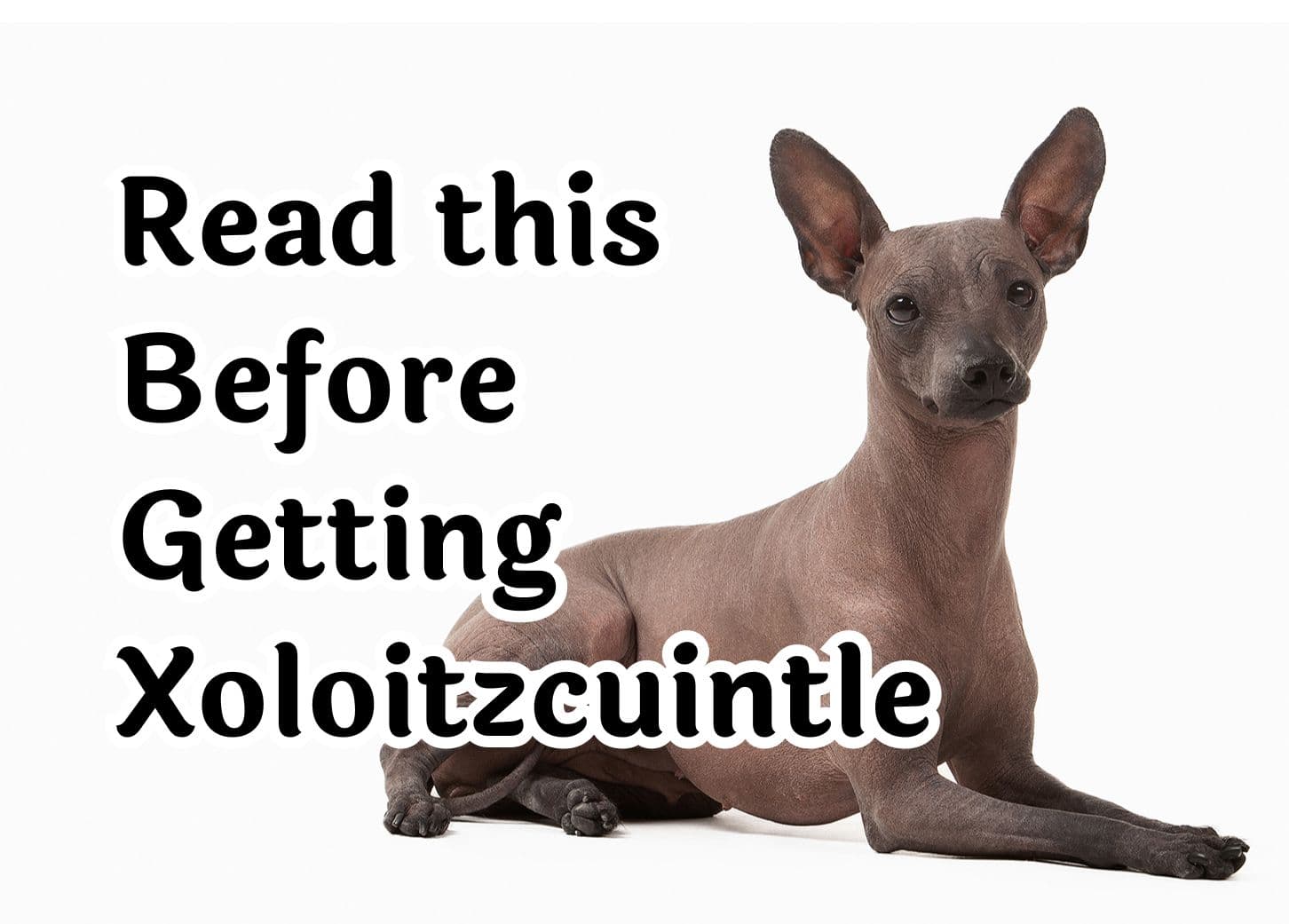
You want a dog that turns heads, bonds for life, and isn't like every other pup at the park. The Xoloitzcuintle (say it: show-low-eats-queent-lee) delivers all three — and then some.
Also known as the Mexican Hairless, this is one of the oldest dog breeds on the planet.
But here's the honest truth: the Xolo isn't for everyone. Get it right and you'll have a soulful, velcro-loyal companion. Get it wrong and you'll both be frustrated.
So before you fall for those bat ears and that warm, smooth skin, let's walk through what actually owning one is like.
What Makes the Xoloitzcuintle So Special?
The first thing you'll notice is the look. Most Xolos are completely hairless, with smooth skin and those unmistakable bat-like ears.
Their skin is soft and surprisingly warm to the touch — almost like a living hot water bottle.
A rarer version comes with a short coat instead. But hairless is the classic Xolo, and it changes everything about how you care for them.
Here's the part that hooks most owners, though: the personality.
Xolos are deeply loyal, sensitive, and bond tightly with their people. They're cuddle-bugs at home — but a little aloof with strangers until they decide you're okay.
“They're ancient dogs with modern charm — and once they bond with you, it's for life.”
First things first — which size fits your home?
Three Sizes, Same Big Personality
One of the best things about this breed? You can pick the size that fits your life.
Whether you're in a compact apartment or a house with a yard, there's likely a Xolo that suits you.
The catch? The temperament stays the same across all three. A Toy Xolo is just as devoted — and just as stubborn — as a Standard.
So are they beginner-friendly? Let's be honest.
Are Xolos Good for First-Time Owners?
Honestly? They're better suited to experienced dog people.
They're smart — but also independent and a touch stubborn. Training takes patience and consistency, not just treats and hope.
If you're up for the challenge, though, the bond you build is genuinely worth it.
Great With Families — But They Hate Being Alone
Xolos are famously devoted and make wonderful family dogs.
They're gentle with kids and love being involved in absolutely everything you do.
Older kids
GreatGentle and playful when kids respect their space.
Toddlers
SuperviseTeach little ones not to tug ears or tails.
Left home alone
StrugglesThey bond hard and dislike long stretches solo.
Other pets
DependsBest with early socialization from a young age.
Here's the dealbreaker for some: they really don't like being left alone.
If your house is empty most of the day, this probably isn't the breed for you.
Energy Level and Exercise Needs
Young Xolos are little bundles of energy — don't let the elegant look fool you.
30+ min
of daily exercise, minimum — plus play and mental stimulation
Beyond the walk, they crave mental work: puzzle toys, training games, even dog sports.
The good news? They mellow with age and turn into laid-back, dignified companions.
Now for the part that makes Xolos totally unique — their skin.
Grooming: It's All About the Skin
Hairless means almost zero shedding. But don't mistake that for zero maintenance.
Their bare skin needs a little TLC that furry breeds simply don't.
- Bathe every couple of weeks with a mild, moisturizing shampoo
- Use dog-safe sunscreen if they're light-skinned and out in the sun
- Keep nails trimmed and teeth clean
- Watch for acne or irritation
- Over-bathe them — it strips their natural oils
Coated Xolos, on the other hand, have a very short coat and are wonderfully low-maintenance.
Are They Hypoallergenic?
Not exactly — and this trips up a lot of hopeful buyers.
Xolos still produce dander, which is a common allergy trigger. If your reaction is to dander, a Xolo may not solve it. If you only react to fur, you might do better with this breed — but always spend time around one first.
Let's get into who they really are.
Temperament: Smart, Quirky, Loyal
If you want a predictable, eager-to-please dog, look elsewhere. Xolos have opinions.
Intelligent but strong-willed
They figure things out fast — especially how to get their own way.
Trainable, but stubborn
You'll need consistency and mutual respect, not force.
Quiet but alert
Not yappy, but they'll sound off at suspicious noises or strangers.
Playful and mischievous
They love to entertain and be the center of attention.
They aren't aggressive, but they can be territorial without proper socialization.
Health and Lifespan
Good news: Xolos are generally a hardy, healthy breed.
12–15 yrs
typical lifespan with good care
Like any breed, though, there are a few things to keep an eye on.
- Hip dysplasia
- Luxating patella (slipping kneecap)
- Skin problems like acne
- Dental quirks, especially in hairless dogs
- Eye or heart conditions (less common)
Most of this is manageable with regular vet checkups and steady skincare.
Can They Live in Apartments?
Absolutely.
As long as they get daily exercise and aren't left alone for long stretches, apartment life suits a Xolo just fine.
Water Lovers and Watchdogs
Here's a fun surprise: many Xolos love water. Swimming is a favorite way to cool off on hot days.
And while they're not guard dogs, they make excellent watchdogs — alert, fearless, and quick to tell you something's off.
Let's talk numbers before you commit.
Cost and Care
Because they're rare, Xolos take some effort — and money — to bring home.
Can you guess?
What does a Xolo puppy actually cost?
The wait can be long. But a well-bred, well-raised Xolo is worth every extra week.
Pros
A Xolo might be perfect if you…
- Are home often and want a devoted companion
- Have patience for consistent training
- Want a low-shedding, hypoallergenic-ish dog
- Love a quirky, one-of-a-kind personality
Cons
Think twice if you…
- Work long hours away from home
- Want an easy, eager-to-please first dog
- Can't commit to regular skin and dental care
- Have severe dander-based allergies
Quick poll
Which Xolo trait wins you over most?
Frequently Asked Questions
They can be, but they're better suited to people with some dog experience. Their independent, strong-willed streak means training takes patience and consistency. If you're committed to that, first-timers can absolutely succeed.
Not long. Xolos bond intensely and dislike being alone for extended periods. A few hours is usually fine, but full workdays with no company can lead to stress and unwanted behavior.
Not really. They're fairly quiet dogs, but they are alert. Expect them to bark at strange noises or unfamiliar visitors — which makes them excellent watchdogs.
Yes, they're generally gentle and playful with kids. Just teach children not to tug on ears or tails, and supervise interactions with very young ones.
Not fully. They lack hair, but they still produce dander, which triggers many allergies. They may suit people allergic only to fur, but always spend time with one before committing.
Their skin does need care — regular gentle baths, sun protection for light skin, and dental attention. But there's almost no shedding, and coated Xolos are even lower maintenance.
For most owners, it's the combination of their dislike of being alone and their stubborn streak. If you're home often and stay consistent with training, both become manageable.
Expect high energy through the first couple of years. As they mature, most Xolos settle into calm, dignified, laid-back companions.