Things to Think About Before Getting an American Staffordshire Terrier
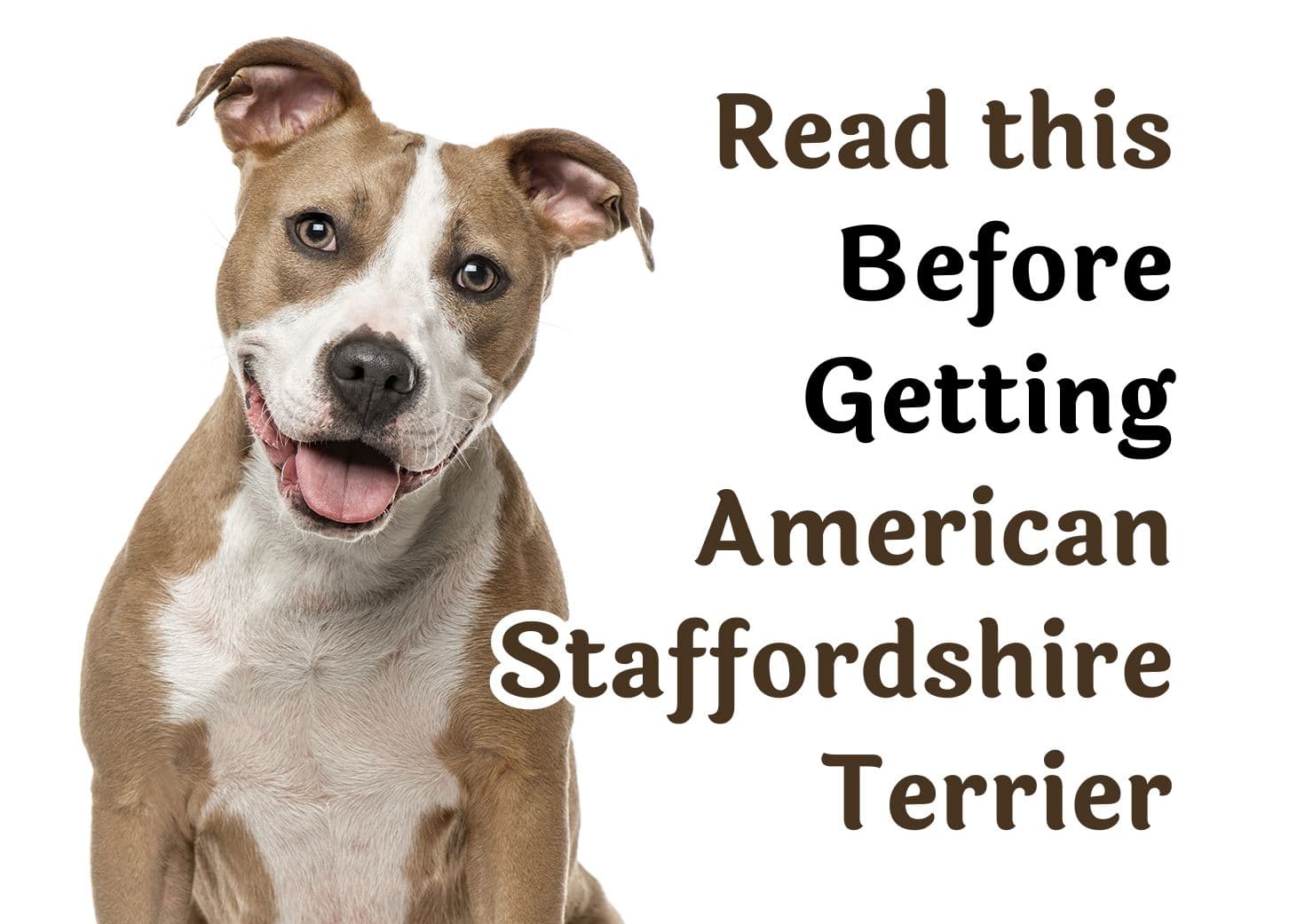
You want a dog that’s fiercely loyal, endlessly affectionate, and smart enough to keep you on your toes. The American Staffordshire Terrier delivers all of that—but only if you’re ready for the work behind the wag.
Here’s the truth: AmStaffs are amazing companions for the right people, and a real handful for everyone else.
So before you fall for those melting brown eyes, let’s figure out whether a Staffy actually fits your life.
After plenty of time around high-energy breeds, I’ll be straight with you.
If you’re not ready to commit to training, socialization, and daily exercise, this isn’t your dog. But if you are? You’ll get loyalty and love in return that’s honestly hard to describe.
They’re Family-Oriented (But Need Good Training)
AmStaffs don’t just like their people. They bond deeply, almost obsessively, with the whole pack.
They’re great with kids—especially their own family’s kids—and often act like playful, gentle protectors.
But here’s the catch: they can be wary of strangers, and that sometimes includes your children’s friends.
That’s exactly why early socialization isn’t optional. It’s the difference between a confident, easygoing dog and an anxious, reactive one.
One more thing worth knowing: these aren’t “one-person dogs.” They love the whole household, whether that’s just you or a busy family of five.
Speaking of reputation, let's clear up the biggest myth about this breed.
Not the Same as a Pit Bull… But Close
Here’s something most people get wrong.
“Pit bull” isn’t actually a breed. It’s a catch-all term for several bully breeds lumped together.
AmStaffs are a distinct, recognized breed. They’re very similar to American Pit Bull Terriers and often grouped together, which is where the confusion—and much of the unfair reputation—comes from.
A well-bred, well-socialized AmStaff is typically people-friendly and affectionate. Temperament comes down to genetics, training, and socialization—not the breed label.
So the confusion is understandable. But knowing the difference helps you cut through the noise and judge the dog in front of you, not the label.
Now let's talk about the part people underestimate most: training.
Smart, Strong, and Stubborn
Training a Staffy is a balancing act.
The good news? They’re intelligent and genuinely eager to please.
The challenge? They’re powerful, and many carry a strong prey drive. That combination demands consistent, firm—but positive—training from someone confident.
“If you're a first-time dog owner, this breed can feel overwhelming without professional help early on.”
So what does this mean for you?
Start early, stay consistent, and don’t rely on force. These dogs respond best to reward-based training and firm boundaries—not intimidation.
Training rules that actually work
- Be consistent every single dayAmStaffs test boundaries. Mixed signals confuse them and slow everything down.
- Reward the behavior you wantPraise, treats, and play beat punishment every time with this breed.
- Get professional help earlyA few puppy classes or a private trainer can prevent months of headaches.
- Keep sessions short and funTheir brains tire before their bodies do—end on a win.
Quick poll
Be honest: how confident are you about training a strong, stubborn dog?
Training matters even more when other pets are in the picture.
They Can Be Dog-Selective
Let’s not sugarcoat this: AmStaffs aren’t always easygoing with other dogs.
With enough socialization, some live peacefully with other pets—especially if raised together from a young age.
But don’t expect your Staffy to be the life of the dog park. They can be territorial or reactive, particularly toward unfamiliar dogs.
Their own family
FantasticDeeply bonded, affectionate, and protective of their people.
Kids in the home
GreatPlayful and gentle—but always supervise and teach kids to respect the dog.
Other dogs
With careCan be dog-selective. Early socialization helps, but reactivity is common.
Cats
PossibleDoable if raised together and supervised—but the prey drive is real.
Once the social stuff is handled, there's still all that energy to burn.
Affectionate Couch Potatoes (After Playtime)
Don’t let the muscular build fool you.
These dogs are total lovebugs. After a good romp or a long walk, they’ll happily snuggle up on the couch beside you.
But—and this is a big but—they need serious daily exercise first.
60–90 min
of daily exercise, split into two sessions
Think a mix of walking, running, and play. A single daily stroll won’t cut it.
Here’s why it matters: without enough activity, they get bored. And a bored AmStaff can turn destructive fast.
Pros
Great match if you...
- Enjoy daily walks, runs, or active play
- Want a cuddly companion after exercise
- Have time for two sessions a day
- Like a dog that keeps you moving
Cons
Reconsider if you...
- Work very long hours away from home
- Want a low-energy lap dog
- Have no time for structured exercise
- Prefer a dog that entertains itself
Good news: the physical upkeep is refreshingly simple.
High on Love, Medium on Maintenance
Grooming a Staffy is genuinely easy.
Their short, smooth coats need just one weekly brushing to keep shedding under control.
But there’s a limit to how much you should “fix.”
- Brush once a week to manage shedding
- Protect them from extreme heat and cold
- Check skin regularly for allergies or irritation
- Shave their coat short in summer
- Leave them outside in harsh weather
So physically, they’re low-maintenance. Emotionally? That’s a different story.
Now for the part that affects your wallet and your heart: health.
Health & Lifespan
With good care, AmStaffs live around 12–16 years—a solid, long life for a dog their size.
They’re generally healthy, but the breed can be prone to a few specific issues.
Skin allergies
Common in the breed; watch for itching, redness, or irritation.
Joint issues
Hip or elbow dysplasia can affect their mobility over time.
Hypothyroidism
A treatable hormonal condition worth monitoring at vet visits.
UTIs & mange
Occasional concerns that are usually manageable with prompt care.
Here’s the single best way to stack the odds in your favor.
Reputable Breeder
Pros
- Health-tested parents
- Known temperament & lineage
- Ongoing breeder support
Cons
- Higher upfront cost
- Often a waitlist
Breed Rescue / Shelter
Pros
- Lower cost
- Saves a dog in need
- Adults have known personalities
Cons
- History may be unknown
- May need extra socialization
Before the verdict, let's cover the fun stuff.
Quirky Traits You’ll Love (or Learn to Live With)
Every breed has its personality quirks. AmStaffs have some good ones.
Snort symphony
They make funny snorting noises when they get excited.
Quiet by nature
They don’t bark much—unless they’re under-socialized or bored.
A little gassy
Yep, they can clear a room. A diet tweak usually solves it.
Incredibly expressive
Those eyes will melt you. They say everything without a sound.
Frequently Asked Questions
Honestly, not usually. They’re strong, smart, and can be stubborn, which is a lot for a beginner. If you’re a first-timer set on the breed, invest in professional training early and commit to consistent socialization.
Not long. This breed craves human attention and is prone to separation anxiety. A few hours is fine for an adult, but long workdays without company can lead to destructive, anxious behavior.
Not really. They’re fairly quiet dogs by nature. Excessive barking usually signals boredom or a lack of socialization rather than a breed trait.
Yes, especially with their own family’s kids—they’re often playful and gentle protectors. Always supervise interactions and teach children to respect the dog’s space.
It depends. They can be dog-selective and have a real prey drive. Early socialization and raising them alongside other pets helps, but supervision is a must and the dog park may not be their scene.
For most owners, it’s the combination of high exercise needs and emotional neediness. They demand daily activity and lots of your time and attention—this is not a set-it-and-forget-it dog.
Expect high energy and boundary-testing well into adolescence. Many mellow out somewhat around 2 to 3 years old, but consistent exercise and training make a huge difference at any age.
Bottom Line: Is an AmStaff Right for You?
Let’s bring it all together.
If you want a loyal, smart, affectionate dog—and you’re ready to put in the work on training, exercise, and socialization—an American Staffordshire Terrier can be an incredible companion.
But if you’re after an easy, go-with-the-flow dog who chills all day on their own, you’ll want to look elsewhere.