Consider These 27 Questions Before Getting a Norwegian Elkhound
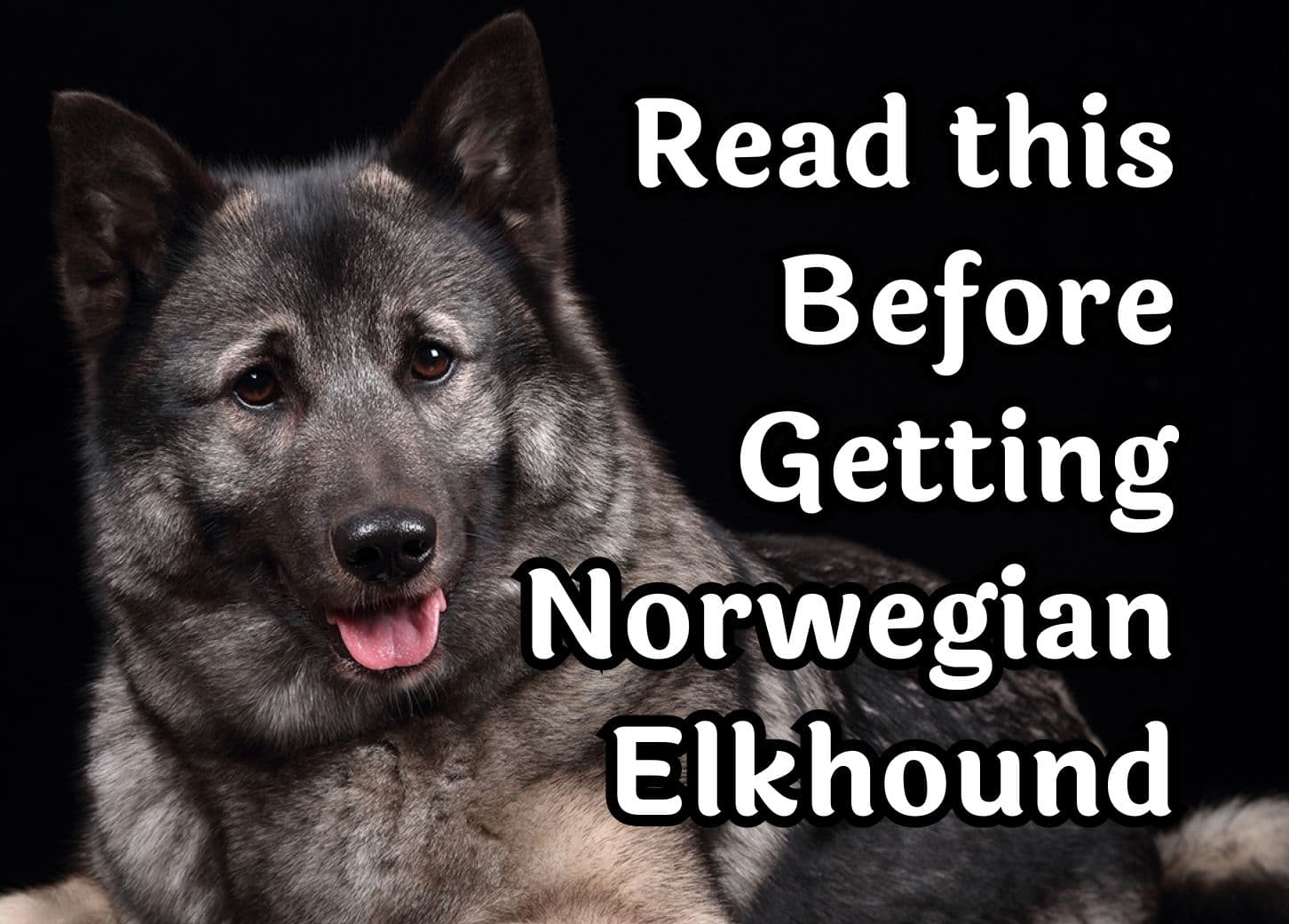
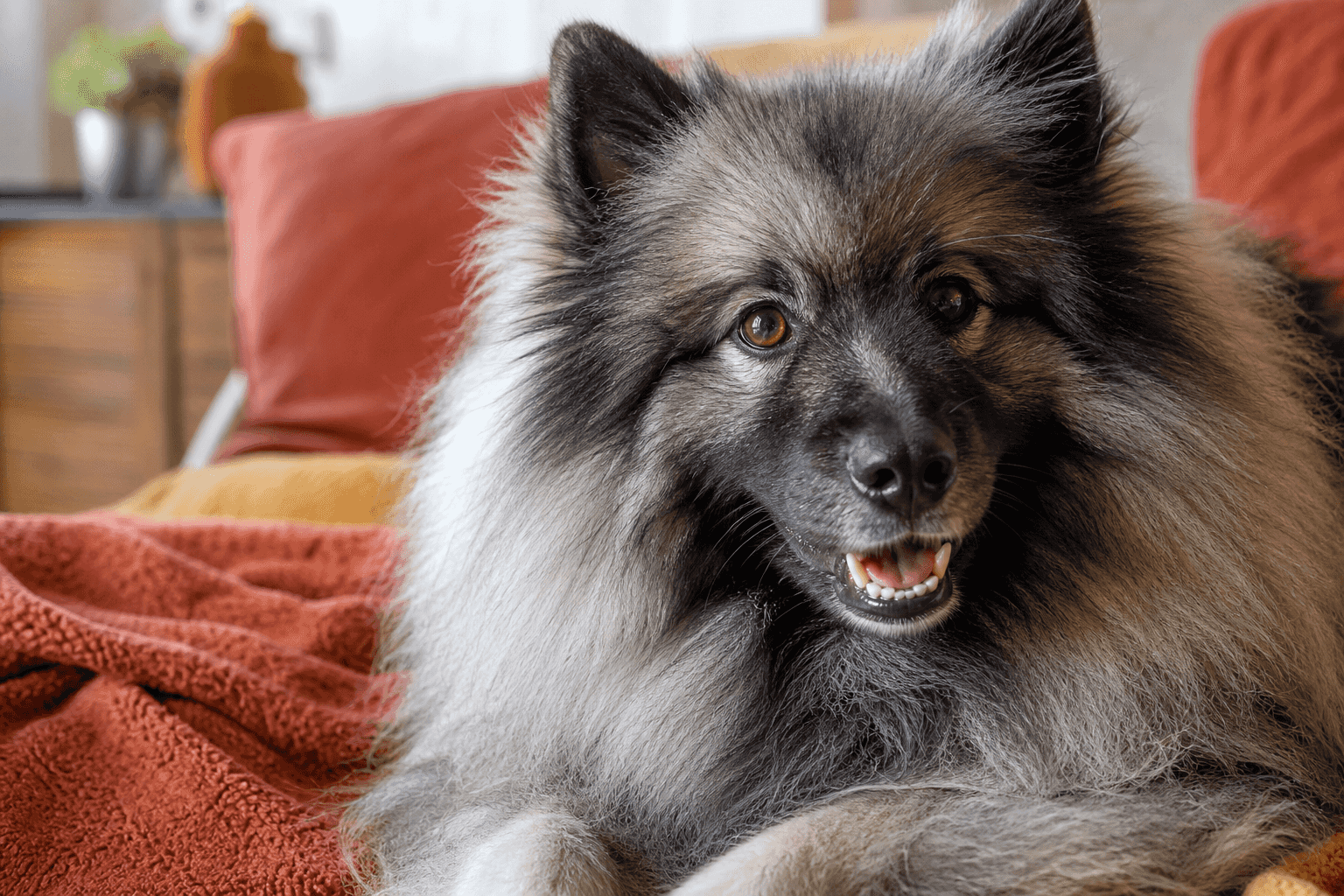
You saw a photo of a Norwegian Elkhound and thought: that is the dog for me. Wolfish looks, thick silver coat, a face that means business.
Here's the good news: behind that serious expression is a goofy, loyal, deeply people-loving companion.
Here's the catch: they're also loud, high-energy, stubborn, and they shed like it's their job.
So before you fall all the way in love, let's walk through what actually living with an Elkhound looks like — the personality, the exercise, the fur, the cost, and whether this breed fits your life.
| Category | Rating |
|---|---|
| Affection | |
| Trainability | |
| Exercise needs | |
| Grooming | |
| Good with kids | |
| Vocalness |
First, let's meet the dog behind that wolfish face.
Personality: Smart, Social, and a Little Stubborn
Picture the class clown who's also top of the class. That's the Elkhound.
They're clever, curious, and love being in the middle of the action. But they come with a strong independent streak that hunting breeds are famous for.
Here's what that means for you: training takes patience and consistency. Elkhounds respond beautifully to positive reinforcement — especially when treats are involved — but they'll happily ignore a command they find pointless.
Now, here's the part first-time owners often miss: they're extremely vocal.
Barking, howling, whining — Elkhounds treat sound as conversation. It's charming until it's 7 a.m. and your neighbor is knocking.
“They don't just bark. They talk — and they expect you to listen.”
Family Life: Great With Kids and Pets (Yes, Really)
You'd expect a moose-hunting dog to be a chaos machine around the house. Surprisingly, the opposite is true.
Elkhounds are gentle with children and often do well with other pets — including cats — when they're introduced properly.
Here's why: their prey drive is aimed at big game, not the family cat. They're far less likely to chase a housecat than a terrier would be.
Young kids
GreatGentle, sturdy, and playful — supervise as with any breed.
Other dogs
GoodPack-minded and social with proper introductions.
Cats
With careBig-game prey drive means less interest in chasing — introduce slowly.
Being left alone
RiskyBored, lonely Elkhounds get destructive. Not a leave-all-day breed.
At heart, this is a pack dog. They want to be near their people.
So what does that mean day to day? If an Elkhound isn't getting enough interaction and mental stimulation, boredom turns into chewing, digging, and barking. We'll come back to how to prevent that in a moment.
Now for the deal-breaker for a lot of people: exercise.
Energy Level: High. Really High.
Let's be blunt: these dogs need serious exercise.
We're talking a minimum of two long walks a day, plus active playtime. A quick loop around the block will not satisfy an Elkhound.
They thrive on hiking, running, scent games, and anything that lets them use both their body and their nose.
- Two long walks daily, minimum
- Hiking, jogging, or off-leash running in safe spaces
- Puzzle toys and scent work to tire the brain
- Assuming one short potty walk is enough
- Leaving them alone and inactive all day
Skip the exercise and two things happen fast: they gain weight, and they get restless — which loops right back to that destructive boredom.
Quick poll
How much daily exercise can you realistically commit to?
Can they live in an apartment? Yes — but only if you're truly committed to daily outings and training.
Ideally, they'd have a securely fenced yard to roam. Emphasis on securely — a bored Elkhound is a talented escape artist.
Grooming and Shedding: Get Your Brush Ready
Elkhounds wear a thick double coat built for Norwegian winters. Gorgeous? Absolutely. Low-maintenance? Not even close.
They shed year-round. And twice a year — spring and fall — they "blow" their coat.
What does blowing a coat look like? Imagine your couch quietly growing its own fur. That's the level we're at.
Coat care that actually keeps up
- Brush 3–4 times a weekMore during shedding season to stay ahead of the fluff.
- Book the occasional groomer visitA deshedding session during coat blows is worth every penny.
- Never shave the undercoatIt regulates their temperature in both cold and heat — shaving does real harm.
- Manage hot climatesPlenty of shade, air conditioning, and early-morning or evening walks.
And to answer the question everyone asks: no, they are not hypoallergenic.
The good news? This is a genuinely tough, healthy breed.
Health and Lifespan
Here's a real perk of the breed: Elkhounds are hardy.
They haven't been overbred, and they typically live 12 to 15 years — sometimes longer with good care.
That said, no breed is bulletproof. There are a few conditions worth knowing about.
Progressive retinal atrophy
A gradual eye condition that can affect vision. Reputable breeders screen for it.
Hypothyroidism
An underactive thyroid that a vet can diagnose and manage with medication.
Fanconi syndrome
A kidney-related condition seen in the breed — early vet attention matters.
Weight gain
Food-motivated and easily under-exercised — extra pounds strain the joints.
Rarity and Cost
You might be wondering why you rarely see one at the dog park. It's simple: they're genuinely rare.
Not just in the U.S. — even in Norway, strict breeding laws have made them hard to find.
That rarity shows up in the price tag.
Can you guess?
How much does a Norwegian Elkhound puppy cost?
Reputable breeder
Pros
- Health-tested parents
- Known temperament & lineage
- Ongoing breeder support
Cons
- Higher upfront cost
- Waitlists are common
Breed-specific rescue
Pros
- Lower cost
- Gives a dog a second home
- Often already trained
Cons
- Rarely available
- Less history on the dog
Say you bring one home. Here's what that first year actually looks like.
Your First Year With an Elkhound
The first twelve months set the tone for the next fifteen years. Here's the roadmap.
Weeks 8–12
Settling in
Focus on house training, a consistent routine, and gentle name recognition. Start rewarding calm, quiet behavior early.
3–6 months
Teething & socialization
Expose them to new people, sounds, and friendly dogs. Provide chew toys and begin short, positive training sessions.
6–12 months
Adolescent testing
Energy spikes and that stubborn streak shows up. Stay consistent, ramp up exercise, and don’t let boundaries slide.
12+ months
Hitting their stride
Your bond deepens and training pays off — but the high energy and vocal nature are here to stay for life.
Elkhound Myths, Busted
They were bred to track moose, not elk — and their job was to hold and alert, not attack. At home they’re affectionate and gentle, especially with family.
The looks are ancient, but the temperament is loyal and people-focused. They want to be with you, not roaming the wilderness.
Never. The double coat regulates temperature in heat as well as cold. Shaving makes them more vulnerable to the sun.
A yard helps, but Elkhounds need engaged activity — walks, hikes, games — not just space to wander alone.
Is a Norwegian Elkhound Right for You?
Pros
You'll love them if you're...
- Active and outdoorsy — daily hikes or runs
- Home often and want a devoted companion
- Okay with fur on everything you own
- Patient enough to train a clever, stubborn dog
Cons
Think twice if you...
- Live in noise-sensitive housing
- Work long hours away from home
- Want a low-maintenance, low-shed dog
- Are a first-time owner wanting an easy start
“They're not low-maintenance. But their affection and character more than make up for it.”
Frequently Asked Questions
They can be, but they’re not the easiest starter breed. Their stubbornness and exercise needs are a lot for a beginner. If you’re active, patient, and ready to commit to training, the bond is absolutely worth it.
Yes — this is one of the most vocal breeds you’ll meet. They bark, howl, and whine to communicate. Training and plenty of exercise help, but expect a talkative dog for life.
Not long. They’re pack dogs who crave company, and boredom quickly turns into destructive behavior. A few hours is fine; full workdays alone, day after day, are not a good fit.
Very. Despite their hunting roots, they’re gentle, sturdy, and playful with kids. As with any breed, supervise interactions with young children.
Often, yes. Their prey drive is aimed at big game, so they’re less likely to chase a cat than many breeds. Proper, gradual introductions are the key to success.
A lot. They shed year-round and blow their thick double coat twice a year in spring and fall. Plan on brushing several times a week — more during shedding season.
For most owners, it’s the combination of high exercise needs, heavy shedding, and constant vocalization. None of it is a deal-breaker if you’re prepared — but all three at once surprises unprepared owners.
Adolescent energy usually peaks between 6 and 12 months, and many settle somewhat after their first year or two. That said, this is a high-energy breed — they mellow, but they never become couch potatoes.