What to Think About Before Getting a King Shepherd
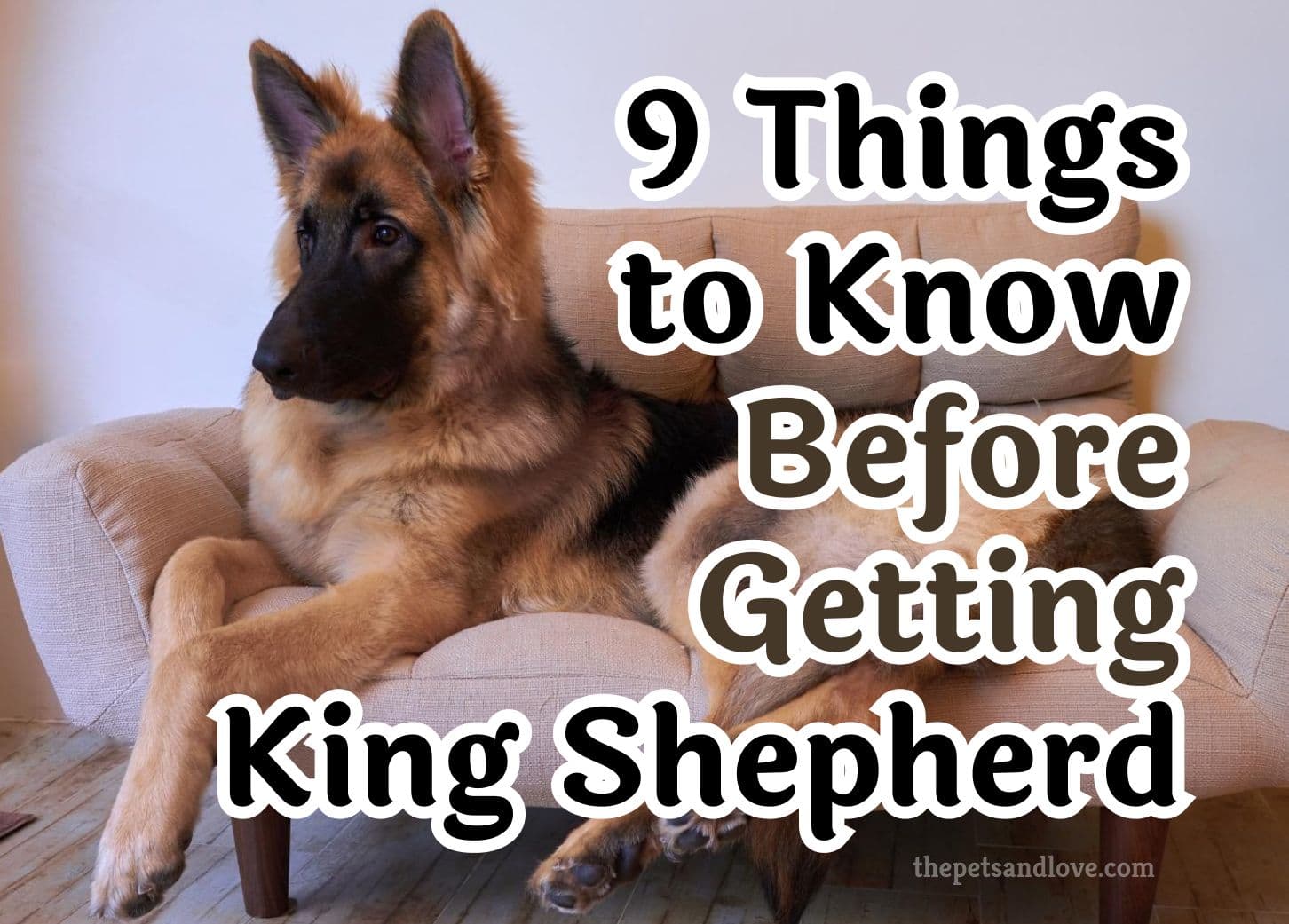
Thinking about getting a King Shepherd? You've probably seen photos of these wolf-like giants and felt your heart skip a beat.
Here's the good news: underneath that powerful frame is a loyal, whip-smart, surprisingly gentle companion.
But here's the catch — they're a big commitment. So before you fall head over heels, let's walk through exactly what life with a King Shepherd really looks like.
By the end, you'll know whether this gentle giant is your perfect match — or a mismatch waiting to happen.
What Exactly Is a King Shepherd?
Let's start at the beginning, because the King Shepherd's origin story explains a lot about who they are today.
They were created in the **1990s** by crossing German Shepherds with breeds like the **Alaskan Malamute, Akita, and Great Pyrenees**.
The goal? A larger, healthier, more family-friendly version of the classic GSD. And honestly — they nailed it.
These dogs look like oversized German Shepherds, but they tend to have **calmer temperaments** and **fewer inherited health problems**.
So they look intense — but are they actually good with families?
Are They Good Family Dogs?
Absolutely — but they're not for everyone.
King Shepherds are incredibly loyal and gentle with their people, kids included. Many owners describe their dog lying beside the baby's playmat like a furry bodyguard.
But here's the thing to keep front of mind: they're **big**. Like, *really* big.
They're not aggressive, but a happy, bouncy 130-pound dog can knock over a toddler without meaning to. Supervision isn't optional.
Young kids
Great, with supervisionGentle and protective — but their sheer size means always watch playtime.
Older kids & teens
ExcellentA loyal, active buddy who thrives on the attention.
Cats
With careCan coexist beautifully if socialized early and introduced slowly.
Other dogs
GoodEarly, patient socialization is the key to smooth introductions.
Big and loyal — but can you actually train all that intelligence?
How Easy Are They to Train?
Here's where it gets interesting: these dogs are smart. Like "figure out how to open your fridge" smart.
They genuinely want to please their people, which makes training easier than with many other large breeds.
Start early with **positive reinforcement**, and you'll be amazed how quickly they pick things up.
But that big brain has a downside — they get bored fast. A bored King Shepherd invents its own entertainment, and you probably won't love the results.
Golden rules for training a King Shepherd
- Start youngBegin socialization and basic obedience as early as possible.
- Keep sessions short and funFive to ten focused minutes beats a long, dull drill.
- Reward, don’t punishPositive reinforcement builds the trust these dogs thrive on.
- Add mental challengesPuzzle toys, scent games, and new tricks keep that clever mind busy.
“A tired King Shepherd is a good King Shepherd — and that means tiring the mind, not just the body.”
Speaking of tiring them out — let's talk exercise.
Do They Need a Lot of Exercise?
Yes. This is not a couch-potato breed.
Think of them as furry athletes. They need at least **1 to 2 hours of real exercise every day**.
A quick stroll around the block won't cut it. We're talking hikes, jogs, fetch, agility work — anything that works both body and brain.
Quick poll
How much daily exercise can you realistically commit to?
But what happens when you have to leave for the day?
Can You Leave Them Home Alone?
Not for long stretches.
Like many intelligent, affectionate breeds, King Shepherds are prone to **separation anxiety**.
If everyone in your household is gone 9 to 5 every single day, this might not be the right dog for you.
So what can you do if you do have to be away sometimes? A few solid options:
- Hire a dog walker for a midday break
- Enroll them in doggy daycare a few days a week
- Consider a second dog for company
Now, about the space they need to be happy.
Apartment or Yard? And How Big Do They Get?
They *can* live in an apartment with enough outdoor time — but they truly thrive with space.
A fenced yard where they can run and sniff to their heart's content is ideal. Without one, you'll need to double down on outdoor trips.
And when it comes to size — brace yourself. Males can reach **31 inches tall** and weigh up to **150 pounds**. Females are a bit smaller, but still substantial dogs.
Let's talk about that fur situation.
Speaking of Shedding...
Yes, they shed. A lot.
Especially during seasonal coat "blowouts" in spring and fall, when their double coat sheds in earnest.
The good news: regular brushing keeps it manageable.
- Brush at least every other day
- Brush daily during spring and fall shedding season
- Bathe occasionally and trim around ears and paws
- Book a groomer during heavy coat blowouts
- Expect them to be hypoallergenic — they’re not
- Shave the double coat to reduce shedding
Now for the topic that affects your dog's whole life: health.
What About Health?
Here's the encouraging part: one big reason this breed was developed was to sidestep the health issues common in purebred German Shepherds.
King Shepherds are generally healthier as a result. But they can still inherit certain conditions:
- Hip and elbow dysplasia
- Bloat
- Hypothyroidism
- Von Willebrand's disease
- Allergies
- Eye problems
Most of this comes back to one thing: **buy from a reputable breeder** who screens for these conditions and provides health certificates.
It makes a real difference to long-term vet bills and your dog's quality of life. Lifespan is around **10–11 years**, and with good care, many live longer.
And finally — the question everyone eventually asks: what will it cost?
How Much Do They Cost?
Let's talk numbers.
Can you guess?
What should you expect to pay for a King Shepherd puppy?
And remember — the sticker price is just the beginning. Big dogs come with big ongoing costs.
Annual Cost Breakdown
| Expense | Annual Cost |
|---|---|
| Food (large-breed diet) | $800–$1,200 |
| Routine vet & preventatives | $400–$700 |
| Grooming supplies & sessions | $150–$400 |
| Toys, gear & enrichment | $150–$300 |
| Daycare or dog walking | $300–$1,500 |
| Estimated yearly cost | $1,800–$4,100 |
Let's clear up a few myths before you decide.
King Shepherd Myths, Busted
Their looks are deceiving. King Shepherds are typically gentle, loyal, and affectionate with their families. Temperament comes down to breeding, socialization, and training — not appearance.
They share GSD ancestry but are a distinct crossbreed developed for larger size, calmer temperament, and fewer health issues.
A yard helps, but it’s no substitute for structured exercise and mental stimulation. They need engagement, not just space.
Healthier than purebred GSDs, yes — but between the shedding, exercise, and training needs, they’re a high-commitment dog.
Frequently Asked Questions
They can be, but only for committed first-timers. Their intelligence makes training rewarding, but their size, exercise needs, and shedding are a lot to manage. If you have the time and energy, they’re a loyal, trainable choice.
Ideally no more than 4–6 hours, and even then it depends on the individual dog. They’re prone to separation anxiety, so a home where they’re alone all day isn’t a good fit without daycare or a dog walker.
They’re alert and protective, so they’ll let you know when someone’s at the door. Excessive barking usually points to boredom or too little exercise — meet their needs and it settles down.
Yes, they’re typically gentle and protective with kids. The main caution is their size — always supervise play with toddlers, since a happy bump can knock a small child over.
They can be, especially when socialized early and introduced slowly. Patience is everything — rushing introductions is where most problems start.
For most owners, it’s the daily time commitment: 1–2 hours of exercise, regular brushing, ongoing training, and rarely leaving them alone for long. They give a lot, but they ask for a lot too.
Like many large breeds, they’re energetic puppies and adolescents. Many start to mellow around 2–3 years old, especially with consistent exercise and training.
Pros
Reasons to say yes
- Fiercely loyal and affectionate
- Highly intelligent and trainable
- Gentle and protective with family
- Generally healthier than purebred GSDs
- A stunning, impressive companion
Cons
Reasons to think twice
- Needs 1–2 hours of daily exercise
- Sheds heavily, year-round
- Prone to separation anxiety
- Large size needs space and strong handling
- Higher food and care costs

Sviatoslav Oleksiv founded The Pets and Love in 2019. A lifelong pet owner and Rhodesian Ridgeback enthusiast, he writes and edits our guides to help fellow pet parents give their animals the best care.
Every guide follows our editorial standards. This article is for informational purposes only and is not a substitute for professional advice — always consult a licensed veterinarian about your pet's health.