How to Keep Tokay Geckos: 17 Essential Tips
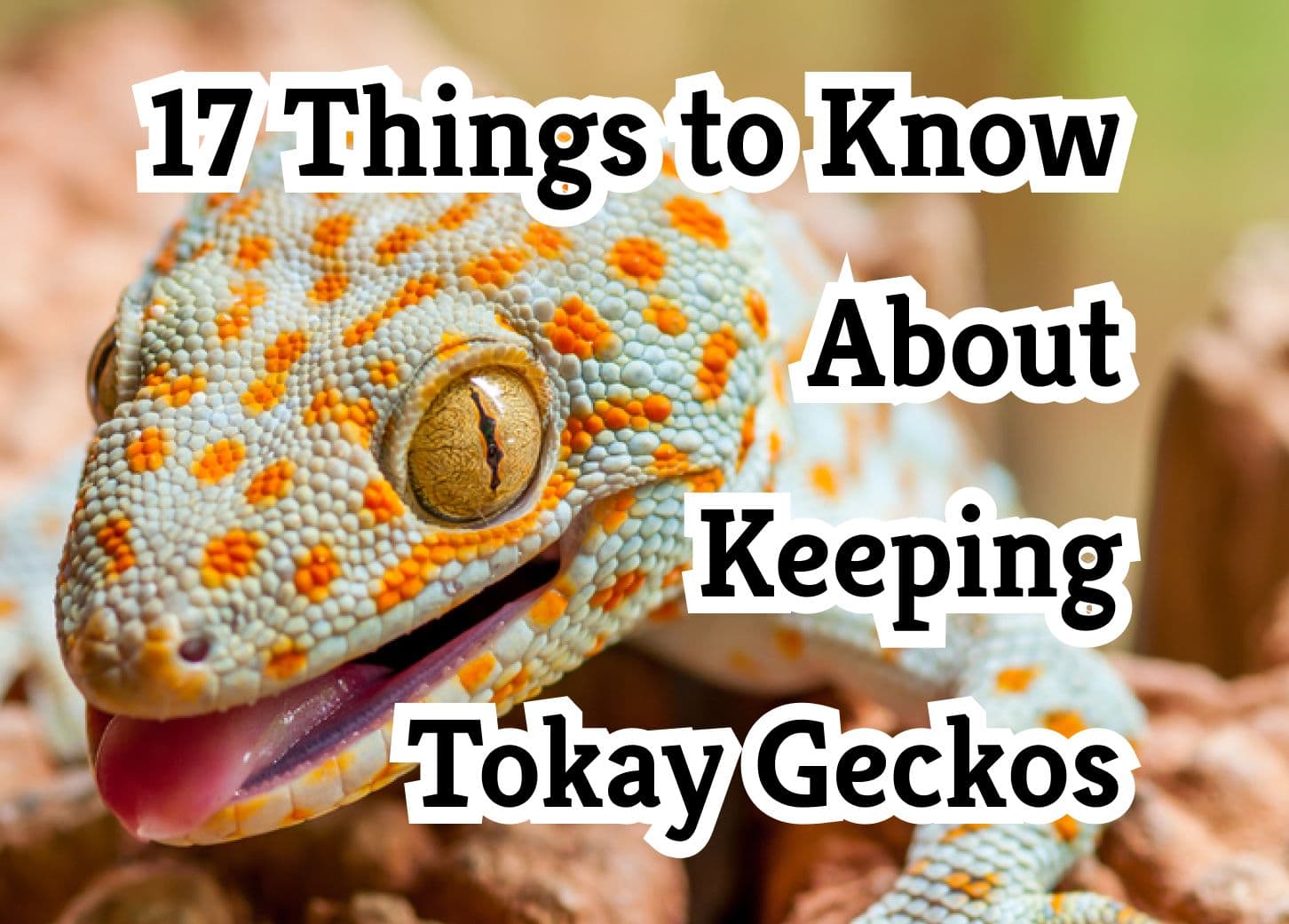
If you’ve ever locked eyes with a Tokay gecko, you don’t forget it. Electric-blue skin, orange spots, and a bark-like “To-kay!” call that echoes across a room.
They’re gorgeous. They’re bold. And they will absolutely bite you if you push your luck.
So here’s the honest truth: Tokays aren’t your average starter lizard. But if you know what you’re getting into, they’re one of the most rewarding reptiles you can keep.
Below is everything we’ve learned from keeping Tokays — and helping other people keep them without losing a finger.
Tokay Geckos: Not Your Average Pet Lizard
Let’s get this out of the way first: Tokays are not beginner pets.
They’re feisty, territorial, and quick to let you know when they’re unhappy — which, if you handle them too much, happens fast.
But for experienced keepers, or anyone genuinely up for a challenge, they’re a stunner. We love them for their bold colors, their acrobatic climbing, and their fierce little attitudes.
“They’re a bit like the grumpy old man of the gecko world: loud, opinionated, and oddly lovable once you earn their respect.”
| Category | Rating |
|---|---|
| Beginner-friendly | |
| Looks & personality | |
| Handling | |
| Care level | |
| Watchability |
First things first — the home they need.
What You’ll Need to Keep a Tokay Happy
Get the enclosure right and most of your problems disappear. Get it wrong and even a healthy Tokay turns stressed and defensive.
Here’s the setup we recommend, piece by piece.
1. A tall, secure enclosure
Tokays are arboreal — they live in trees, not on the ground. That means vertical space wins over floor space.
Start with at least a 20-gallon vertical terrarium, and go bigger if you can, especially for more than one gecko.
2. Plenty to climb and hide
Think branches, cork logs, vines, and multiple hides at different heights.
They use prehensile tails and sticky toe pads to explore, so vertical enrichment keeps them active and calmer.
3. Warmth and humidity
Coming from tropical Asia, Tokays need it warm and damp.
Use a heat lamp or ceramic heater, and track everything with a thermometer and hygrometer — guessing is how enclosures go wrong.
For humidity, mist daily and add a humidity box: a simple DIY hide packed with moist sphagnum moss works beautifully.
4. Lighting
Tokays are nocturnal, so UVB isn’t strictly required — but a low-level UVB light can support their overall health.
Want to watch them without ruining their night? A red or blue night light lets you observe while they stay in their natural rhythm.
5. The right substrate
For moisture retention and a natural look, we prefer coconut husk or orchid bark.
During a shed, we’ll sometimes switch to paper towels for a few days — easier to clean and easier to monitor.
Now, what goes in the food bowl.
Feeding a Tokay Gecko
These geckos are pure carnivores. There’s no dressing that up.
Live insects are the whole menu: crickets, cockroaches, mealworms, and superworms. Juveniles may nibble a little fruit, but bugs are the priority.
Juveniles
Feed daily to fuel fast growth.
Adults
Feed every two to three days.
Gut-load feeders
Feed your insects nutritious food first — a well-fed cricket is a better meal.
Dust it
Coat feeders in calcium and vitamin D3 powder for strong bones.
Here’s the part most people get wrong.
Handling and Temperament
This is where a lot of keepers struggle. So let’s be blunt.
Tokays don’t like to be held. They’re territorial — males especially — and when they feel threatened, they bite. And it hurts.
“Be prepared to admire them more than you handle them.”
That doesn’t mean there’s no hope. With patience and gentle, consistent interaction — especially in the evening when they’re active — some Tokays learn to tolerate handling.
How to build trust (slowly)
- Go slowShort, calm sessions beat long ones. Let them set the pace.
- Never force itGrabbing a stressed Tokay guarantees a bite and sets you back.
- Respect their boundariesAn open mouth or barking is a clear “back off” — listen to it.
- Work at nightThey’re calmer and more responsive when they’re naturally active.
Watch for These Health Issues
Tokays are tough, but they’re not invincible. Catch problems early and most are very manageable.
- Redness, swelling, or pus around the mouth (mouth rot / stomatitis)
- Lethargy or trouble shedding — possible parasites
- Sunken eyes or wrinkly skin — signs of dehydration
- Fresh water and steady humidity always available
- Regular sheds that come off cleanly
Thinking of getting a second one?
Can You Keep More Than One?
Sometimes — but tread carefully.
Two females
PossibleCan share a large enough space if introduced carefully and monitored.
Male + female pair
With careMay work — but expect breeding, and Tokays aren’t the most nurturing parents.
Two males
NeverThey will fight. Don’t risk it.
Frequently Asked Questions
Not really. They’re territorial, quick to bite, and demand a precise enclosure. They’re best for experienced keepers or someone genuinely up for a challenge.
Yes — and it hurts. Males especially are defensive. Respect their space, go slow, and don’t handle them more than they’ll tolerate.
Some tolerate it over time with patient, gentle evening sessions. But most Tokays will always prefer to be watched rather than held.
They’re carnivores. Live insects like crickets, cockroaches, mealworms, and superworms — gut-loaded and dusted with calcium and D3.
At least a 20-gallon vertical terrarium, bigger if possible. They’re arboreal, so height and climbing space matter more than floor space.
That loud “To-kay!” call is normal — it’s how they got their name. It can signal territory or a warning, so if it comes with an open mouth, give them room.