16 things to know before getting an Australian Terrier
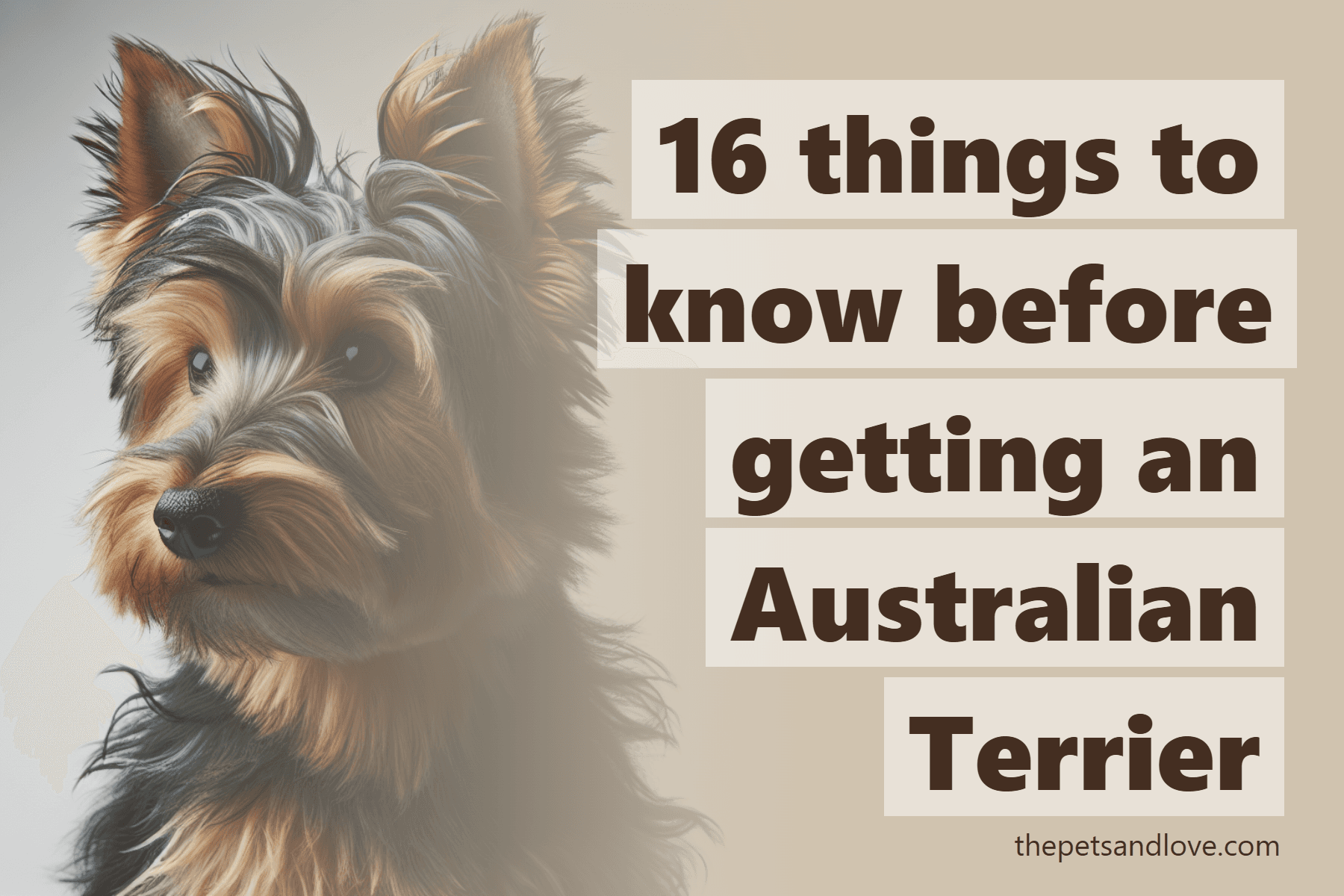
Thinking about bringing home an Australian Terrier? Then you already sense what most people miss: this is a big personality in a very small package.
They're smart, spirited, and endlessly loyal — but they are not your average lap dog.
Here's the good news: once you know how they tick, they're one of the most rewarding little companions you can own. This guide walks you through the 16 things that actually matter before you say yes.
Small but mighty (and built to work)
Don't let the size fool you. Australian Terriers stand just 10–11 inches tall and weigh around 12–14 pounds — but they carry themselves like a much bigger dog.
That confidence isn't an accident. They were originally bred to hunt vermin and snakes on Australian farms.
So what does that mean for you? That working-dog grit is still baked in. They're tough, alert, and determined — never shy, never dainty.
| Category | Rating |
|---|---|
| Affection | |
| Energy | |
| Trainability | |
| Alone Tolerance | |
| Prey Drive |
Let's start with something you'll do every single week.
Grooming: simple, but non-negotiable
Good news first: their wiry, weather-resistant coat doesn't shed much.
But here's the catch — "low-shed" doesn't mean "no maintenance." That coat still needs a weekly once-over to stay clean and tidy.
One spot people forget: the hair around the eyes. Left untrimmed, it can irritate them and cause squinting or tearing.
- Brush the coat weekly to prevent tangles
- Trim hair around the eyes to avoid irritation
- Clean ears and trim nails regularly
- Brush teeth to protect long-term dental health
- Bathe only when they get genuinely messy
Now for the part that makes owners fall in love.
A loyal, affectionate family dog
Australian Terriers want to be in the middle of everything. Cooking dinner? They're at your feet. Moving to the couch? They're already there.
Mine would follow me from room to room like a little shadow — that's the breed in a nutshell.
They're loyal, upbeat, and genuinely happiest when they're included in daily life.
“They're small, but they've got big hearts and even bigger energy.”
They're generally great with kids, too — with one condition.
Older kids
GreatGentle, respectful children make wonderful playmates for this energetic breed.
Young kids
With careNo ear-pulling or chasing. Teach little ones to handle them gently and supervise play.
Other dogs
Usually fineSlow, supervised introductions work best. Their bold streak can spark tension.
Small pets
RiskyHamsters and rabbits can look like prey. Best avoided in the same home.
Not a fan of alone time
Here's an honest deal-breaker for some homes: this breed does not do well being left alone all day.
Aussies bond deeply with their people. Long stretches of solitude can tip into separation anxiety — pacing, whining, chewing, or barking.
So what helped mine? Puzzle toys and a frozen Kong whenever I stepped out. It gave them a job and took the edge off the loneliness.
Which brings us to their biggest need of all.
High energy means they need a job
These are not couch potatoes. An under-exercised Aussie is a bored Aussie — and a bored Aussie gets creative.
Translation: holes dug in the yard, shoes chewed to pieces, and general mischief.
The fix is simple. Give them a daily outlet and they settle beautifully.
Brisk daily walks
A proper walk — not just a potty break — burns energy and satisfies their curiosity.
Games of fetch
Great for short bursts of high-intensity play, indoors or out.
Agility & tricks
Their brains crave a challenge as much as their bodies do.
A fenced yard (bonus)
Handy, but not essential — apartment dogs thrive with enough activity.
Keep them on leash. Always.
Now, here's where that hunting heritage bites back.
Their prey drive is strong. Cats, squirrels, birds — if it moves, they'll chase it, and they won't hear you calling.
Off-leash walks are risky unless you're in a fully secure area. I learned this the hard way once, and let's just say it turned into a very long game of "catch me if you can."
Leash rules that actually keep them safe
- Leash up in any open or unfenced spaceNo matter how good their recall seems on a calm day.
- Only unclip inside secure, enclosed areasA double-gated dog park or fully fenced yard.
- Stay alert near wildlife and small animalsA darting squirrel can override even trained recall in an instant.
They can coexist with other pets — with care
Good news: many Aussies live happily alongside other dogs and even cats.
But the introductions make or break it. Go slow, keep it supervised, and let both animals set the pace.
Smaller pets are a different story. Hamsters, rabbits, and other pocket pets can read as prey — so that pairing is best avoided entirely.
Ready for the part that trips up first-time owners?
Smart and eager — but stubborn
Here's the truth about training an Aussie: they're quick learners, and they'll happily work for treats and praise.
But they've also got an independent streak a mile wide. Push too hard, or drone on too long, and they'll simply check out.
They're not stubborn — they're smart and easily bored. Short, upbeat, reward-based sessions get excellent results.
Harsh methods backfire. Positive reinforcement builds a willing partner; force builds a resistant one.
They're alert watchdogs, not chronic barkers — nuisance barking almost always traces back to boredom.
Not big barkers — unless they're bored
Australian Terriers are naturally alert and make great little watchdogs. Mine announced every visitor before they reached the door.
Helpful? Usually. But under-stimulated, that watchfulness can slide into nuisance barking.
The answer isn't to silence them — it's to teach when to bark and when to settle, backed up by enough daily activity.
Health, diet, and everyday care
Let's break it down. Australian Terriers are generally a hardy, healthy breed, often living 12–15 years.
Still, no breed is bulletproof. Like all dogs, they can develop conditions worth watching for.
What this means in practice: a responsible breeder plus regular vet checkups is your best defense. Catching issues early keeps them small and manageable.
Diet: refreshingly low-drama
Here's a relief for busy owners — Aussies aren't finicky eaters.
They do well on a balanced, high-quality dog food, whether commercial or homemade (with your vet's guidance on the homemade route).
Frequently Asked Questions
They can be — they're smart, affectionate, and adaptable. The main challenges are their energy and independent streak, so a first-time owner willing to commit to daily exercise and consistent, positive training will do just fine.
Not long. They bond tightly with their people and can develop separation anxiety over long days alone. A few hours with puzzle toys or a frozen Kong is manageable; a full workday every day is not ideal for this breed.
They're alert watchdogs rather than chronic barkers. You'll hear about visitors and unusual sounds, but excessive barking usually signals boredom — more exercise and mental stimulation typically solves it.
Generally yes, especially with older, gentle kids. With younger children, teach respectful handling — no ear-pulling or chasing — and supervise playtime.
Many coexist happily with cats and other dogs when introductions are slow and supervised. Their strong prey drive makes small pets like hamsters and rabbits a poor match.
Meeting their energy and companionship needs. They need daily activity, mental engagement, and plenty of family time — they're rewarding, but not low-maintenance.
Absolutely, as long as they get enough daily exercise and attention. Stimulation matters far more than square footage for this breed.
Pros
Great fit if you...
- Want a loyal, affectionate companion
- Can commit to daily walks and play
- Enjoy short, fun training sessions
- Are home often or have flexible days
- Prefer a low-shed, easy-feeding dog
Cons
Think twice if you...
- Are away from home 8+ hours daily
- Want a hands-off, low-energy pet
- Have small caged pets like hamsters
- Can't commit to consistent training
- Expect an off-leash, low-prey-drive dog

Sviatoslav Oleksiv founded The Pets and Love in 2019. A lifelong pet owner and Rhodesian Ridgeback enthusiast, he writes and edits our guides to help fellow pet parents give their animals the best care.
Every guide follows our editorial standards. This article is for informational purposes only and is not a substitute for professional advice — always consult a licensed veterinarian about your pet's health.