How to Keep Your Dog Safe During Holiday Celebrations
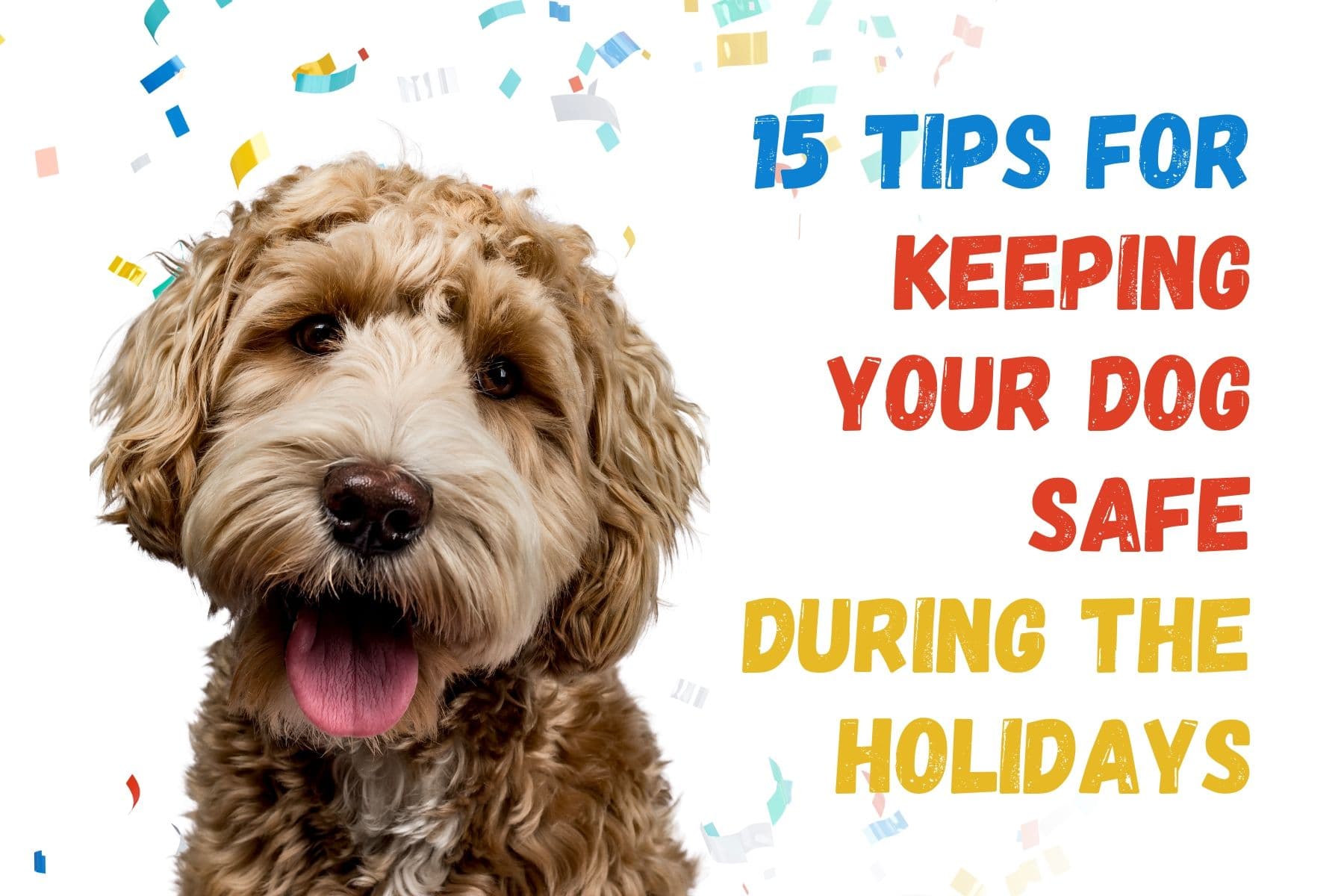
The holidays are a blast — twinkly lights, festive food, and family filling every room. But for your dog? All that chaos can be overwhelming, and honestly, a little dangerous.
Here's the good news: keeping your pup safe doesn't mean locking them away while everyone else has fun.
With a few smart tweaks, your dog can be right in the middle of the celebration — tail wags and all. Below are 10 field-tested tips we've learned (some of them the hard way) for a happy, hazard-free holiday.
Chocolate
Top holiday toxin for dogs
10 tips
To keep your pup safe
1 calm zone
Can prevent most stress meltdowns
1. Decorate Smart (and High!)
We all love a beautiful holiday setup. The problem? Sparkly ornaments and shiny tinsel look exactly like toys to a curious pup.
Our first Rhodesian Ridgeback treated the Christmas tree like an all-you-can-eat buffet. Lesson learned — fast.
Here's how to decorate without giving your dog a dangerous new snack drawer:
- Place fragile or small decorations higher up, out of reach
- Use shatterproof, pet-proof ornaments low on the tree
- Gate off the tree area if your dog is especially nosy
- Hang tinsel — it's tempting and dangerous if swallowed
Decorations sorted. Now let's talk about the one thing chewers love most.
2. Hide Those Wires
Holiday lights? Beautiful. Chewed wires? A trip to the emergency vet.
Cords are irresistible to teething puppies and bored chewers alike, and an electrical shock is a genuine emergency.
- Tuck cords behind furniture
- Cover exposed wires with cord protectors
- Keep light strings completely out of reach
- Leave loose cords dangling within nose height
3. Keep Toxic Foods Off the Menu
Those puppy eyes are powerful. But some of the most beloved holiday treats can seriously harm your dog.
Here's the kicker: many of the worst offenders are baked right into your favorite dishes.
🍫 Chocolate
The darker it is, the more toxic. Even small amounts can cause serious problems.
🍇 Grapes & Raisins
Found in fruitcake and stuffing. Can trigger kidney failure even in tiny amounts.
🧅 Onions & Garlic
Hidden in gravies, dressings, and casseroles. Damages red blood cells.
🍬 Xylitol
A sweetener in sugar-free gum and treats. Extremely dangerous, even in trace amounts.
Alcohol is another big one — keep unattended glasses well out of reach.
So what can they eat? Plenty of festive-friendly options:
- Crunchy carrots or cucumber slices
- Steamed green beans
- Plain cooked turkey or chicken (no seasoning, no skin)
Food handled. Next up: the invisible stress your dog might be carrying.
4. Create a Calm Zone
Between the guests, the music, and the doorbell going off every five minutes, the holidays can be a lot for a dog.
Even the most social pup needs somewhere to decompress.
Set up a quiet retreat in a low-traffic room:
- A cozy bed or crate they already love
- Soft music or white noise to muffle party sounds
- A favorite chew or long-lasting toy
We always make sure our dog has a "safe zone." When things get loud, it makes a genuine difference — they can slip away instead of shutting down.
“A dog that can escape the chaos is a dog that stays calm through it.”
How to spot a stressed dog
Dogs rarely announce their stress. They show it in small ways that are easy to miss when your house is full.
Watch for these quiet signals:
- Constant lip-licking or yawning when not tired
- Tucked tail, flattened ears, or a "whale eye" (whites showing)
- Panting when it isn't hot
- Retreating, hiding, or refusing treats
If you see these, guide your dog to their calm zone. Pushing them to "be social" usually backfires.
5. Watch the Doors (They Might Bolt!)
Loud noises, open doors, and a stream of unfamiliar faces can spook even the steadiest dog.
We've had close calls during big parties — now we're borderline paranoid about it, and for good reason.
- Keep doors and windows secure during gatherings
- Use baby gates near main entrances
- Remind arriving guests to close doors quickly
- Make sure your dog wears an ID tag and is microchipped
Now for a couple of tips people always get wrong.
6. Skip the Bones — But Never the Water
Tossing your dog a leftover turkey bone feels like a treat. It's actually a hazard.
Cooked bones splinter easily and can cause choking or internal injuries.
Give these instead:
- Store-bought dog treats or dental chews
- Carrot or cucumber slices
- Plain cooked turkey or chicken, no seasoning
And here's one people forget entirely: water.
Warm houses, travel, and non-stop excitement mean dogs often forget to drink. Set out extra bowls, and pack a portable one if you're heading out.
7. Mind the Plants, Candles, and Guests
A few finishing touches to holiday-proof your home.
Plants and candles
Several festive plants are toxic to dogs — poinsettias, holly, and mistletoe among them. Keep them well out of reach, or skip them entirely.
Candles look gorgeous, but a wagging tail can knock one over in an instant. We switched to flameless LED candles: same glow, zero fire risk.
Setting boundaries with guests
Not everyone knows how to read a dog, and well-meaning visitors can push your pup past their limits.
Before guests arrive, give them the quick rundown:
The house rules for guests
- No feeding without asking firstOne "harmless" scrap could be a toxic one.
- Respect the calm zoneIf the dog retreats to their spot, leave them be.
- Supervise the kidsWatch for rough play — it stresses dogs and can lead to snaps.
Keep it clean
More decorations and gifts mean more small hazards on the floor.
- Clean up broken ornaments or glass immediately
- Store scissors, ribbon, and string safely away
- Keep gift wrap and packaging out of paw's reach
Dose matters, but dark chocolate and baking chocolate are dangerous even in small amounts — and reactions vary by dog. Never risk it.
They absolutely do not. Curiosity and food drive override instinct — which is exactly why prevention is your job, not theirs.
Even social dogs can hit overload from noise and constant attention. A calm zone helps every dog, sociable or not.
Quick poll
What's your biggest holiday worry for your dog?
Frequently Asked Questions
Chocolate, grapes and raisins, onions and garlic, xylitol (a sweetener in sugar-free products), and alcohol top the list. Many are hidden inside gravies, baked goods, and stuffing, so keep all human dishes off-limits.
Call your vet or an animal poison control line immediately. Don't wait for symptoms, and don't try to make your dog vomit unless a professional tells you to. Have the packaging or a sense of how much was eaten ready.
Set up a quiet calm zone in a low-traffic room with a bed, a chew, and soft background noise. Let your dog retreat there whenever they want, and ask guests not to disturb them there.
They can be, with precautions. Anchor the tree so it can't topple, keep fragile ornaments high, skip tinsel entirely, and block access to the water basin, which can harbor bacteria or additives.
Plain, cooked, unseasoned turkey meat with no skin or bones is fine in small amounts. Avoid anything cooked with butter, onion, garlic, or gravy — and never give cooked bones, which can splinter.
Use baby gates near entrances, keep doors secure, and ask guests to close doors quickly. Make sure your dog wears an ID tag and is microchipped, and consider a GPS collar tracker for extra security.
Poinsettias, holly, and mistletoe are all toxic to varying degrees. Keep them well out of reach or opt for pet-safe or artificial alternatives.