What You Should Know Before Adopting an Afghan Hound
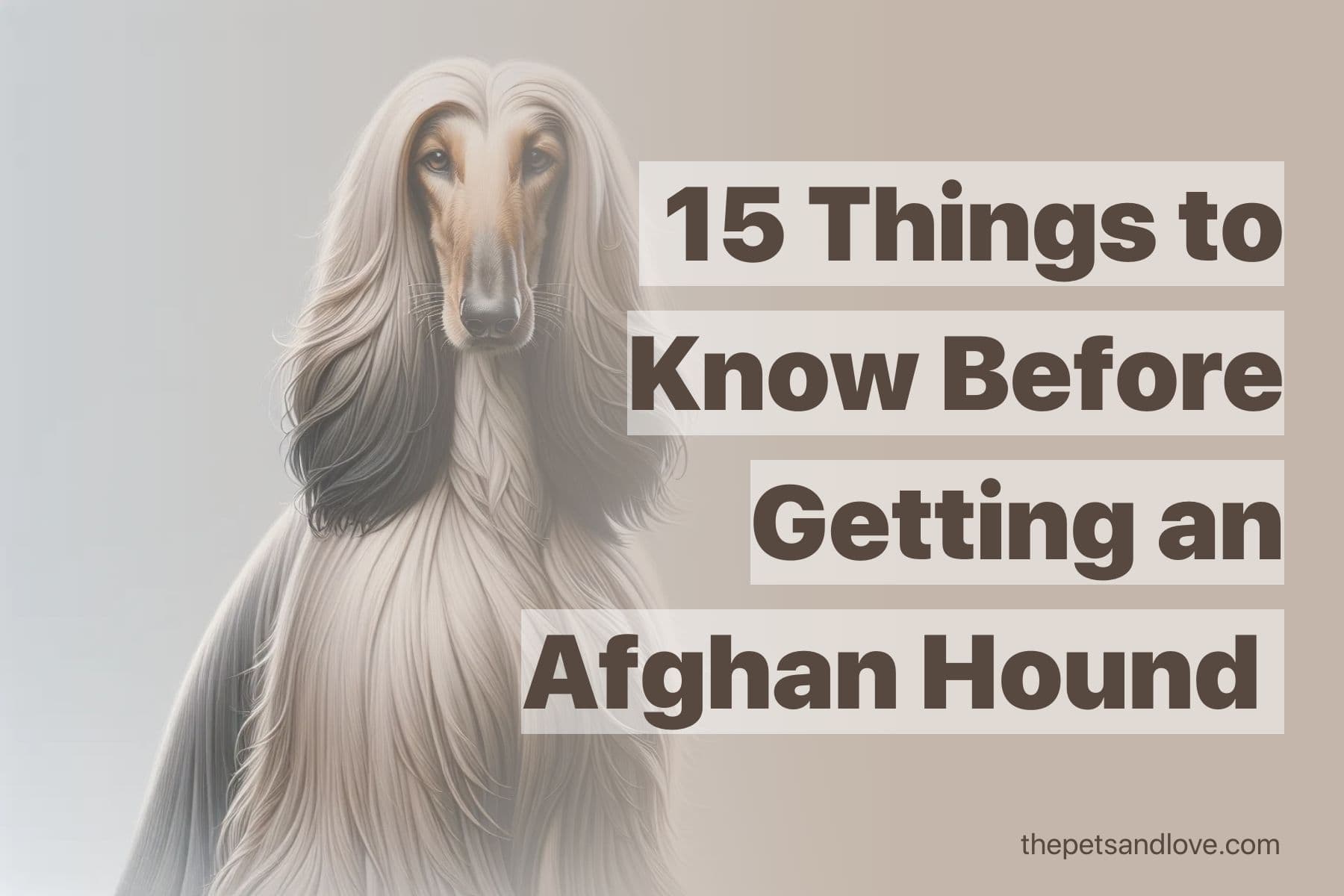
Thinking about bringing home an Afghan Hound? You've probably fallen for the look — that silky, flowing coat and runway-model stride that turns heads on every walk.
Here's the truth, though: owning one is nothing like admiring one.
These dogs are elegant, quirky, and famously independent. They can also be a genuine handful. So before you commit, let's walk through exactly what life with an Afghan Hound really looks like — the grooming, the stubborn streak, the surprising apartment-friendliness, and who this breed is (and isn't) for.
Let's start with the thing that scares off most people — and for good reason.
First, the coat everyone falls in love with (and later regrets).
1. They're High-Maintenance in the Grooming Department
That long, glamorous coat is the whole reason people fall for Afghans. It's also the whole reason people give up on them.
Here's the catch: that hair tangles at the drop of a hat.
You'll need to brush several times a week and bathe your dog roughly weekly to keep mats from forming. Skip it, and the coat quickly turns into painful clumps that pull at the skin.
But grooming isn't the only place Afghans need a gentle touch.
2. They're Sensitive — Physically and Emotionally
Afghan Hounds are built lean, with low body fat. That elegance comes with a real trade-off: they can be more sensitive to anesthesia than many breeds.
So here's a rule worth following: find a vet who genuinely understands sighthounds before you need one.
Like many purebreds, they can also be prone to certain health issues over their lifetime, which makes regular checkups non-negotiable.
Hip dysplasia
Common in larger breeds. Keep your dog lean and avoid overexertion while joints are still developing.
Bloat
A serious risk in deep-chested dogs. Split meals and avoid heavy exercise right after eating.
Skin allergies
That fine coat sits over sensitive skin. Watch for itching, redness, or hot spots.
Eye problems
Routine vet checks help catch changes early, before they affect vision.
On the emotional side, Afghans don't handle chaos well.
Loud homes, sudden schedule changes, or rough handling can genuinely stress them out. They thrive in calm, predictable environments where they know what to expect.
“Afghans do their best living in a home that feels steady, quiet, and respectful of their space.”
3. Training Isn't Easy — But It's Worth It
Afghans are famously independent. They're smart — make no mistake — but they don't live to please you the way a retriever does.
Think more "cat energy" than "eager puppy."
What does that mean for you? Patience, humor, and a whole lot of positive reinforcement.
The golden rules of Afghan training
- Reward, never punishHarsh corrections make an Afghan shut down and lose trust. Treats and praise get you far more cooperation.
- Stay consistentMixed signals confuse an independent thinker. Keep commands and rules identical every time.
- Keep it short and funLong, repetitive drills bore them. Short, upbeat sessions keep them engaged.
- Respect goes both waysWork with their personality, not against it. Force backfires with this breed.
Now, about that legendary drive to run.
4. They Need Room to Run — and a Serious Fence
Afghan Hounds were bred to chase prey across rugged mountain terrain. Thousands of years later, that instinct hasn't gone anywhere.
A quick stroll around the block simply won't cut it.
They need space to truly sprint, ideally in a large, securely fenced area. And "securely" is the key word here.
- Daily off-leash sprinting in a safe, enclosed space
- A tall, secure fence with no gaps or easy footholds
- Mental stimulation alongside physical exercise
- Relying on just a walk around the block
- Trusting them off-leash in open, unfenced areas
5. They're Not the Cuddliest Dogs
If you're dreaming of a velcro dog glued to your lap, adjust your expectations now.
Afghans can be aloof, even with their favorite people. They bond deeply and stay loyal — they're just not the type to smother you in kisses.
With strangers, they tend to be reserved and cool.
6. Quiet, Clean, and Surprisingly Apartment-Friendly
Here's where Afghans pleasantly surprise people.
They don't bark much. They're clean. And they shed very little — a real bonus for allergy-prone households.
As long as they get enough physical and mental stimulation, they can adapt nicely to apartment living.
Quick poll
What worries you most about owning an Afghan Hound?
7. Are They Good With Kids?
Honestly? It depends on the kids.
Afghans are sensitive and don't enjoy rough handling. That long coat is also awfully tempting for a toddler to grab — and your dog will not appreciate the tug.
Toddlers
Not idealGrabbing, tugging, and unpredictable movement stress this sensitive breed.
Older kids
Much betterChildren who understand boundaries and gentle handling can build a great bond.
Calm households
Great fitPredictable, quiet homes are exactly where Afghans thrive.
Busy, chaotic homes
ToughLoud, hectic environments tend to overwhelm them.
8. They Thrive on Quality Food
Lean and athletic, Afghan Hounds do best on high-quality nutrition that fuels their build.
Most do well on around 2 to 2.5 cups of dry food per day, split into two meals. Protein should be a major part of the diet.
And if your dog is especially active? They'll burn through calories fast, so adjust portions to match their energy.
So who is this breed actually right for?
9. They Live Long — and They're Not for First-Timers
Here's some good news: Afghans typically live 12–15 years, which is impressive for a dog this size.
With good care and a solid diet, they can be your companion for well over a decade.
But — and this is a big but — between the grooming, the stubborn training, and the serious exercise demands, this is not a beginner's dog.
Pros
You'll love an Afghan if you…
- Have experience with independent breeds
- Enjoy (or can outsource) regular grooming
- Have secure space for a dog to sprint
- Prefer a calm, quiet, dignified companion
- Value loyalty over constant cuddles
Cons
Look elsewhere if you want…
- A first dog that trains itself
- A velcro lap dog that adores everyone
- A low-maintenance, wash-and-go coat
- A dog for a loud, chaotic household
- Instant obedience on command
They're actually very intelligent — just independent. They weigh whether a command is worth following, which is a thinking dog's trait, not a lack of one.
Afghans actually shed very little, which is great for allergy sufferers. The catch is that the coat mats without regular brushing.
They can adapt to apartments surprisingly well — as long as they get real daily exercise and mental stimulation.
Frequently Asked Questions
Generally no. Between demanding grooming, an independent streak in training, and high exercise needs, they're best suited to patient, experienced owners who understand the breed's quirks.
No — they're one of the quieter breeds. As long as they get enough physical and mental stimulation, they tend to be calm and clean around the home.
They do better with older kids who respect boundaries. Toddlers who grab and tug can overwhelm this sensitive breed, so supervision and gentle handling are essential.
A lot. Plan to brush several times a week and bathe roughly weekly to prevent painful mats. A shorter "puppy cut" is a popular way to reduce the workload if you're not showing your dog.
Yes, surprisingly well. They're quiet and shed little, but the daily exercise still has to happen — a bored Afghan in a small space gets stressed and restless.
Typically 12–15 years, which is long for a large breed. With good nutrition and regular vet care, many stay healthy companions for well over a decade.
It's simply part of their personality. Afghans bond deeply and stay loyal, but they're naturally reserved and not big cuddlers. Early socialization helps, but don't expect a lap dog.