Top 15 Smartest Dog Breeds
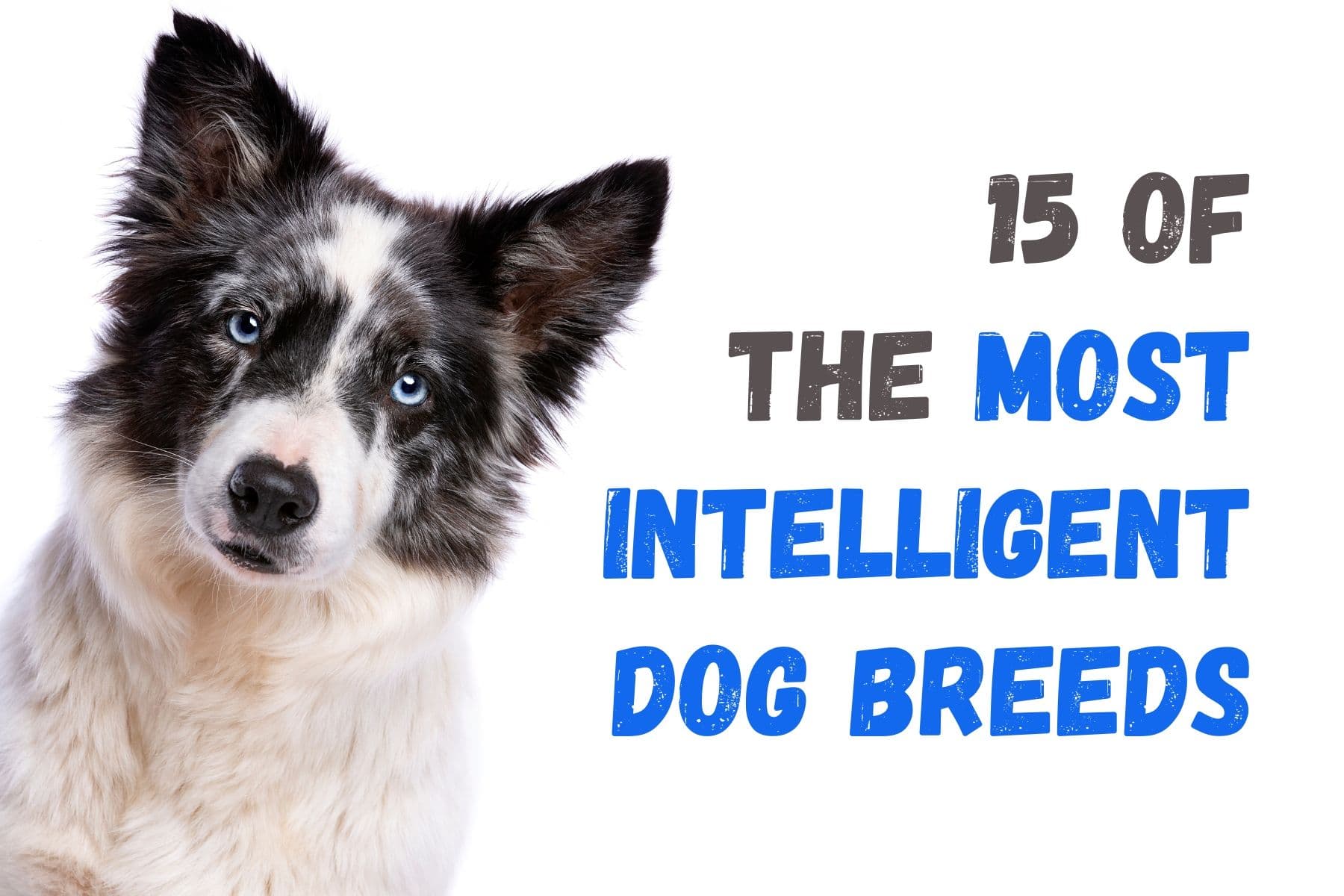
Ever feel like your dog is one step ahead of you? For some breeds, that's not your imagination—it's genetics.
Certain dogs are simply wired to learn fast, solve problems, and stay endlessly engaged. And if you pick one, you get a brilliant teammate for life.
But here's the catch: smart dogs come with a plot twist most people don't expect.
Below, you'll meet 15 of the most intelligent dog breeds—what makes each one special, and which might actually fit your life.
“Intelligence doesn't mean easy. It often means the opposite.”
The Genius Tier
These are the breeds that top nearly every intelligence ranking. They learn commands in a handful of repetitions—and they never stop watching you.
1. Border Collie
If you're after a canine Einstein, this is it.
Border Collies are workaholics—herding, agility, obedience, you name it. They're happiest with a job to do.
Skip the daily training and mental games, and they'll invent their own "work"—like herding your kids or redecorating your couch.
2. Poodle (Standard, Miniature, Toy)
Don't let the fancy haircut fool you. Poodles are razor-sharp.
They're also incredibly versatile, shining everywhere from hunting fields to therapy visits. Their hypoallergenic coat is a bonus for allergy-prone homes—just be ready for regular grooming.
3. Shetland Sheepdog (Sheltie)
Think Border Collie in a smaller, fluffier package.
Shelties are fast learners that excel at obedience and agility. They're sensitive and affectionate, though a little shy with new faces—and yes, they may try to herd your kids too.
Next up: the brainy breeds that also happen to be wonderful with families.
Smart & Family-Friendly
Not every genius dog needs a farm. These breeds pair clever minds with people-loving hearts.
Golden Retriever
The ultimate family dog—eager to please, gentle, and highly trainable. A favorite for service roles thanks to its calm nature. Just plan for daily exercise; these are no couch potatoes.
Labrador Retriever
Friendly, goofy, and smart. Labs adore people, making them fantastic therapy and service dogs. Training is usually a breeze—but daily activity keeps boredom (and destruction) at bay.
Papillon
A tiny dog with a big brain. Papillons learn tricks fast and love to show off. Social and affectionate, though early socialization helps ease their wariness of strangers.
Bernese Mountain Dog
Gentle giants with sweet souls. Smart and eager to please (with an occasional stubborn streak), they thrive when included in everyday family life.
Now for the high-octane working breeds—brilliant, but not for the faint of heart.
High-Drive Working Dogs
These dogs were bred to work all day. Their intelligence comes bundled with serious energy and drive.
| Category | Rating |
|---|---|
| German Shepherd | |
| Doberman Pinscher | |
| Rottweiler | |
| Australian Cattle Dog | |
| Belgian Malinois |
Some smart dogs would rather do it their own way. Let's meet them.
Clever & Independent
Here's where intelligence gets tricky. These breeds are undeniably smart—they just don't always feel like listening.
Bloodhound
The nose knows.
Bloodhounds are scent-tracking legends—smart, but gloriously stubborn. Give them a scent to follow and you'll cease to exist, so a leash is non-negotiable.
Siberian Husky
Independent, clever, and a notorious escape artist.
Huskies were bred to run and pull sleds, not sit still. They're headstrong, so training takes patience—but they reward the right guidance with loyalty and social charm.
Welsh Corgi (Pembroke & Cardigan)
Don't underestimate those short legs.
Corgis are quick learners and natural herders, brimming with energy. Consistent training channels that drive in the right direction.
Quick poll
Which type of smart dog fits your life best?
Before you fall in love, read this. It changes everything.
The Smart-Dog Reality Check
Here's the plot twist we promised at the top.
Intelligence doesn't automatically mean "easy." In fact, highly intelligent breeds often need more attention, structure, and stimulation—not less.
A bored genius doesn't just nap. It problem-solves your trash can, your fence, and your patience.
Pros
What you gain
- Learns commands and tricks fast
- Excels at agility, obedience, and dog sports
- Deep, engaged bond with you
- Endlessly rewarding to train
Cons
What it demands
- Needs daily mental AND physical exercise
- Gets destructive when under-stimulated
- Can outsmart you (yes, for treats)
- Not ideal for hands-off, low-time owners
Frequently Asked Questions
The Border Collie consistently tops intelligence rankings for its lightning-fast learning and problem-solving. But "smartest" depends on the job—Bloodhounds crush scent work, while Malinois dominate protection and detection roles.
Not harder—but more demanding. Intelligent breeds learn quickly, yet they also get bored quickly and test boundaries. They need consistent, engaging training rather than repetitive drills.
Golden Retrievers and Labrador Retrievers are the gentlest entry points. They combine high trainability with an easygoing, eager-to-please temperament that forgives beginner mistakes.
Absolutely. A bored intelligent dog will invent its own entertainment—chewing, digging, escaping, or "herding" your family. Daily mental games and puzzle toys are essential.
Many are excellent—Goldens, Labs, and Berners are famously family-friendly. Herding breeds like Collies and Corgis may try to herd small children, so early training and supervision help.
A lot. Breeds like the Border Collie, Malinois, and Australian Cattle Dog need substantial daily physical exercise plus mental work. A quick walk around the block won't cut it.
It depends on your commitment, not your square footage. With enough daily exercise and mental stimulation, even a Border Collie can adapt—but low-effort apartment life will backfire fast.

Sviatoslav Oleksiv founded The Pets and Love in 2019. A lifelong pet owner and Rhodesian Ridgeback enthusiast, he writes and edits our guides to help fellow pet parents give their animals the best care.
Every guide follows our editorial standards. This article is for informational purposes only and is not a substitute for professional advice — always consult a licensed veterinarian about your pet's health.