13 Things to Know Before Owning a Cavapoo
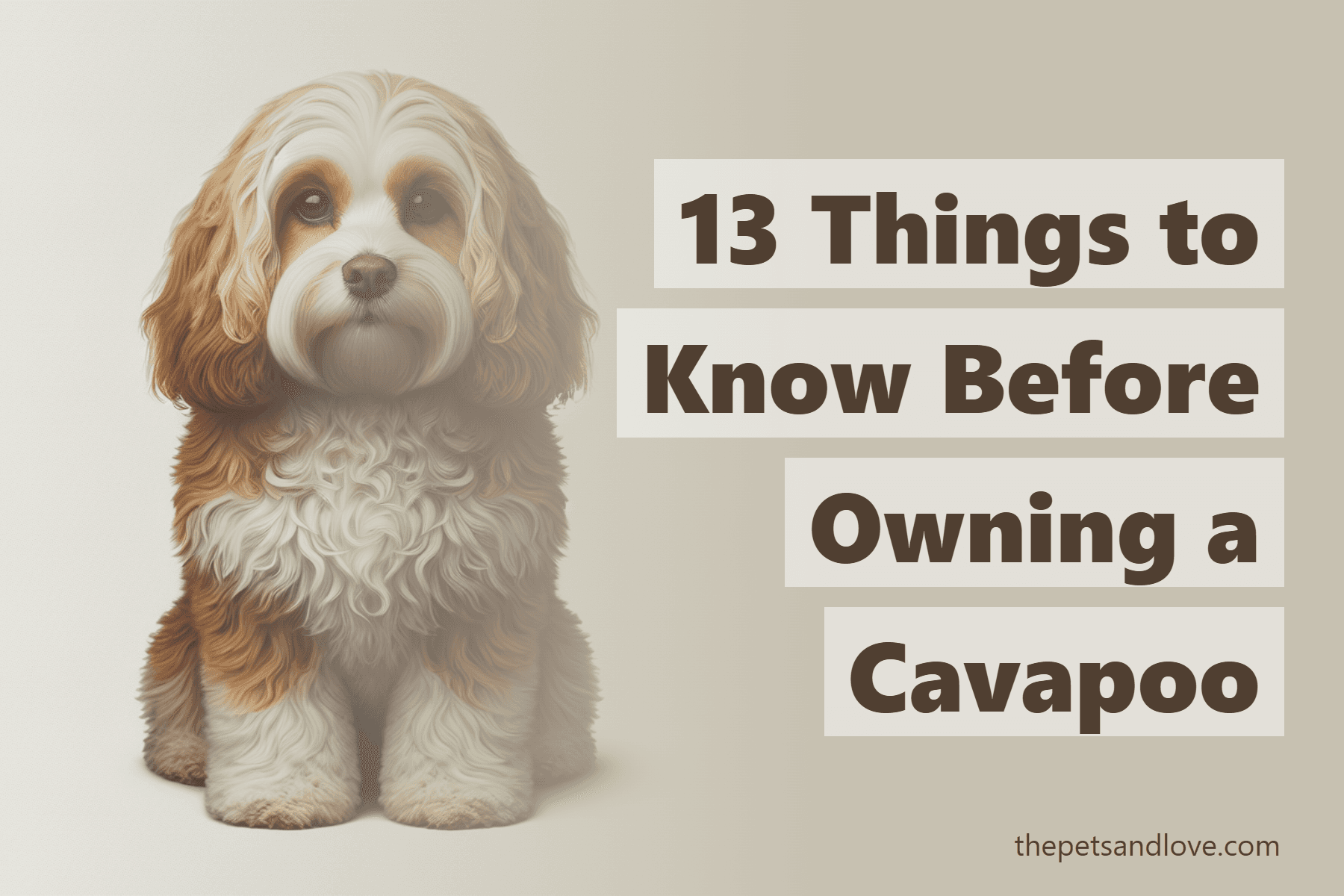
Thinking about bringing home a Cavapoo? You already know the face is impossible to resist — but the face isn't the whole story.
Here's the good news: these Poodle-meets-Cavalier King Charles Spaniel pups really are as sweet, smart, and cuddly as they look.
The catch? A few quirks can surprise first-time owners — from separation anxiety to a coat that mats if you blink.
So before you fall head over heels, let's walk through what a Cavapoo is actually like to live with, what they need from you, and whether one fits your family.
Cavapoo at a Glance
Before the details, here's the quick snapshot for the scanners.
| Category | Rating |
|---|---|
| Affection | |
| Trainability | |
| Good with kids | |
| Grooming needs | |
| Alone time |
First, the thing most people get wrong about Cavapoos.
1. Cavapoos Are Mixed — And That Means Variety
Because they're a crossbreed, Cavapoos don't come with a one-size-fits-all template.
Their coat can be fluffy and curly like a Poodle, or softer and straighter like a Cavalier.
Colors range widely too — solid cream or apricot, chestnut-and-white, even tricolor.
Here's the part that trips people up: personality varies just as much as looks.
The chill one
Some lean Cavalier — calm, happy to lounge on the couch beside you.
The energizer
Others lean Poodle — busy, playful, always ready for the next game.
Curly coats
Lower shedding, but tangle fast without frequent brushing.
Wavy coats
A little easier to maintain, still need regular upkeep.
2. Friendly, Loving, and Deeply Social
Cavapoos are companion dogs to their core. They bond hard with their people and thrive on attention.
If you love cuddles, chatting with your dog, and having a furry shadow follow you room to room — you'll adore this breed.
“A Cavapoo doesn't just want to be near you. It wants to be with you — ideally on your lap.”
But that same devotion has a downside.
Cavapoos struggle when left alone for long stretches. Boredom and loneliness can turn into barking, chewing, or full-blown separation anxiety.
3. Great for Families — With a Small Catch
Cavapoos are gentle, playful, and usually wonderful with kids and other pets.
So what's the catch? They're small and a little delicate, especially as puppies.
Young kids
Great with supervisionSweet-natured, but too fragile for rough toddler play.
Older kids
ExcellentPlayful, affectionate, and love the attention.
Other dogs
FriendlySocial by nature; early introductions help.
Cats
Usually fineGentle temperament makes cohabiting easy.
Teach children to be gentle and calm, and always supervise playtime. A little coaching now prevents accidental bumps later.
Now, that famous 'hypoallergenic' claim — is it true?
4. Hypoallergenic? Sort Of.
Thanks to their Poodle genes, many Cavapoos are low-shedding and may be easier on allergy sufferers.
But here's the honest truth: no dog is truly 100% hypoallergenic.
They shed less than many breeds, which helps — but they still produce dander and saliva, the real allergy triggers. No dog is guaranteed allergen-free.
The opposite. Low-shedding coats trap loose hair, which mats fast. Less shedding actually means more brushing.
5. Grooming Is Non-Negotiable
That gorgeous coat comes with a job attached.
Cavapoo fur tangles easily, especially the curly kind. Skip the brushing and you'll be dealing with painful mats fast.
- Brush a few times a week (daily is even better)
- Regular baths to keep the coat clean and soft
- Trim nails before they click on the floor
- Clean ears to prevent infections
- Brush teeth for long-term dental health
- Wait until adulthood to start handling them
Good news for training — these pups are seriously clever.
6. Super Smart — and Sensitive
Cavapoos are clever and eager to please, which makes training a genuine pleasure.
But sensitivity is the flip side of that intelligence. Harsh tones and scolding shut them down fast.
Cavapoo training rules
- Lead with positive reinforcementPraise, treats, and play get far better results than corrections.
- Start socialization earlyExpose your puppy to new people, sounds, and dogs while they're young and open.
- Keep sessions short and funA few five-minute bursts beat one long, boring drill.
- Feed their brainPuzzle toys and trick training tire them out as much as a walk.
Small dog, surprising energy. Here's how much they need.
7. Daily Exercise and Play
Cavapoos are small, but they've got real energy to burn.
30–60 min
of daily activity keeps a Cavapoo happy and out of trouble
Think walks, fetch, and even a little agility if you're feeling ambitious.
Miss those needs and a Cavapoo will invent their own entertainment — usually your shoes or a fresh hole in the yard.
Quick poll
What's your ideal daily exercise plan?
8. They're Indoor Dogs at Heart
Cavapoos love the outdoors — but only when you're right there with them.
They're not built for extreme weather and should never be left outside overnight or alone in the yard.
Pros
Warm-weather care
- Always provide shade
- Keep fresh water available
- Avoid midday heat walks
- Watch for overheating
Cons
Cold-weather care
- A doggy sweater helps
- Booties protect little paws
- Keep walks shorter
- Bring them indoors to sleep
Now the part every owner should read: health.
9. Health: Mostly Good, But Know the Risks
Cavapoos are generally healthy and often live 10–14 years or more with good care.
Still, like all breeds, they can inherit conditions from either parent.
Heart concerns
Inherited from the Cavalier side; regular vet checks help catch issues early.
Hip & knee issues
Hip dysplasia and patellar luxation can affect small mixes.
Eye disorders
Conditions like PRA are worth screening parents for.
Ear infections
Floppy, hairy ears trap moisture — routine cleaning matters.
10. Watch That Waistline
Cavapoos love food, and those pleading eyes are hard to resist.
But extra weight strains their joints, heart, and lifespan — so portion control is real love.
Keep the weight in check
- Stick to a feeding scheduleMeasured meals beat free-feeding.
- Go easy on treatsUse tiny pieces for training, not extra full snacks.
- Match food to activityA couch-loving Cavapoo needs less than a busy one.
- Ask your vetGet feeding guidance based on age, size, and energy.
Bringing one home? Here's what the first year looks like.
The First Year, Step by Step
Weeks 8–12
Settling in
House training starts, plus gentle handling and short alone-time practice.
3–6 months
Teething & socialization
Expose them to new people, dogs, and sounds. Offer safe chews for sore gums.
6–12 months
Adolescent testing
Energy spikes and boundary-pushing. Stay consistent with training.
12+ months
Settling into adulthood
Personality solidifies; routines and habits are locked in.
Frequently Asked Questions
Yes — they're one of the friendliest, most trainable choices out there. Just be ready for the grooming commitment and their need for company.
A few hours at most once they're trained. They're prone to separation anxiety, so long full days alone aren't a good fit for this breed.
Not excessively by nature, but a bored or anxious Cavapoo will bark more. Enough exercise, stimulation, and company usually keeps it minimal.
Very — they're gentle and playful. Supervise young kids since Cavapoos are small and can be injured by rough play.
Usually yes. Their social, easygoing temperament makes them great housemates, especially with early, calm introductions.
For most owners, it's the grooming upkeep and the fact that they don't like being left alone for long stretches.
Many mellow out around 12–18 months as they leave adolescence, though the Poodle-leaning ones may stay playful longer.
No dog is fully hypoallergenic, but their low-shedding coat is often easier on allergy sufferers. Spend time with one before committing.

Sviatoslav Oleksiv founded The Pets and Love in 2019. A lifelong pet owner and Rhodesian Ridgeback enthusiast, he writes and edits our guides to help fellow pet parents give their animals the best care.
Every guide follows our editorial standards. This article is for informational purposes only and is not a substitute for professional advice — always consult a licensed veterinarian about your pet's health.