13 Big Dog Breeds Suitable for Apartment Living
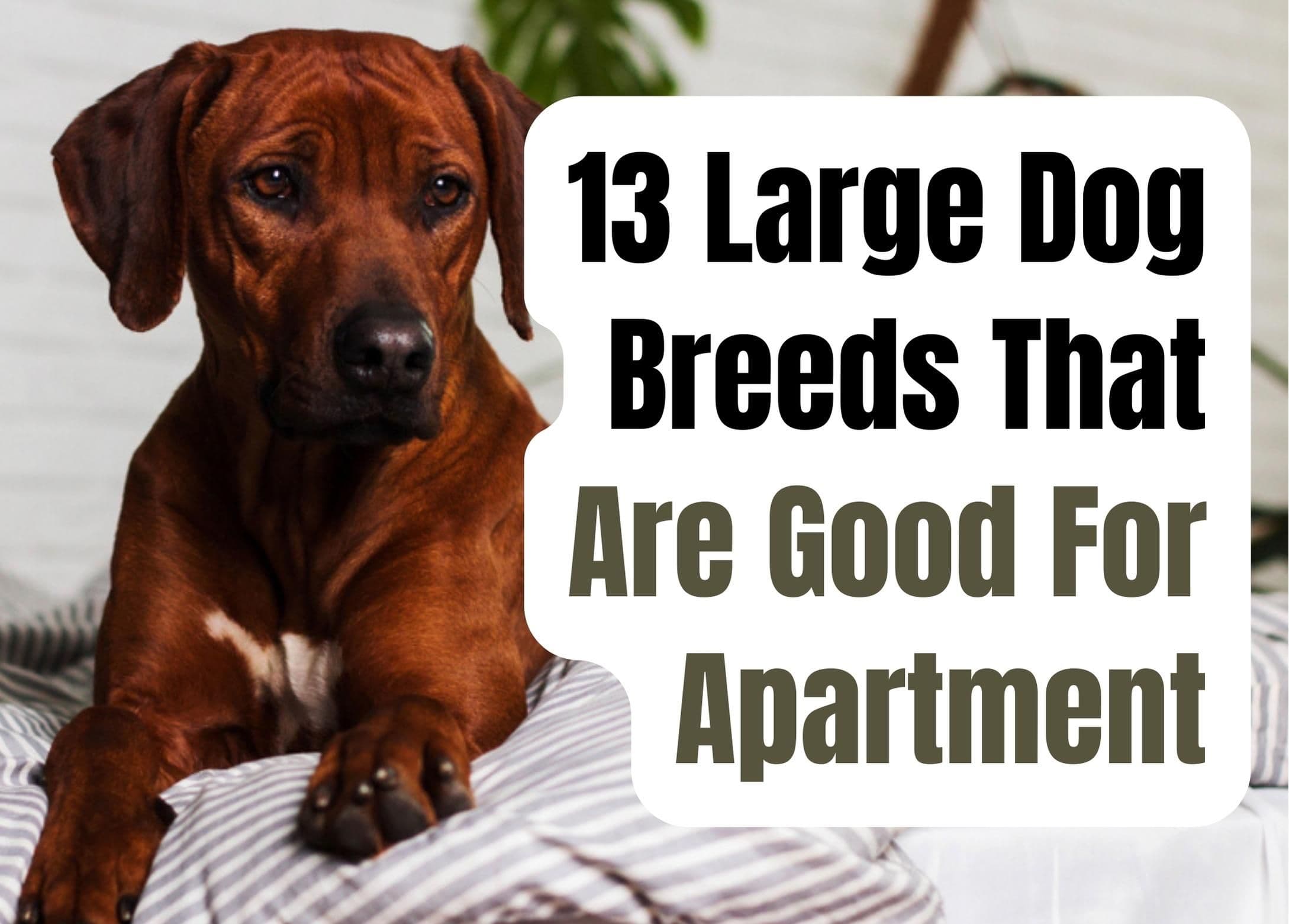
Think a big dog and apartment living can't mix? Plenty of gentle giants would beg to differ.
Here's the truth most people miss: the best apartment dogs aren't always the smallest ones. They're the calm ones.
Some of the biggest breeds out there are total couch potatoes once they mature — quiet, mellow, and happiest sprawled across your feet.
Below, you'll find 13 large breeds that genuinely thrive in smaller spaces, plus the real-world tips that make it work.
Size Isn't the Deal-Breaker — This Is
Let's clear something up right away: a dog's size tells you surprisingly little about how well it'll handle apartment life.
What really matters comes down to three things.
Temperament
A calm, laid-back dog fits a small space better than a hyper one — no matter the breed.
Energy Level
Many giant breeds are low-energy indoors and happy to lounge for hours.
Barking Habits
Quiet breeds keep the peace with neighbors in close quarters.
Your Commitment
Daily walks and mental stimulation are non-negotiable, whatever the breed.
“It's not about the breed — it's about the match between your lifestyle and your dog's needs.”
So which big dogs actually make the cut? Let's meet them.
13 Big Dogs That Do Surprisingly Well in Apartments
These breeds share one thing in common: they're big on love and low on chaos.
1. Great Dane
These gentle giants are famously mellow. Despite their enormous size, most Danes are incredibly laid-back and love lounging around.
They need daily walks, but they're not hyper or demanding indoors. Just make sure you've got space for them to stretch out — these dogs are convinced they're lapdogs.
2. Bullmastiff
Quiet, loyal, and super low-energy, Bullmastiffs were bred to guard estates — not run marathons.
They're protective but not aggressive, and they rarely bark. Their stoic nature makes them excellent apartment dogs, especially with consistent structure.
3. English Mastiff
Even bigger than the Bullmastiff, but just as chill. These dogs are surprisingly gentle and affectionate.
The only real challenge? Their sheer size. Navigating tight hallways and small elevators can get interesting.
4. Saint Bernard
Sweet and goofy, Saint Bernards are calm indoors and typically great with kids.
They don't need tons of exercise, but they do need space to lie down and cool off — they run hot with all that fur. And yes, be ready for some drool.
5. Newfoundland
Affectionate and gentle, Newfies are basically giant teddy bears. They're not barkers, and they love lounging around.
Just be prepared for serious grooming and a lot of hair come shedding season.
6. Irish Wolfhound
Tall but not rowdy, Irish Wolfhounds are surprisingly low-key.
They might look like they belong in the wilderness, but they're calm, gentle, and very affectionate. One thing to prepare for emotionally: their shorter lifespan.
7. Afghan Hound
Independent and elegant, Afghan Hounds tend to be quiet and aloof.
They enjoy lounging and aren't overly needy, which works well in apartment settings. That coat, though — it needs regular upkeep.
8. Bernese Mountain Dog
Calm, loyal, and good-natured, Berners can be happy in apartments as long as they get regular walks.
They're not barky, but they do shed… a lot. Daily brushing keeps the fur tumbleweeds under control.
9. Dogue de Bordeaux
These stocky French mastiffs are affectionate and surprisingly chill. They love their people but don't demand constant attention.
Heads up: they have a shorter lifespan and can be prone to joint issues, so a ground-floor apartment or elevator access is ideal.
10. Cane Corso
Strong and protective but deeply attached to their family, Cane Corsos can be great apartment dogs with the right training.
They need confident owners and clear boundaries — but they aren't hyper or noisy.
11. Rhodesian Ridgeback
Athletic but not hyper indoors, Ridgebacks are calm, affectionate companions as long as they get solid daily exercise.
“My first dog was a Ridgeback. Mine loved curling up after a long walk and barely made a peep.”
12. Boxer
Boxers are playful and full of personality, but they adapt well to smaller spaces if you give them enough activity.
They're kind of like toddlers — high-energy spurts followed by long naps. Daily playtime is the key.
13. Standard Poodle
Often overlooked as a large breed, Standard Poodles are smart, active, and very trainable.
They're great for apartments if you keep them mentally stimulated. Bonus: their curly coat barely sheds — a huge plus in tight spaces.
Quick poll
Which of these big breeds would you actually adopt for apartment life?
Now here's what makes or breaks apartment life with a big dog.
A Few Real-World Tips
Picking the right breed is only half the battle. These practical details are what separate a happy setup from a stressful one.
Big-Dog Apartment Ground Rules
- Watch the stairsStairs are tough on big dogs, especially as they age. No elevator and not on the ground floor? Think twice.
- Never skip the walkEven chill dogs need to stretch their legs and sniff the world. Skipping walks leads to boredom and behavior issues.
- Mind the noiseQuieter breeds like Bullmastiffs, Newfies, and Saint Bernards are a better fit for close living quarters.
- Floor space beats yard spaceA comfy bed, some toys, and your company matter more than a backyard — as long as you walk them regularly.
Frequently Asked Questions
Absolutely. Many large breeds are calm, low-energy couch potatoes indoors. As long as you meet their needs for daily walks, mental stimulation, and companionship, floor space matters far more than a yard.
Bullmastiffs, Newfoundlands, and Saint Bernards are among the quietest. Their stoic, mellow temperaments make them ideal for close living quarters where noise can be a problem.
Most of these breeds tolerate alone time reasonably well once they mature, but no dog should be left for very long stretches. Provide toys, a comfortable spot to rest, and a solid walk before you leave to prevent boredom-driven behavior.
Stairs are hard on large breeds, especially as they age or if they are prone to joint issues. If you are above the ground floor without an elevator, seriously reconsider — or choose a younger, more agile breed and monitor their joints closely.
Not necessarily. Regular daily walks and playtime can fully meet their exercise needs. Floor space to stretch out and consistent outings beat an unused yard almost every time.
The Standard Poodle is a great starting point — smart, trainable, and low-shedding. Newfoundlands and Great Danes are also forgiving thanks to their calm, gentle natures.

Judith Aleguen is a freelance writer, editor, and shelter volunteer who fosters rescue cats and dogs. She turns hands-on experience into practical, easy-to-read pet care guides.
Every guide follows our editorial standards. This article is for informational purposes only and is not a substitute for professional advice — always consult a licensed veterinarian about your pet's health.