12 Tips to Prevent Dog Motion Sickness on Car Rides
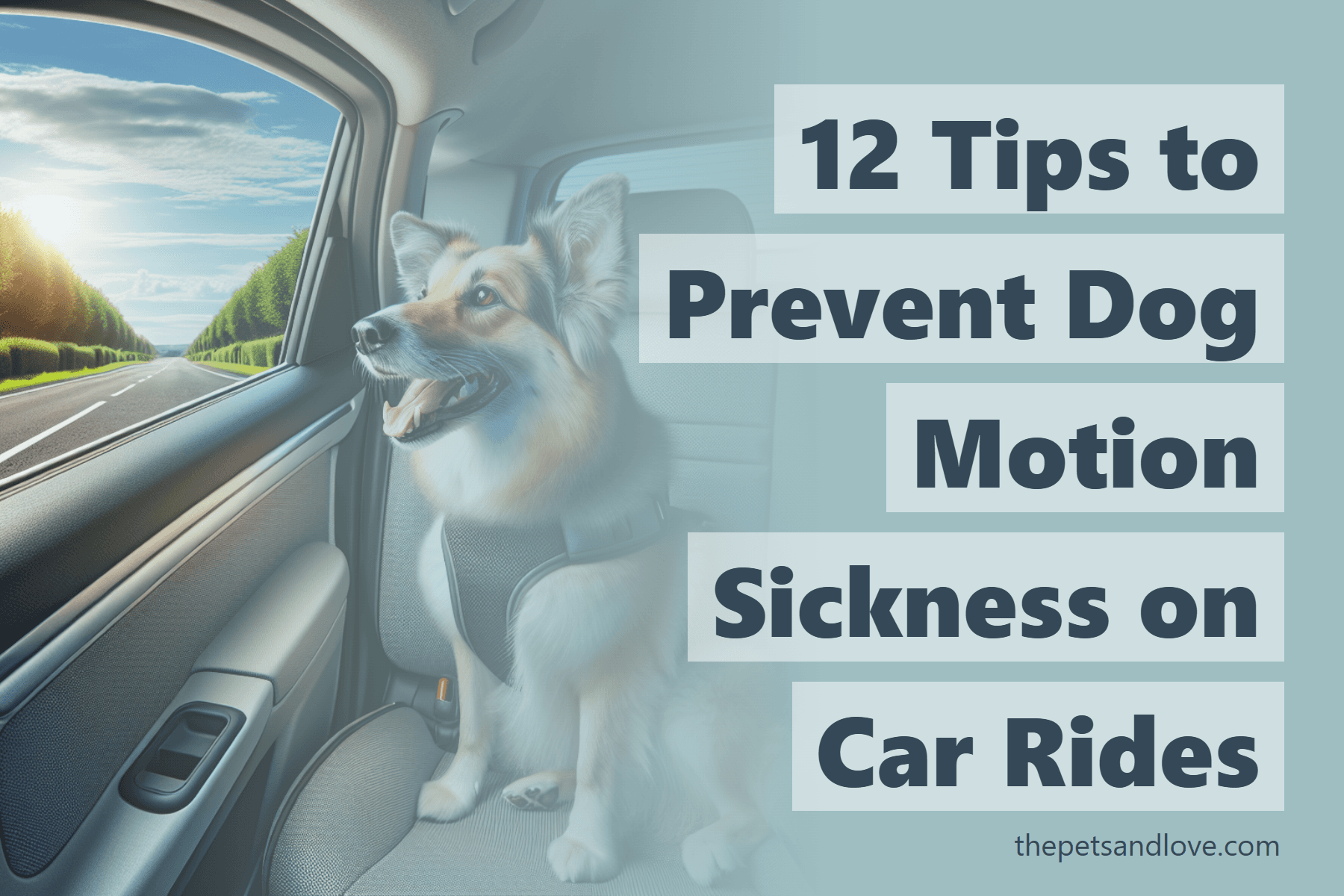
If your dog struggles with car sickness, you’re definitely not alone — we’ve been there too. Nothing takes the joy out of a road trip faster than a queasy pup. But the good news is, with a few practical steps and a little patience, most dogs can learn to ride comfortably.
Here’s what’s worked for us and other dog parents we know:
Start Slow and Make It Positive
If your dog isn’t used to car rides (or hates them), don’t jump straight into a long trip. Start with short drives around the block. Keep it low-stress — maybe end the ride at a park or a spot they love. Gradually build up the time they spend in the car. That slow introduction really helps reduce anxiety and motion sickness.
Secure Your Dog for Comfort and Safety
A dog that’s sliding around or trying to balance during a drive is more likely to feel sick. We’ve had the best luck using a crash-tested harness or a well-ventilated crate. It not only keeps them safe but helps them feel more stable — which makes a big difference for motion sickness.
Don’t Feed Right Before the Ride
A full belly + a bumpy car = not a great combo. We usually avoid feeding our dog for at least 2–3 hours before a trip. If it’s a long drive, we’ll bring some light snacks and water for breaks, but skipping a full meal beforehand helps a lot.
Keep the Air Fresh and Flowing
Good ventilation is key. Crack a window or use the A/C to keep cool, fresh air moving. Avoid strong smells in the car — no air fresheners, perfumes, or smoking. Dogs’ noses are way more sensitive than ours, and even subtle odors can trigger nausea.
Make the Car Comfortable
If it’s too hot or stuffy, your dog might start panting, which can make them swallow air and feel worse. We always make sure the car stays cool — especially on longer rides or warm days. A portable fan or sunshade can help if your car heats up fast.
Take Breaks — Often
On long drives, we stop every couple of hours to let our dog stretch, sniff around, and take bathroom breaks. It resets them a bit and helps prevent that “trapped in a moving box” feeling. A short walk and some fresh air can do wonders.
Try Natural Calming Aids (with Caution)
Some dogs respond well to pet-safe essential oils like lavender or ginger. A light scent on a blanket or bandana can help soothe them — just make sure it’s diluted and approved by your vet. Never apply oils directly to their skin without guidance.
Ask Your Vet for Help
If your dog is really struggling despite your best efforts, don’t hesitate to talk to your vet. There are safe anti-nausea meds and calming supplements that can make a huge difference. We’ve used vet-prescribed options for longer trips and had great results.
Keep the Car Clean
Any lingering smells — especially from past accidents — can trigger queasiness. We give the car a quick clean before a trip and use pet-safe cleaners to keep things fresh. A clean space also just helps everyone feel more relaxed.
Stay Calm, Stay Positive
Our dogs pick up on our energy. If we’re tense or frustrated, they feel it. We’ve learned to keep things upbeat, use a calm voice, and offer praise or a treat when our dog handles the ride well. It helps build positive associations with the car.
Distract Them with Something Fun
A special chew or toy that only comes out during car rides can keep their mind off the motion. We also like playing soft music or an audiobook — it seems to calm the whole vibe. Anything that redirects their focus from the car’s movement helps.
And Finally — Be Patient
Some dogs outgrow car sickness with time. Others just need slow, steady practice. Keep the experience positive, and don’t be discouraged if it takes a while.
The goal isn’t just to prevent messes — it’s to help your dog feel comfortable and safe by your side, wherever the road takes you.