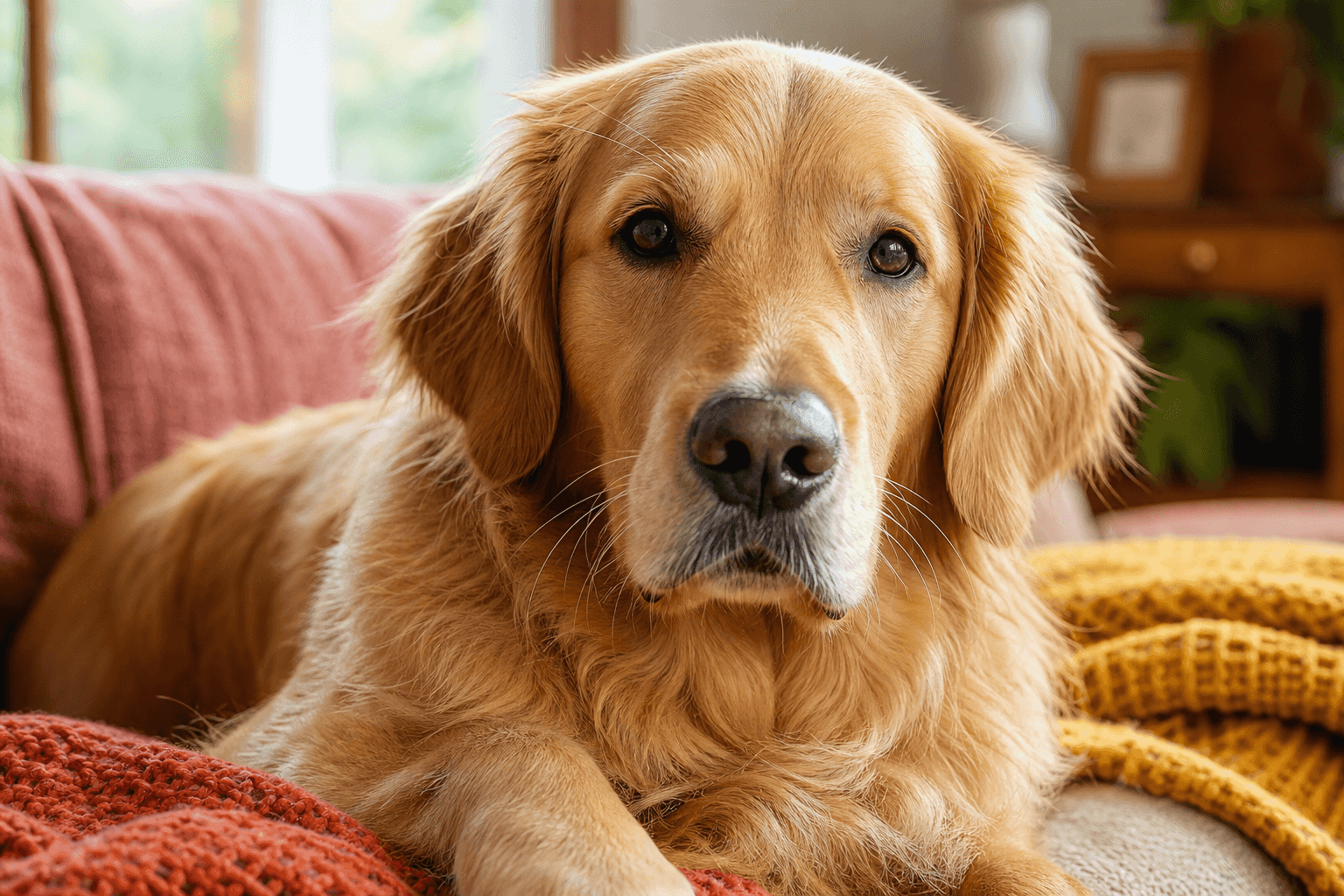
12 Ways to Prevent Boredom in Dogs
Chewed-up shoes. Fresh holes in the yard. Non-stop barking the second you grab your keys.
If that sounds like your dog, take a breath — they're probably not being "bad." They're bored.
And a bored dog is a recipe for trouble. The good news? Fixing it doesn't take fancy gadgets or hours of free time.
Below are the simple, everyday tricks that have worked best for us and the pet parents we've helped — 9 of them, plus a few extras that make each one stick.
First, How Do You Know Your Dog Is Bored?
Boredom rarely announces itself. Instead, it sneaks out sideways — as behavior that looks like "acting out."
Here's the thing: most so-called behavior problems are really energy problems in disguise.
- Chewing furniture, shoes, or baseboards
- Digging holes with no obvious reason
- Barking or whining when nothing is happening
- Pacing back and forth restlessly
- Following you room to room, then getting into things
Spot a few of these? Don't reach for the scolding voice. Reach for one of the fixes below.
Let's start with the one that solves half the battle.
1. Daily Exercise Isn't Optional
There's an old saying for a reason: a tired dog is a good dog.
A brisk walk, a game of fetch, or chasing a toy around the yard burns off the extra energy that would otherwise become mischief.
“A tired dog is a good dog.”
If your dog is pacing, barking for no reason, or gnawing the furniture, that's often the first clue you're under-exercising them.
30–60 min
Minimum daily exercise most dogs need — active breeds need more
But here's a trick most people miss: it's not just about distance.
2. Rotate Toys Like You Rotate Your Wardrobe
Dogs get sick of the same old toys — exactly like we get sick of the same old outfits.
So don't give them everything at once. Keep a stash hidden away and swap a few out every few days.
Suddenly, that ratty squeaky duck is the most exciting thing in the house again.
3. Teach Something New — Even Just for Fun
Training isn't only about obedience. It's mental exercise, and it wears a dog out in the best way.
Teaching a fresh trick like "spin" or "play dead" works their brain and quietly strengthens your bond.
The best part? Even five minutes a day makes a real difference.
The 3 rules of a good training session
- Keep it shortFive to ten minutes is plenty — a bored brain learns nothing.
- Reward generouslyTreats and praise turn learning into a game your dog wants to play.
- End on a winStop before your dog gets frustrated, always on something they nailed.
4. Play Together — and Really Mean It
Nothing beats good old-fashioned playtime.
Tug-of-war, hide-and-seek, or a goofy round of chase through the living room can do wonders.
And on busy days when a long walk just isn't happening, ten focused minutes of play is a lifesaver.
5. Let Your Dog Sniff and Explore
Here's something people underestimate: for a dog, new smells are as thrilling as a new movie is for us.
New places mean new scents and new experiences. Take a car ride to a fresh trail, a different park, or a pet-friendly store.
It doesn't have to be far — it just has to be different.
Got a homebody who'd rather stay in? No problem.
6. Give Them a Social Life (If They Want One)
Some dogs are total social butterflies. A dog park, a playdate with a neighbor's pup, or a group training class gives them the interaction they crave.
But — and this matters — not every dog wants that, and that's perfectly okay.
7. Stick to a Routine
Dogs thrive on predictability.
Regular feeding times, walks, and bedtime help your dog feel secure — and a secure dog is far less likely to act out.
As a bonus, that structure quietly lowers anxiety and makes the whole household calmer.
8. Try Doggy Daycare or a Dog Walker
Gone for long stretches during the day? This one's a game-changer.
Daycare or a hired dog walker breaks up those long empty hours and gives your dog something to look forward to.
We've watched it work wonders for dogs who turn anxious or destructive the moment they're left alone.
9. Don't Forget the Snuggle Time
Sometimes what your dog really wants isn't a toy or a trail.
It's you.
Cuddling on the couch, a slow grooming session, or just lying side by side — that quiet time matters more than it looks.
“It's not 'doing nothing.' It's connection.”
Before you go, a few quick answers.
Frequently Asked Questions
Most dogs need at least 30–60 minutes of activity a day. High-energy and working breeds often need more, while older or smaller dogs may need less. Watch your dog: pacing, barking, and chewing usually mean they need more; a happy, settled dog after a walk means you've hit the mark.
The big four are destructive chewing, unexplained digging, non-stop barking, and restless pacing. If these appear when nothing else is wrong (no pain, no fear, no need to go out), boredom is the most likely culprit.
Absolutely. Sniff games, puzzle toys, and short training sessions can tire a dog as much as a walk. Mental work is fantastic on rainy days or when you're short on time — a five-minute puzzle can buy you a long, quiet afternoon.
It can be either — or both. Try a stuffed Kong or puzzle toy right as you leave and see if it helps. If your dog panics, drools, or destroys things every single time you go, that leans toward separation anxiety, and a trainer or vet can help.
Both work, but variety wins. Two shorter, different walks often beat one long identical loop because new routes add mental stimulation. Mix in play, sniff time, and training so your dog's day isn't just one activity on repeat.
Not at all. A frozen peanut-butter Kong, hidden treats, a game of tug, and a new walking route cost next to nothing. Creativity and consistency beat any pricey gadget.
Quick poll
What's your dog's favorite boredom-buster?