12 things to know before adopting a Bosanski Ostrodlaki Gonic-Barak
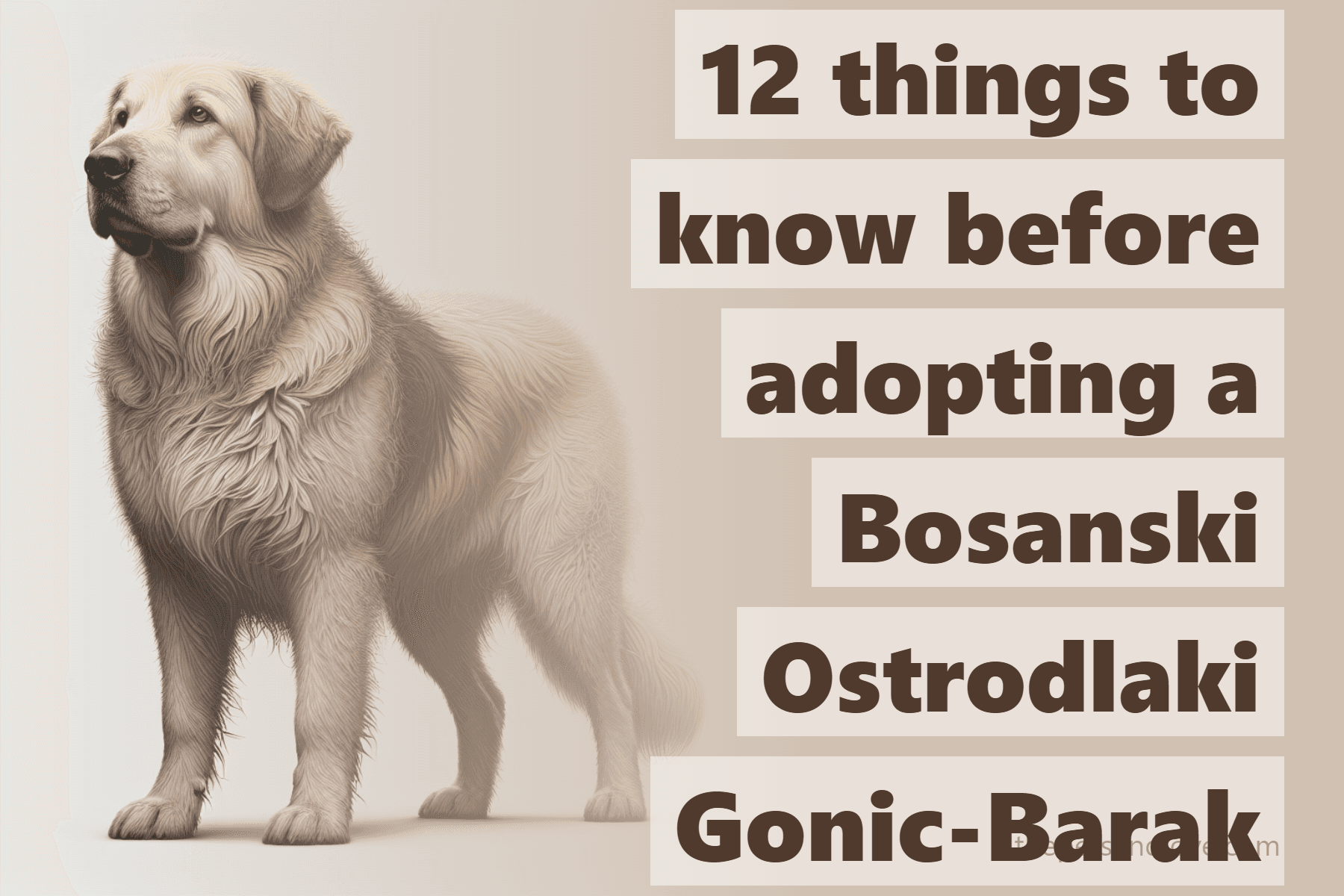
Thinking about bringing home a Bosanski Ostrodlaki Gonic-Barak — the "Barak" or Bosnian Rough-haired Hound? You already sense this isn't your average couch dog.
You're right. These dogs are rugged, beautiful, and bursting with personality — but they come with real demands.
The good news? Knowing what you're signing up for makes all the difference. Here are the 12 things that matter most before you commit.
| Category | Rating |
|---|---|
| Energy Level | |
| Trainability | |
| Grooming | |
| Family Friendly | |
| Beginner Friendly |
1. They're Hunters at Heart
The Barak was bred for tough work: tracking wild boar and deer across the rugged mountains of Bosnia.
That drive hasn't faded. It's baked into who they are.
Here's what that means for you: if something small and furry darts across your path, your Barak will want to chase it — instantly.
2. Daily Exercise Is Non-Negotiable
These dogs are athletic and energetic. A quick stroll around the block simply won't cut it.
They need long walks, hikes, or jogs every single day — plus games that challenge their nose and brain.
So what happens if you skip it? Pent-up energy turns into chewing, digging, and general chaos.
Long daily walks
Aim for real distance and duration, not a five-minute lap of the yard.
Hiking & jogging
This breed thrives on endurance work with a purpose.
Scent games
Hide treats around the yard to tap into their tracking instincts.
Puzzle toys
A tired brain is just as important as tired legs.
A well-exercised Barak still needs one more thing — regular grooming.
3. Grooming: Yes, Regularly
That rough double coat does a fantastic job protecting them from harsh weather.
But it also means weekly brushing — and more during shedding season.
Their coat isn't fussy like a show dog's. Neglect it, though, and you'll be fighting mats and tumbleweeds of fur across your floors.
- Brush at least weekly (more when shedding)
- Trim nails regularly
- Check and clean ears
- Brush teeth for long-term dental health
- Skip grooming until mats appear
4. Smart, but Stubborn
Baraks are intelligent, which makes training possible.
But they're also fiercely independent. They like to think for themselves.
Now, here's where it gets interesting: that same stubbornness served them beautifully in the field, tracking prey without waiting for orders. In your living room, it can test your patience.
“Don't expect blind obedience. These dogs were built to make their own decisions.”
5. Socialization Is a Must
Without early and ongoing socialization, these dogs can grow wary of strangers or reactive toward other animals.
Start young. Then keep it going.
Introduce them to new people, places, sounds, and dogs so they mature into confident, balanced adults.
6. Not Made for Small Spaces
Apartment life just isn't a good fit for this breed.
Baraks do best in homes with a yard or easy access to open spaces where they can move, explore, and burn energy.
The consequence of cramming them into tight quarters? Frustration — and often destruction.
Quick poll
What kind of space do you have for a dog like this?
7. Family-Friendly — With the Right Guidance
With proper training and supervision, Baraks can be loving, playful companions for kids.
They're generally gentle and protective by nature.
But as with any breed, boundaries matter on both sides.
Kids
Good with supervisionTeach children to interact respectfully and always supervise play.
Strangers
Wary without socializationEarly, ongoing exposure keeps them confident rather than reactive.
Small pets
RiskyStrong prey drive means cats and small animals can trigger the chase instinct.
Active households
Great matchThey thrive with families who love the outdoors.
8. They're Vocal and Alert
These dogs have a strong voice — and they're not shy about using it.
A stranger passing by, a squirrel on the fence, a delivery truck — they'll announce it all.
Early training can tone it down. But don't expect a silent dog.
9. Health-Wise, They're Pretty Hardy
There isn't a ton of breed-specific health data out there on the Barak.
That said, the fundamentals still apply — just like any dog.
Keep your Barak healthy
- Schedule regular vet checkupsPreventive care catches issues before they become serious.
- Feed a balanced dietMatch food to their age, size, and high activity level.
- Keep them fitTheir working build stays healthiest when lean and active.
- Stay current on preventivesVaccines, parasite control, and dental care all count.
10. They're Not for Beginners
If this is your first dog, the Barak probably isn't the ideal match.
They need someone who can handle their energy, train with consistency, and provide a structured, active lifestyle.
But here's the flip side: if you've worked with hunting or working breeds before, you may find them incredibly rewarding.
Pros
You'll thrive with a Barak if you...
- Love hiking, jogging, or the outdoors
- Have experience with working or hunting breeds
- Have a yard or open space nearby
- Enjoy training and mental games
- Want a loyal, protective companion
Cons
You may struggle if you...
- Live in a small apartment
- Are away from home for long hours
- Want an easygoing, low-energy dog
- Prefer a naturally quiet breed
- This is your very first dog
Let's clear up the questions new owners ask most.
Frequently Asked Questions
Generally, no. Their high energy, independent streak, and strong prey drive make them a better fit for experienced owners who can commit to daily exercise and consistent training.
A lot. Plan for long daily walks, hikes, or jogs plus mental stimulation like scent games and puzzle toys. A quick block walk is nowhere near enough.
Yes — they are vocal and alert by nature. Early training can reduce excessive barking, but expect a dog that will happily let you know when something is happening.
With proper training and supervision, they can be gentle, playful, and protective companions. Always teach kids to interact respectfully and supervise playtime.
It can be risky. Their strong hunting instinct means small, fast-moving animals may trigger a chase. Careful introductions and early socialization help, but caution is wise.
It is not ideal. They do best in homes with a yard or easy access to open space. Without room to move, pent-up energy often turns into destructive behavior.
For most owners, it is meeting their exercise and mental-stimulation needs every day while managing their independent, prey-driven nature.

Judith Aleguen is a freelance writer, editor, and shelter volunteer who fosters rescue cats and dogs. She turns hands-on experience into practical, easy-to-read pet care guides.
Every guide follows our editorial standards. This article is for informational purposes only and is not a substitute for professional advice — always consult a licensed veterinarian about your pet's health.