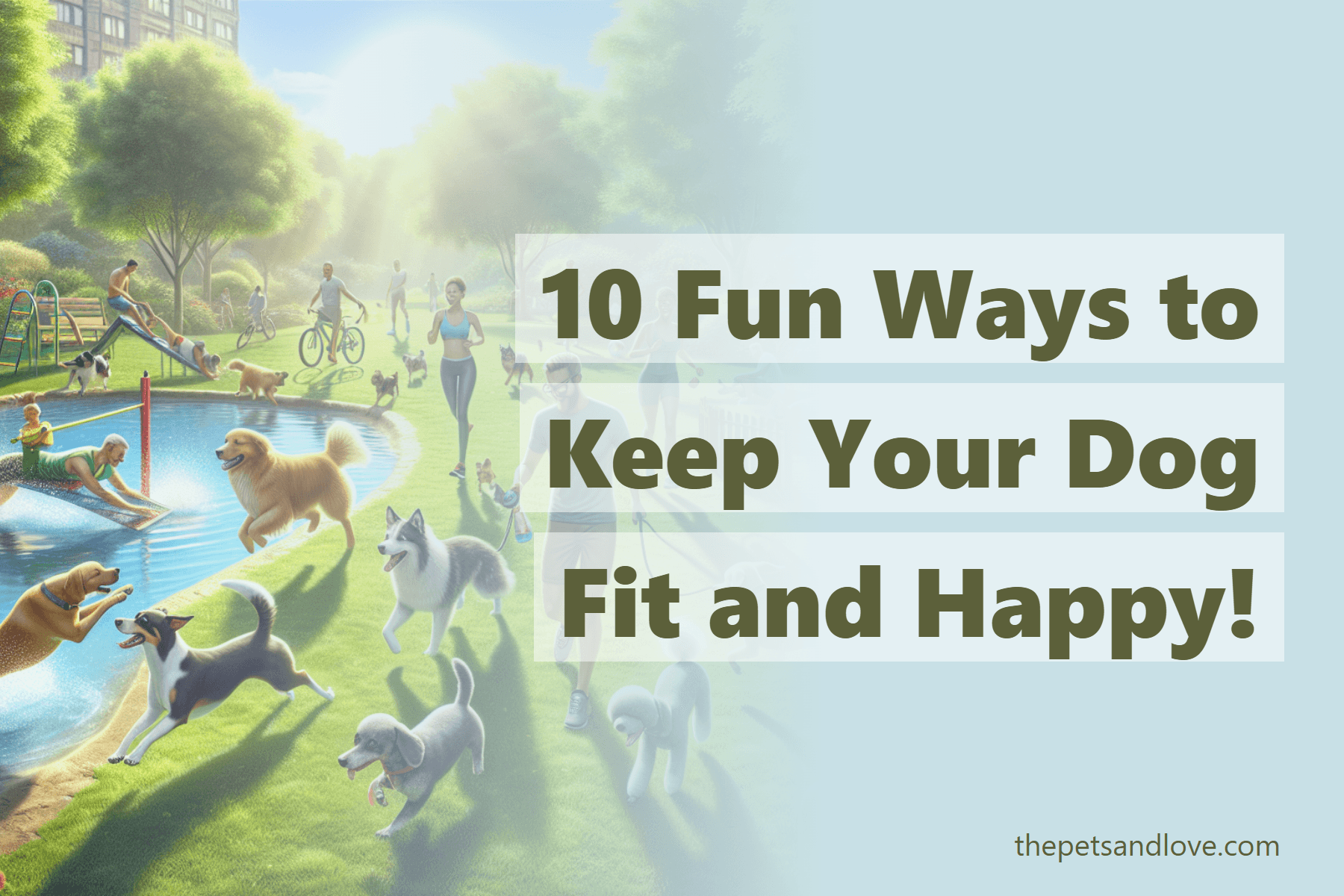
10 Fun Ways to Keep Your Dog Fit and Happy!
Your dog stares at you. You're busy. Sound familiar?
Here's the truth: a bored, under-exercised dog doesn't just get chubby — they get anxious, destructive, and hard to live with.
But keeping your pup fit doesn't require hours you don't have. It just takes the right activities for your dog, your space, and your schedule.
Below are 10 fun ways to burn energy — indoors or out, high-energy herder or laid-back senior. Let's get into it.
Why Exercise Isn't Optional
Exercise isn't a "nice to have" for dogs. It's essential.
It shapes their weight, their mood, their behavior, and their long-term health — all at once.
Here's the part most people miss: a lot of "bad behavior" is really just unspent energy looking for a way out.
“A well-exercised dog is a well-behaved dog — the two go hand in hand.”
Let's start with the classic that never goes out of style.
1. Daily Walks (Yes, They Still Matter)
A walk a day really does keep the vet away.
Even 20 minutes gives your dog a chance to stretch their legs, sniff around, and reset their brain.
And that sniffing? It's not just cute — it's real mental exercise. A good sniff-walk can tire a dog out more than a fast, boring loop.
Match the length to your dog: puppies and seniors do better with shorter, more frequent walks, while active breeds may need longer treks.
2. Fetch (Indoor or Outdoor)
Simple, classic, ruthlessly effective.
A few good rounds of fetch can tire out even the most energetic pup — it's cardio and coordination rolled into one.
Use a ball, a frisbee, or a soft toy if you're playing inside. Just match the toy to your dog's size and chewing habits.
Got a retriever-type? They'll reward you with an endless supply of tail wags.
3. Go for a Run (If Your Dog's Up for It)
Running with your dog can be a blast — but it's genuinely not for every pup.
Check with your vet first, especially if your dog is still growing or has joint issues.
Run smart, not sorry
- Start slowBuild distance gradually so muscles and joints adapt.
- Go hands-freeA waist leash keeps your form steady and your dog secure.
- Beat the heatRun early morning or later evening in summer.
4. Take a Hike
Hiking is one of the best ways to bond with your dog, full stop.
It's low-impact but still a full-body workout — and all those new smells and sights give the brain a workout too.
- Bring plenty of water for both of you
- Take breaks, especially on warm days
- Check the trail’s dog rules before you go
- Assume every trail allows dogs off-leash
If your dog loves water, this next one is a game-changer.
5. Swimming
For a water-loving dog, swimming is one of the best low-impact workouts there is.
It's especially gentle on older dogs and those recovering from injury — the water carries their weight while the muscles still work hard.
Breeds like retrievers and Newfoundlands are often naturals. But here's the catch: not every dog takes to water right away.
6. Dog Parks: Social + Physical Exercise
For dogs who love company, the dog park is hard to beat.
Off-leash zoomies, tug games, and social time can wear them out fast.
But there's a catch: this only works if your dog is comfortable around others and knows basic cues like "come" and "leave it."
Watch body language closely and trust your gut. A great park visit and a stressful one can look similar in the first minute — the difference shows in the details.
7. Try Agility at Home
Agility isn't just for show dogs — you can build a course from stuff you already own.
Broomstick jumps
Rest a broom across two low supports for an easy hurdle.
Chair weaves
Line up chairs and guide your dog to weave through them.
Box tunnels
Open-ended cardboard boxes make an instant tunnel.
Cushion steps
Firm cushions become balance and stepping challenges.
It burns energy and builds confidence — and the teamwork it takes really strengthens your bond.
8. Bike Rides (For Energetic Dogs)
Biking can be a fantastic workout for the right dog — but it takes training first.
Start slow, make sure your dog is comfortable near the bike, and use a proper harness with a hands-free attachment.
Stick to quiet paths and watch closely for signs of fatigue or overheating.
9. Doggy Daycare
When your schedule is packed, daycare can be a genuine lifesaver.
Your pup gets to play, socialize, and burn energy while you're stuck at work.
The trick is choosing the right place — not all facilities are created equal.
- Tour the facility in person before committing
- Check reviews and staff experience
- Confirm it’s clean and well-supervised
- Make sure your dog is up to date on vaccinations
- Book the first cheap place you find online
10. Indoor Games for Rainy Days
Stuck inside? No problem.
You don't need space or fancy gear — just movement and engagement.
Hide and seek
Hide treats or toys around the room and let your dog sniff them out.
Tug-of-war
Great for bonding and building strength on a small footprint.
Mini training sessions
Even 10 minutes of "sit," "stay," or "roll over" is mentally exhausting.
Stair sprints
A quick cardio burst — only if your dog’s joints can handle it.
Indoor fetch
A soft toy down the hallway keeps things safe indoors.
“It doesn't have to be complicated. A bit of movement and engagement goes a long way.”
Quick poll
What's your go-to way to tire out your dog?
Frequently Asked Questions
It depends on age, breed, and health. Many adult dogs do well with 30–60 minutes a day, split into a couple of sessions. High-energy working breeds often need more, while puppies and seniors usually do better with shorter, gentler activity. When in doubt, ask your vet.
Yes. Watch for heavy panting, lagging behind, limping, or refusing to keep going. Growing puppies and dogs with joint issues are especially prone to overdoing it. Build up gradually and always give rest days.
Lean on indoor games: hide and seek, tug-of-war, short training sessions, and indoor fetch with a soft toy. Mental work tires dogs out surprisingly fast, so a rainy stretch doesn’t have to mean a wild, restless pup.
Change the route so there are new smells to explore, let them sniff more instead of rushing, or add a game like fetch or a bit of training along the way. Novelty is a form of mental exercise.
Rarely. Older dogs still need movement to stay mobile and healthy — just gentler and lower-impact. Short walks and swimming are ideal. Check with your vet about the right amount for your dog.
A well-exercised dog usually settles calmly, sleeps well, and isn’t constantly restless or destructive. If your dog is still bouncing off the walls, they likely need more physical or mental activity — or both.